

 Arabic
shop
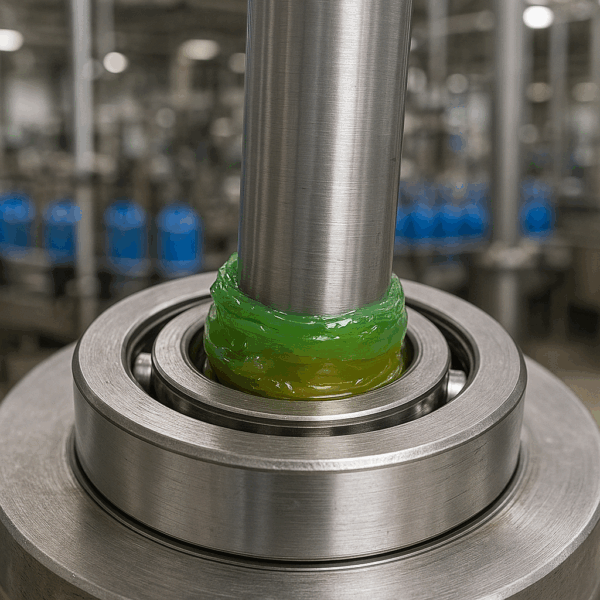
Polyurea Grease
Polyurea Grease is generally manufactured through a controlled chemical process in which suitable organic diisocyanate components react with amines to form a polyurea thickener structure within a selected lubricating base oil. The production process requires controlled temperature, mixing, reaction conditions, and homogenization to obtain the desired thickener structure, consistency, dropping point, mechanical stability, and oil separation characteristics. After the thickener system is formed and the formulation reaches the required condition, performance additives and additional base oil can be incorporated according to the intended application, followed by homogenization, filtration, quality control, and filling. Commercial Polyurea Grease can be supplied as general-purpose industrial grease, electric motor bearing grease, high-temperature grease, high-speed bearing grease, long-life bearing grease, and specialized automotive or machinery grease. Depending on the formulation, the product can offer excellent resistance to heat, oxidation, water washout, corrosion, and mechanical working, while maintaining suitable consistency during prolonged operation. The selection of the appropriate Polyurea Grease grade should consider bearing speed, operating temperature, load, vibration, environmental exposure, relubrication interval, and compatibility with the grease previously used in the equipment.
Polyurea Grease is commonly applied to electric motor bearings, pumps, fans, blowers, conveyors, industrial motors, rolling bearings, machine tools, automotive components, textile machinery, steel equipment, paper manufacturing machinery, and other mechanical systems requiring durable lubrication. High-temperature Polyurea Grease is particularly suitable for equipment exposed to elevated temperatures where conventional greases may oxidize or lose performance more rapidly, while low-noise and high-speed formulations are used in precision bearings and electric motor applications. Depending on customer requirements and formulation, Polyurea Grease can be supplied in NLGI 00, NLGI 0, NLGI 1, NLGI 2, and other consistency grades, although availability depends on the manufacturer and product specification. Commercial packaging commonly includes 400 g cartridges, 500 g or 1 kg containers, 5 kg and 15 kg pails, 16 kg or 18 kg industrial buckets, and larger 50 kg or 180 kg drums for industrial and bulk requirements. Customized packaging, labeling, and container sizes may also be available for wholesale and industrial orders.
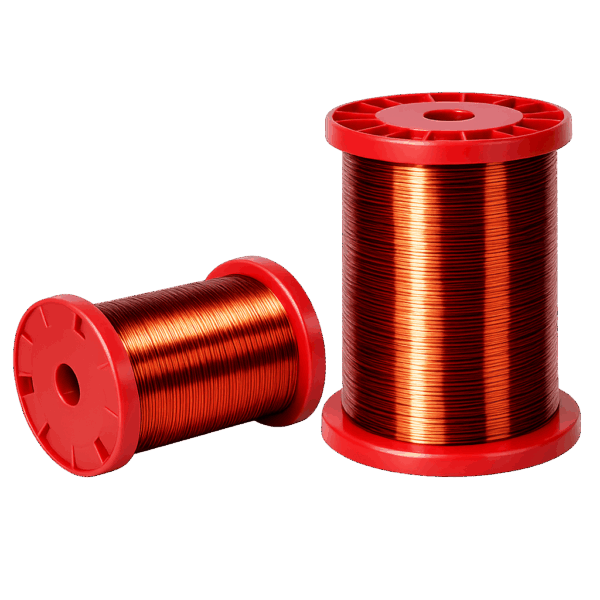
Polyurethane Base Enameled Copper Wire
Manufactured from high-purity electrolytic copper and coated with a high-quality polyurethane enamel, this wire offers outstanding solderability, flexibility, and surface smoothness. One of its key advantages is direct solderability without removing insulation, which significantly reduces production time and cost. Polyurethane enameled copper wire is available in commercial grades conforming to IEC, NEMA, JIS, and other international standards, ensuring compatibility with diverse industrial requirements. The wire is commonly supplied in round cross-sections, with sizes ranging from ultra-fine diameters (starting from approx. 0.02 mm) up to several millimeters, suitable for both precision and general-purpose windings. It is offered in temperature classes 130°C and 155°C, making it ideal for applications requiring moderate thermal resistance. Additional technical features include excellent dielectric strength, good abrasion resistance, uniform enamel thickness, and stable performance under continuous electrical stress.
Polyurethane Base Enameled Copper Wire is widely used in small and medium electric motors, transformers, relays, solenoids, ignition coils, sensors, audio coils, and electronic components where compact design and reliable solder joints are critical. Its superior winding ability allows for tight coil formation and consistent performance in high-speed winding processes. With reliable insulation integrity, low defect rates, and proven long-term stability, this wire is a cost-effective and trusted solution for manufacturers seeking quality, efficiency, and compliance in competitive global markets.
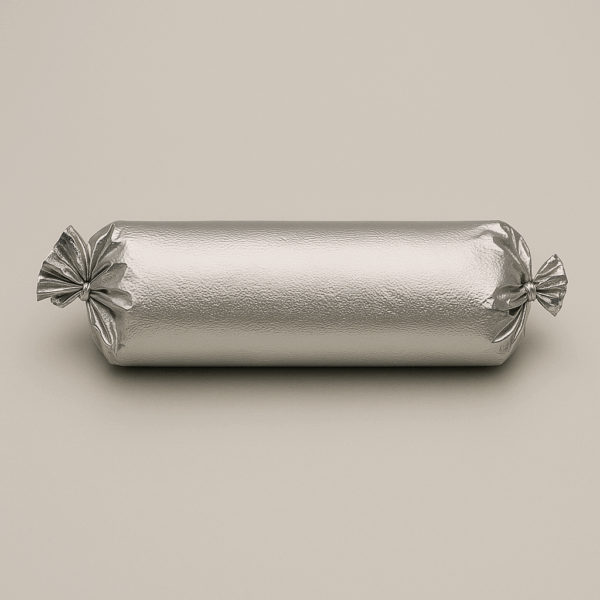
Polyurethane Hot Melt Adhesive
These adhesives are widely used in industries such as automotive, furniture, woodworking, footwear, bookbinding, textile lamination, packaging, electronics and construction due to their excellent adhesion, flexibility and resistance to heat, water and chemicals. Different grades are available based on viscosity, open time, curing speed and substrate compatibility. Common types include low viscosity PUR hot melt, high strength PUR hot melt, moisture curing PUR adhesive, TPU hot melt adhesive and sprayable PUR hot melt. Polyurethane hot melt adhesives can bond various materials including wood, metal, plastics, PVC, fabrics, leather, foam and composite panels.
They are normally supplied in different packaging forms such as cartridges, blocks, bags, pails, drums and aluminum foil sealed packages to protect the adhesive from moisture Their solvent-free formulation, fast setting capability and strong final bonding make them suitable for modern industrial production lines. Polyurethane Hot Melt Adhesives provide excellent mechanical strength, flexibility and long-term durability compared with many conventional hot melt adhesives. The adhesive first creates an initial bond through cooling and then develops higher strength through moisture-induced chemical crosslinking in reactive grades. These materials are especially suitable for applications where strong bonding, vibration resistance and temperature stability are required. In automotive manufacturing, they are used for interior components, panels and lamination processes, while in furniture production they are used for edge bonding and assembly PUR hot melts are also preferred in textile and footwear industries because they maintain flexibility after curing and provide excellent adhesion between different materials. Depending on the production process, manufacturers can select grades with different melting temperatures, curing times and application temperatures.
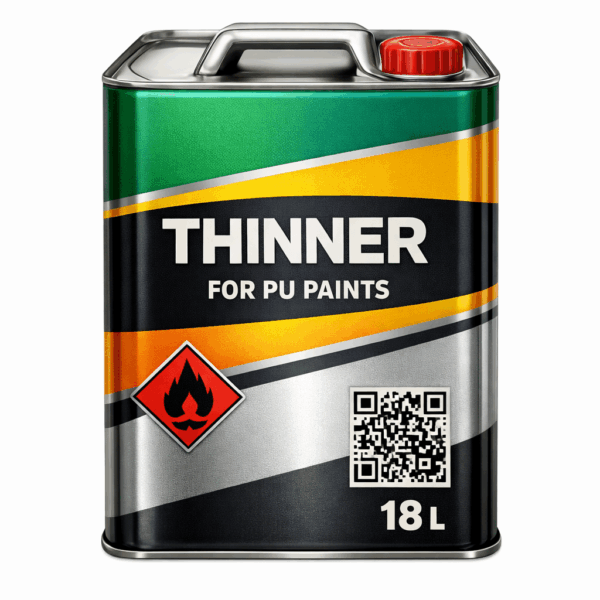
Polyurethane Paint Thinner
Polyurethane paint thinner enhances spray atomization and leveling, resulting in a uniform and defect-free surface. Its controlled evaporation rate allows sufficient working time for proper film formation while ensuring efficient drying. The formulation improves wetting and adhesion on metal, concrete, wood, and previously coated surfaces. It helps reduce common application issues such as sagging, pinholes, and orange peel. Polyurethane paint thinner is compatible with both acrylic and polyester polyurethane coatings, as well as polyurethane primers and top coats. It supports consistent curing and long-term performance of the coating system. Easy blending improves on-site efficiency and application control. The product performs reliably in indoor and outdoor environments. It supports high-gloss, satin, and matte finishes. It meets common industrial quality and performance standards.
Typical applications include thinning polyurethane primers, intermediate coats, and top coats used in industrial, automotive, marine, and architectural projects. Polyurethane paint thinner is widely used on steel structures, machinery, equipment, floors, and protective coating systems. It is suitable for spray, roller, and brush application methods. Proper use improves coverage and reduces material waste. The product supports consistent results in large-scale and high-performance projects. Available in various packaging sizes for commercial and export supply. Polyurethane paint thinner offers an optimal balance of performance and cost efficiency. It remains a trusted solution for achieving high-quality polyurethane finishes.
Polyurethane Paints
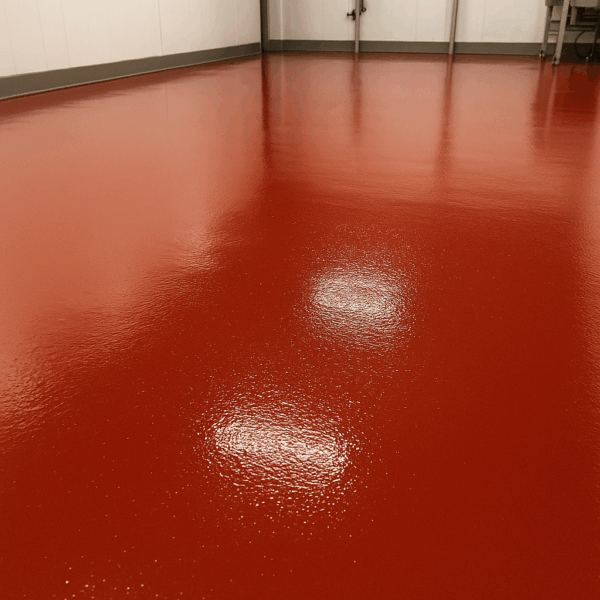
The polyurethane also allows the paint to be formulated to higher gloss levels, offering a beautiful and consistent finish. The higher gloss level also allows improved self-cleaning. Polyurethane finish coats exhibit High gloss colour finishes that resist loss of colour and gloss ,Tough and abrasion-resistant – excellent in areas of high wear , Excellent weatherability –resistant to extremes of UV and weather ,Suitable in a wide range of temperatures – up to around 110°C ,Chemically resistant and is thus inherently resistant to solvent based spray paints.
Polyurethane coatings have been used for many years as the finish coat in industries such as: automotive and commercial transport vehicles, offshore and onshore oil & gas structural steel, vessels, accommodation modules, pipeline externals, retail and commercial architectural and structural steelwork, paneling, furniture, balusters, infrastructure, including bridges and tunnels, and bulk storage tank externals.
Polyurethane Sandwich Panel
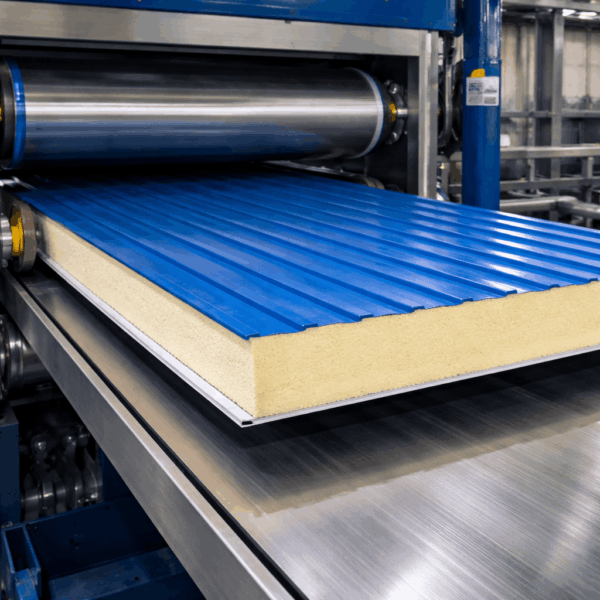
Commercially available types of Polyurethane Sandwich Panels include PU Wall Panels, PU Roof Panels, Cold Room Panels, Fire Resistant PU Panels, and Customized Industrial Panels. PU Wall Sandwich Panels are designed for external and internal walls of factories, warehouses, workshops, and commercial buildings, providing excellent insulation and weather resistance. PU Roof Sandwich Panels are manufactured with special profiles to improve water drainage and structural strength, making them suitable for industrial roofs, hangars, and large-scale buildings. Cold Room PU Panels are produced with higher insulation thicknesses and airtight joints for refrigerated warehouses, food processing facilities, pharmaceutical storage rooms, and temperature-controlled environments. Fire-resistant PU Sandwich Panels are developed with improved safety properties and are used in buildings requiring enhanced fire performance. Available thicknesses commonly range from 30 mm to 200 mm depending on the required thermal insulation level and application.
Polyurethane Sandwich Panels provide significant advantages including high thermal insulation performance, energy saving, moisture resistance, corrosion resistance, fast installation, and long service life. The closed-cell polyurethane foam core provides one of the lowest thermal conductivity values among common insulation materials, reducing heating and cooling costs in buildings. These panels are lightweight but structurally strong, which decreases construction time and reduces the load on building structures. Due to their excellent performance, durability, and attractive appearance, Polyurethane Sandwich Panels are widely exported for use in industrial buildings, food industries, logistics centers, cold chain facilities, clean rooms, agricultural buildings, and commercial construction projects. High-quality manufacturing processes and customizable specifications make PU Sandwich Panels an ideal solution for modern energy-efficient construction
Polyurethane Sealer
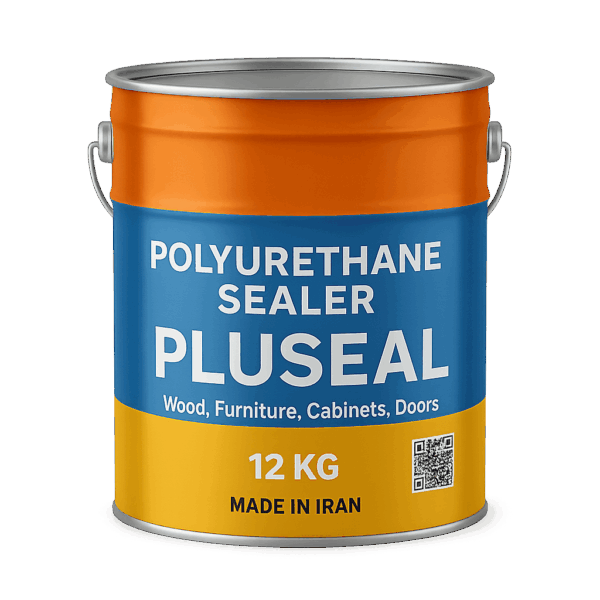
Polyurethane Sealers are available in one-component (moisture-cure) and two-component (polyol + isocyanate) systems, as well as aliphatic, aromatic, solvent-based, and water-based types. Common applications include industrial and decorative concrete floors, metal structures, wood and MDF surfaces, parking decks, balconies, machinery, and protective topcoats over epoxy systems. The main ingredients typically include polyurethane resins, isocyanate hardeners, solvents or water carriers, UV stabilizers, flow additives, and wear-resistant fillers. Key advantages of polyurethane sealers include excellent flexibility, high abrasion and impact resistance, good chemical resistance, UV stability (especially in aliphatic grades), and strong adhesion to multiple substrates.
In terms of performance properties, polyurethane sealers offer low permeability, smooth and glossy or matte finishes, good crack-bridging ability, and long service life even in high-traffic environments. They enhance surface durability while maintaining aesthetic appearance and ease of maintenance. Commercially, polyurethane sealers are supplied in a wide range of industrial packaging options, including 1–5 kg cans, 10–12 kg kits, 20–25 kg pails, 200 kg drums, and bulk IBC containers for large-scale projects. These features make polyurethane sealers a preferred choice for professional users seeking reliable, high-quality sealing and protection solutions.
Polyvinyl Acetate PVAc Glue
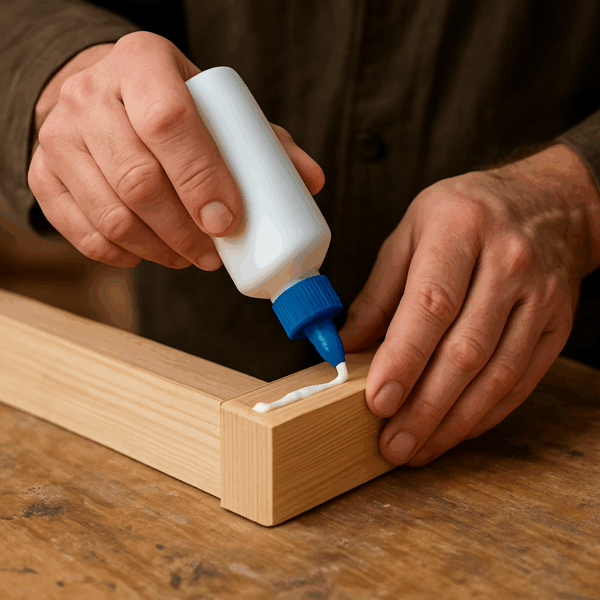
PVAc is a rubbery synthetic polymer that belongs to the polyvinyl esters .It is a type of thermoplastic. Polyvinyl acetate is a component of a widely used glue type, commonly referred to as wood glue, white glue, carpenter’s glue, school glue. When PVAc glue is used properly, the bond will be stronger than the wood itself. It helps keep surfaces bonded without an excess of nails or screws and can prevent gaps from forming.
PVAc-based glues cure in the air, PVAc glue will retain a relatively consistent and predictable cure time and if kept in an airtight container the shelf life is longer than that of polyurethane or other CA glues. PVAc is one of the few wood glues that are completely nontoxic and is a strong glue, at times, even stronger than wood since as it soaks into the wood and bonds it very securely. Its also Suitable for interior and exterior applications that can be used on most substrates due to its excellent adhesion. These include: Timber , MDF boards , Particle boards , Ply woods.
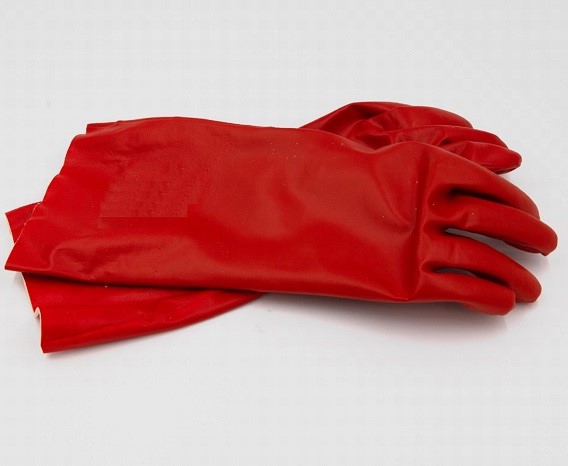
Polyvinyl Alcohol (PVA) Glove
PVA gloves are Recommended For:
- Maintaining lab furniture and equipment.
- Loading and unloading of process equipment.
- Transferring liquids and solids between vessels and tanks and process equipment.
- Cleaning furnaces, distillation pumps, valves or lines and crackers BTX process.
- Unexpected leakages spills or other releases.
Polyvinyl Alcohol Adhesives
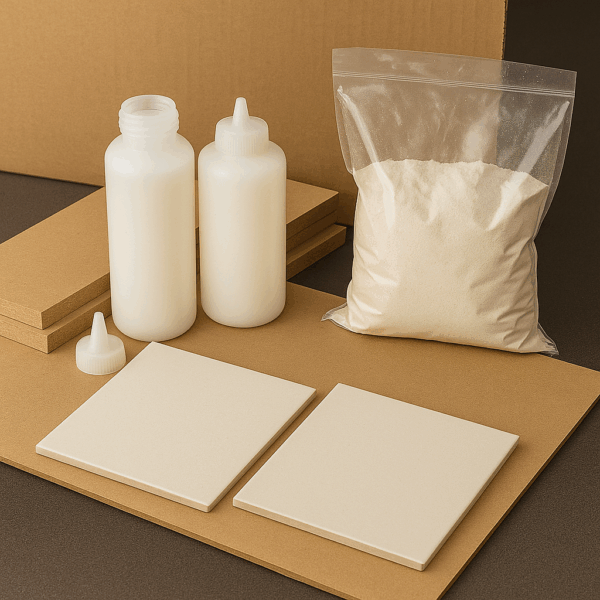
Adhesives based on PVOH show excellent resistance to grease, oils, and solvents. The cured adhesive film is impermeable to most of the gases. Being tasteless, odorless and transparent, PVOH adhesives find maximum applications in the food packaging industry. Polyvinyl alcohol resins are Non-toxic and biodegradable, that make them an excellent choice in food packaging. PVOH adhesives wet out fast to grab and bond quickly. Often used in the manufacturing of composite cans, tube winding, corrugated board and corner guards for boxes, It is widely used in building wallpaper or ceramic board adhesion, can also be mixed into the cement mortar, to improve the adhesion of mortar.
polyvinyl alcohol has exceptional film forming, emulsifying and bonding properties. More economical and easier to use than dextrin and other synthetics found in some paperboard manufacturing. Polyvinyl Alcohol (PVA) liquid 15 % in demineralized water can be used for modification of dispersion glues, manufacture of paper glues and glues which can be remoistened. Protective gel for the emulsion polymerization, raw material for finishing and textile glaze, binding agent for the surface processing of paper. The main uses are in the paper, adhesive, textile and construction industries, as well as in ceramics, packaging and electronics. The physical and chemical properties make PVOH very versatile. It features water-solubility, excellent film forming characteristics, high tensile strength and elasticity, as well as resistance against organic solvents and dispersing power.
Polyvinyl Chloride
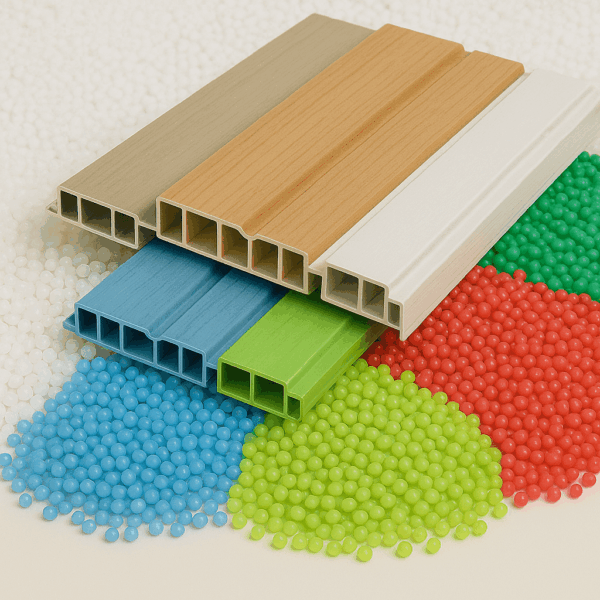
Polyvinyl chloride is a white, brittle solid available in powder form or granules. It is insoluble in all solvents but swells in the monomer and some chlorinated hydrocarbon solvents. Polyvinyl Chloride is widely available in two broad categories: Flexible and Rigid. But there are more types also available like CPVC, PVC-O and PVC-M. Plasticized or Flexible PVC (Density: 1.1-1.35 g/cm3): Flexible PVC is formed by the addition of compatible plasticizers to PVC which lower the crystallinity. These plasticizers act like lubricants resulting in a much clearer and flexible plastic. This type of PVC is sometimes called as PVC-P. It is used in plumbing, electrical cable insulation, flooring, signage, phonograph records, inflatable products. Unplasticized or Rigid PVC (Density: 1.3-1.45 g/cm3): Rigid PVC is a stiff and cost-effective plastic. It shows high resistance to impact, water, weather, chemicals and corrosive environments. This type of PVC is also known as UPVC, PVC-U or uPVC. Rigid PVC is used in construction for pipe, doors and windows. It is also used in making plastic bottles, packaging, and bank or membership cards and so many others .
Chlorinated Polyvinyl Chloride or perchlorovinyl: It is prepared by chlorination of PVC resin. High chlorine content imparts high durability, chemical stability and flame retardancy. CPVC can withstand a wider range of temperatures. Pipes , moldings , and sheets are formulated for high-temperature use based on CPVC or blends of CPVC and PVC.
Pomegranate
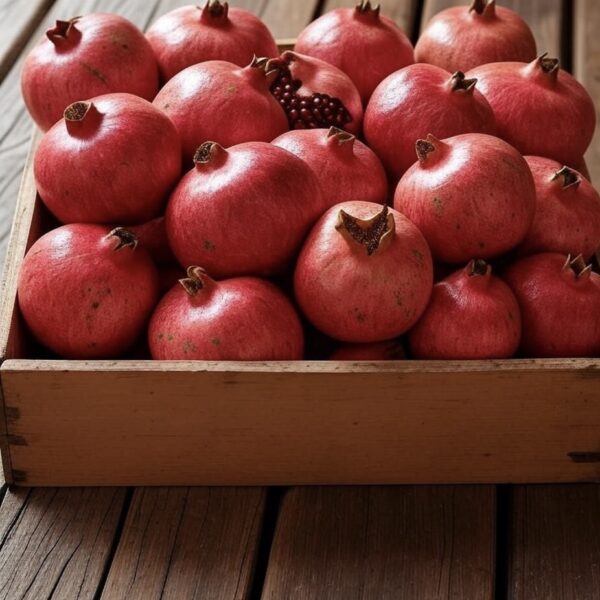
Typically Pomegranate grows well in the Northern hemisphere from September to February
The number of seeds in a pomegranate can vary from 200 to about 1,400. The pomegranate is known as the miracle of natural foods because of its astounding shape of the fruit.
The regions of Saveh, Neyriz, Ferdows, Kashan and Bajestan are the main regions that produce pomegranates in Iran.
Saveh pomegranates have the highest Brix degree ( the sugar, sucrose, or water-soluble content on a percent by weight basis) among other varieties.
The edible portion of raw pomegranate is 78% water, 19% carbohydrates, 2% protein, and 1% fat A 100 g (3.5 oz) serving of pomegranate sarcotesta provides 12% of the Daily Value (DV) for vitamin C, 16% DV for vitamin K, and 10% DV for folate , while the seeds are a rich source of dietary fiber (20% DV).