

 Arabic
shop
Pig Iron
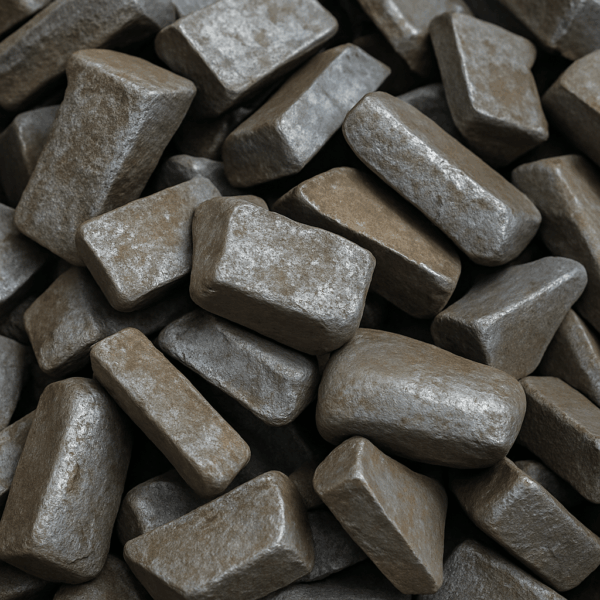
Pig Iron grades are classified according to their chemical composition, especially carbon, silicon, manganese, phosphorus, and sulfur content. The main types include Foundry Grade Pig Iron, commonly used for manufacturing gray cast iron and ductile iron components; Steelmaking Grade Pig Iron, used as a charging material in basic oxygen furnaces and electric arc furnaces for steel production; and High Purity Pig Iron, preferred for specialized foundry applications requiring low levels of impurities. Pig Iron is widely applied in automotive parts, machinery components, pipes, construction equipment, industrial castings, heavy engineering products, and steel production processes due to its reliable performance and cost efficiency.
The main advantages of Pig Iron include stable quality, high melting efficiency, excellent castability, reduced production costs, and compatibility with modern metallurgical processes. With controlled specifications and reliable supply capability, Pig Iron remains an essential material for foundries, steel mills, and metal processing industries worldwide. Pig Iron is supplied in standard ingot form and is commercially available in different sizes and weights according to customer requirements. It is commonly packed and transported using bulk shipment methods, steel pallets, containers, or specially arranged industrial packaging to ensure safe handling during international trade.
Plain Yogurt
With options such as Greek yogurt, drinkable yogurt, and plant-based alternatives, businesses can choose the type of yogurt that best suits their menu offerings and customer preferences.
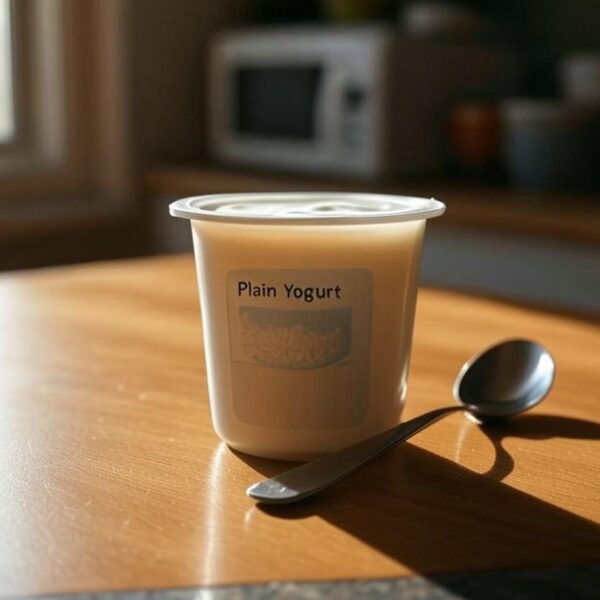
Plain yogurt, also known as unstrained cow’s milk yogurt or dairy yogurt, is made by fermenting milk with live bacterial cultures, resulting in a creamy and tangy food product. One of the defining features of plain yogurt is the use of specific strains of bacteria, such as Lactobacillus bulgaricus and Streptococcus thermophilus, in the fermentation process. These bacteria help break down the lactose in milk. They also give traditional yogurt a rich probiotic content which promotes gut health. Regular yogurt can be enjoyed plain or flavored with fruits, honey, or toppings like granola, chocolate, nuts, and shredded coconut.
Plastic & Rubber Grade Barite Powder
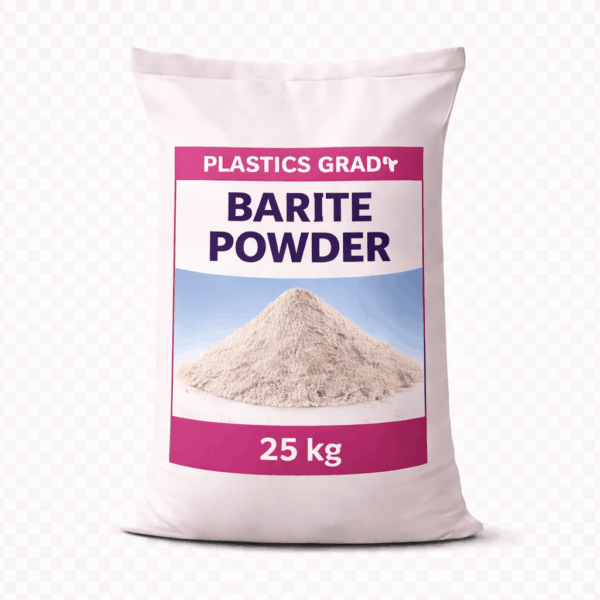
Commercial plastic and rubber grade barite is available in several grades and varieties, including Standard Polymer Grade Barite, High-Whiteness Barite, Low-Oil-Absorption Barite, and Micronized Barite, classified according to purity, brightness, and particle size distribution. These grades are designed to meet the specific requirements of different polymer systems. This grade of barite powder is widely used in PVC compounds, masterbatches, rubber sheets, hoses, cables, footwear, automotive parts, sealing materials, and molded plastic products. It increases product density, improves dimensional stability, enhances surface finish, and reduces formulation costs without compromising mechanical or chemical resistance.
Key properties include high specific gravity, excellent chemical resistance, low moisture absorption, good thermal stability, and compatibility with most resins and elastomers. Commercial particle sizes are commonly supplied as 200 mesh and 325 mesh, as well as micronized grades from 2 to 10 µm for high-performance plastic and rubber applications. Plastic & rubber grade barite powder is packaged in 25 kg and 50 kg bags, 1-ton jumbo bags, or bulk supply, providing manufacturers with a reliable, economical, and versatile mineral filler solution for polymer and rubber production.
Plastic Bottle Cap
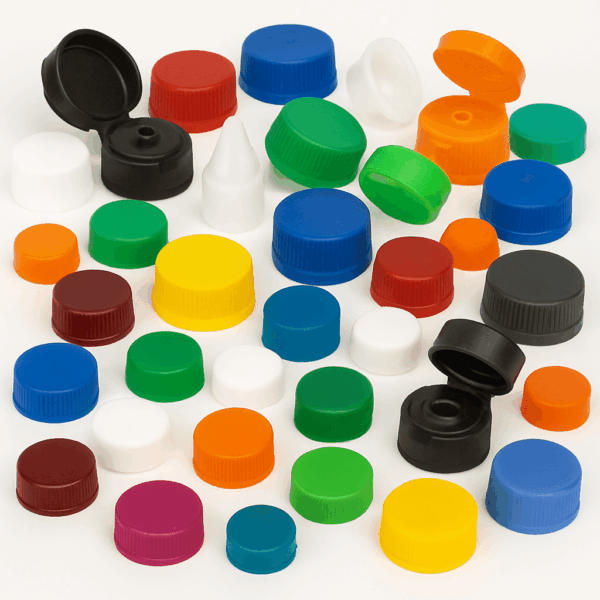
There are multiple types of plastic bottle can be supplied based on their design and applications such as :
screw cap , Continuous Thread , Vented Caps, Dome Caps, Ratchet Caps , Beverage Caps, Poly Cone Caps, Spice Caps , Flapper Caps , Side Pour Caps, Snap Top Caps, Turret Caps, Spout Caps, disc top cap, flip top cap, bottle over the cap, twist top cap, push/pull cap, nozzle pull top cap, double button disc top cap, double-twisting locking cap for pharmaceutical products, dosing bottle cap, Dropper tip style cap , Ribbed Turret Dispensing PP Plastic Cap-Pour Spout, Ball type cap, Ribbed flip top cap…
The supplied caps have good strength and toughness, elasticity , flexibility to withstand forces of pressure , and they are high impact resistance and durable . and also have very high Insulation properties such as firm sealing and leakproof, resistance to moisture, water vapor, gas, light, odor and heat
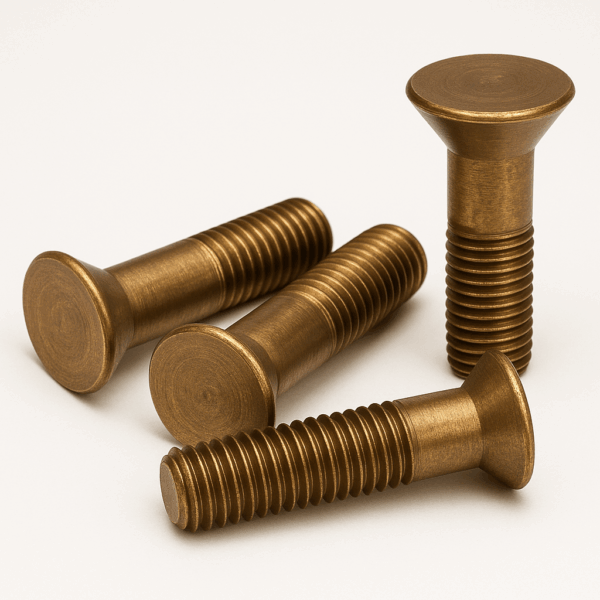
Plow Bolt
Plow bolts commonly have a square neck, to stop the bolt from rotating as it is being tightened, and a flat head, where the head of the fastener is subjected to excessive amounts of wear. These fasteners are frequently used in farm machinery, heavy machinery for building roads, and other equipment.
A plow bolt is a specialized fastener designed with a low-profile, countersunk head and a square neck. This unique design allows the bolt to sit flush with the surface, preventing snagging and ensuring a smooth, low-profile connection. The square neck prevents the bolt from turning when the nut is tightened. Plow bolts are primarily used in heavy-duty applications where a secure, flush connection is crucial, such as in plows, bulldozers, and other construction and agricultural equipment.
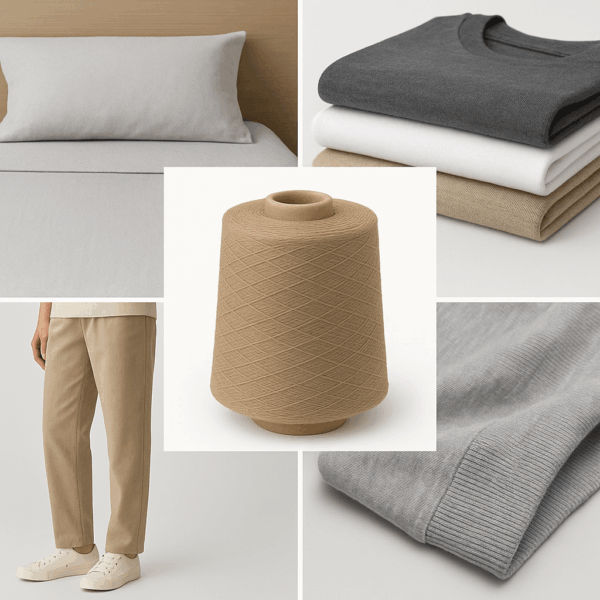
Poly Cotton, Cotton-Polyester Blend Yarn
Cotton-polyester blended yarn maintains the characteristics of high strength, good elasticity, and good recovery of polyester fiber, and has the characteristics of strong hygroscopicity of cotton fiber. No need to iron, easy to dye and dry after washing. Cotton polyester Blended yarn is also widely used and can be used to make socks, which not only reduces the cost, but also ensures the quality of the product. It can also be used to make men’s and women’s shirts, fine plain cloth, etc.
- Composition:65/35 70/30 80/20 90/10
- Count: Ne 6- Ne60
- Technical: ring Spun, open end, carded and combed
Polyester/Cotton Yarns for the end use of weaving and knitting, Different blends are possible 52/48 Polyester/cotton, 50/50 Polyester/cotton, 65/35 Polyester/cotton, 40/60 Polyester/cotton (CVC). Single or multifold is also possible.
End Use of Poly Cotton Yarn:
- Weaving
- Knitting
- Specialized Fleece Knitting yarn is also available in counts Ne 10s, Ne 12s, Ne 14s, Ne 16s

Polyaluminum chloride
Its efficient action over a wide pH range makes it an ideal solution for municipal, industrial, and potable water applications requiring reliable and cost-effective clarification. Polyaluminum Chloride is available in both liquid and powder forms with different Al₂O₃ contents and basicity levels to meet diverse operational needs. Typical Al₂O₃ percentages range from 8%–12% for liquid PAC and 10%–18% for powder grades, with basicity commonly between 40% and 70%. Powder PAC usually appears yellow to orange, while high-purity grades may be light yellow or white. PAC is composed of polymerized aluminum species, chloride ions, and controlled amounts of hydroxyl groups, providing excellent charge neutralization and bridging ability. Its main applications include drinking water treatment, wastewater and sewage treatment, industrial effluent clarification, paper and pulp processing, textile wastewater treatment, and food-processing wash water systems.
Polyaluminum Chloride is supplied in a variety of commercial packages such as 25 kg and 50 kg bags, jumbo bags (500–1000 kg), plastic drums, IBC tanks, and bulk tanker deliveries for liquid grades. Special specifications including low-iron, high-basicity, and potable-water-approved grades are available upon request. With advantages such as lower dosage requirements, reduced sludge generation, minimal pH impact, and excellent storage stability, PAC remains a preferred coagulant for industries seeking efficient, compliant, and high-quality water treatment solutions.
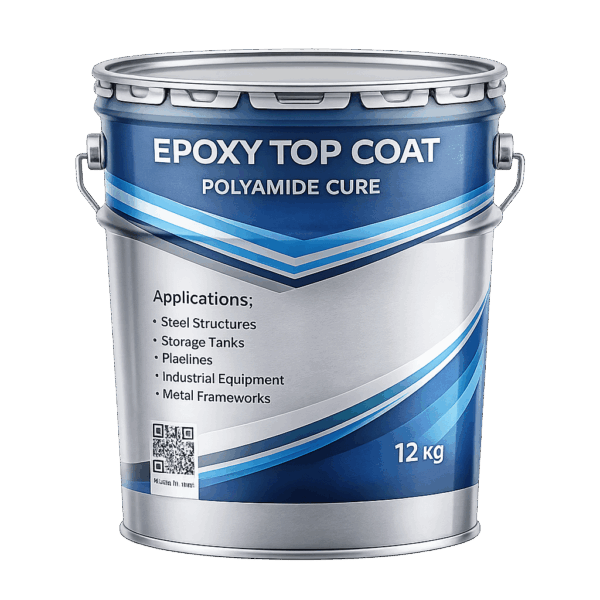
Polyamide Cure Epoxy Top Coat
Polyamide cure epoxy top coats are available in standard, high-build, MIO-filled, and marine-grade formulations, depending on environmental exposure and project requirements. Typical applications include structural steel, offshore platforms, oil & gas facilities, storage tanks, pipelines, ships and marine equipment, industrial machinery, and concrete structures. Key specifications include excellent adhesion to epoxy primers and interlayers, good resistance to seawater, oils, fuels, and mild chemicals, and superior flexibility compared to polyamine-cured systems. These coatings can be applied by airless spray, roller, or brush and are well suited for on-site and workshop application.
Polyamide cure epoxy top coats are supplied as two-component systems (epoxy base + polyamide hardener) in standard industrial packaging such as 12 kg and 20–25 kg metal pails, as well as 200 kg drums and bulk containers for large projects. Export packaging is palletized, shrink-wrapped, and labeled to meet international shipping requirements. Polyamide cure epoxy top coats are a preferred solution for marine, offshore, and heavy-duty industrial coating systems requiring flexibility, durability, and long service life.
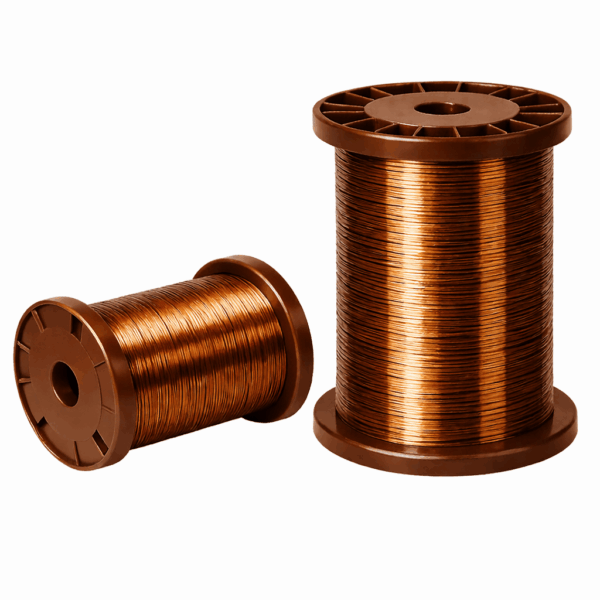
Polyamide-Imide Base Enameled Copper Wire
Manufactured from high-purity electrolytic copper and coated with advanced polyamide-imide enamel, this wire provides outstanding resistance to heat, abrasion, chemicals, and thermal aging. It is available in commercial grades meeting IEC, NEMA, JIS, and GB standards, ensuring consistent quality and global compatibility. Polyamide-imide enameled copper wire is supplied mainly in round cross-sections, with sizes ranging from fine diameters around 0.04 mm up to heavy gauges for high-power windings. It is commonly offered in temperature classes 200°C and 220°C, suitable for continuous operation under extreme thermal stress. Key technical features include very high dielectric strength, superior cut-through resistance, excellent flexibility for tight winding, strong bonding capability, and reliable performance in high-speed automated winding processes.
Polyamide-Imide Base Enameled Copper Wire is widely used in traction motors, industrial motors, generators, transformers, compressors, automotive and EV motors, aerospace equipment, and oil-filled or harsh-environment electrical systems. It is especially suitable for applications requiring maximum thermal endurance and long service life under severe operating conditions. With its proven performance, high efficiency, and exceptional durability, this enameled copper wire offers a dependable solution for manufacturers targeting advanced industrial, automotive, and high-temperature electrical markets worldwide.
Polyamine Epoxy Top Coat
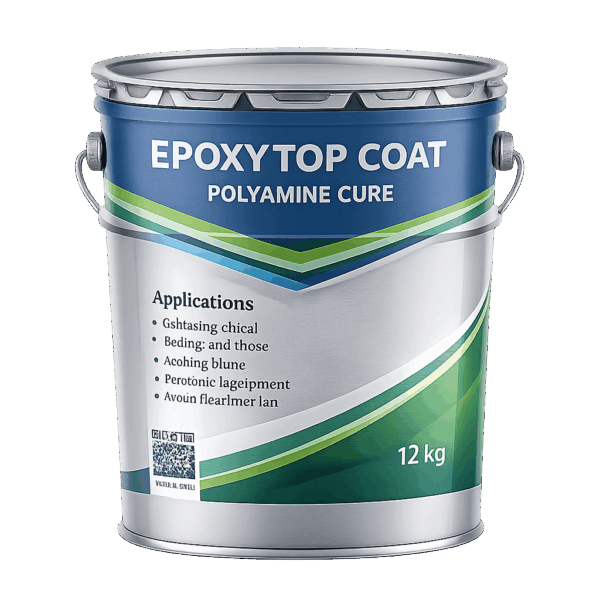
Polyamine epoxy topcoats are available in standard build, high-build, chemical-resistant, and water-resistant grades, depending on service conditions. They are commonly applied on structural steel, storage tanks, pipelines, industrial equipment, offshore and marine structures, power plants, and concrete floors. Typical specifications include high adhesion strength, good hardness development, resistance to water, oils, fuels, and many chemicals, and suitability for application in ambient and low-temperature conditions. These coatings can be applied by airless spray, roller, or brush and are fully compatible with epoxy primers and epoxy or polyurethane interlayers.
Polyamine cure epoxy topcoats are supplied as two-component systems (epoxy base + polyamine hardener) in 12 kg and 20–25 kg metal pails, as well as 200 kg drums and bulk packaging for large industrial projects. Export packages are palletized, shrink-wrapped, and labeled according to international standards. Polyamine cure epoxy topcoats are a reliable solution for projects requiring fast curing, strong chemical resistance, and long-term corrosion protection in demanding industrial environments.
Polybutadiene Rubber
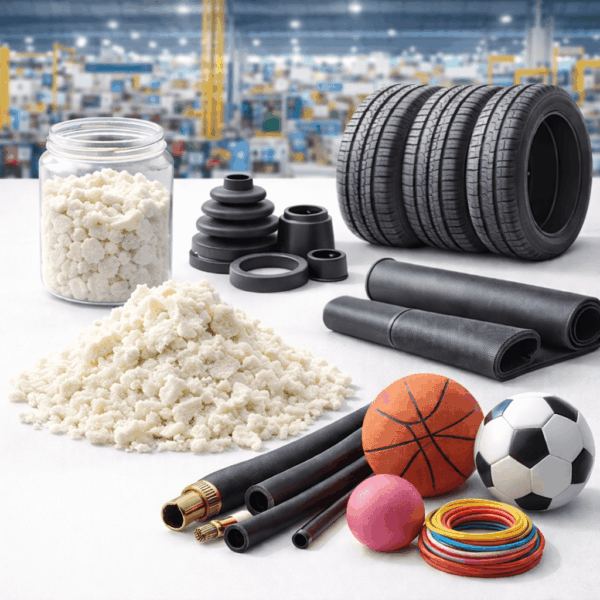
Polybutadiene Rubber is manufactured through solution or emulsion polymerization processes using advanced catalyst systems such as nickel, cobalt, lithium, or neodymium catalysts. During production, butadiene molecules are polymerized under controlled temperature and pressure conditions to achieve the desired molecular weight, microstructure, and performance characteristics. After polymerization, the rubber undergoes finishing processes including coagulation, drying, filtration, and baling to obtain a consistent industrial-grade product. Different commercial grades are designed for specific applications; High Cis BR is mainly used in passenger car tires, truck tires, racing tires, and tire sidewalls due to its excellent elasticity and wear resistance. High Vinyl BR is used in rubber blends, footwear soles, impact-resistant polystyrene modification, and specialty elastomer applications. Solution BR grades are preferred for advanced tire compounds, conveyor belts, industrial rubber products, and high-performance mechanical goods.
Polybutadiene Rubber offers outstanding advantages including superior abrasion resistance, excellent rebound elasticity, low rolling resistance, high resilience, good resistance to flex cracking, and improved durability in dynamic applications. It is widely used in tire tread compounds, rubber hoses, conveyor belts, footwear soles, golf ball cores, automotive components, seals, gaskets, vibration isolation products, and plastic modification industries. The main specifications of Polybutadiene Rubber include cis-1,4 content, vinyl content, Mooney viscosity, ash content, volatile matter, and molecular weight distribution, which determine processing behavior and final product performance. Due to its excellent mechanical properties and compatibility with natural rubber and styrene-butadiene rubber (SBR), Polybutadiene Rubber is an essential raw material for manufacturers producing high-quality rubber products for automotive, transportation, construction, and industrial markets worldwide.
Polycarbonates
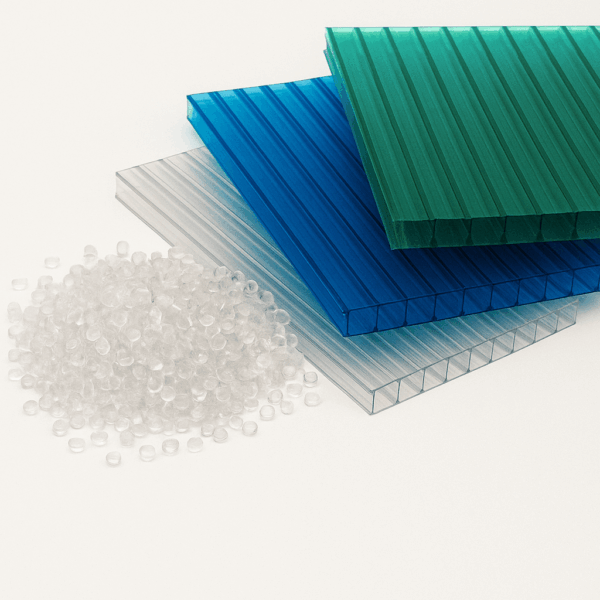
Polycarbonate injection molding grades are commonly used for producing complex industrial parts, housings, connectors, electronic components, and automotive interior and exterior components due to their excellent flow properties and high impact strength. Extrusion grades are designed for manufacturing sheets, profiles, films, tubes, and glazing systems, while optical grades provide high transparency and light transmission for applications such as lenses, safety shields, and lighting covers. Flame retardant Polycarbonate grades are widely used in electrical and electronic industries where fire safety and insulation performance are required. UV stabilized Polycarbonate grades are suitable for outdoor applications including roofing sheets, architectural glazing, greenhouse panels, and protective covers because of their resistance to weathering and sunlight exposure. Reinforced Polycarbonate grades containing glass fiber provide improved stiffness, heat resistance, and dimensional stability for engineering applications.
Polycarbonate offers numerous advantages including outstanding impact resistance, high temperature performance, low moisture absorption, excellent electrical insulation, lightweight structure, and long service life. This material is available in different melt flow rates, colors, transparency levels, and customized formulations according to customer requirements. Polycarbonate resin is commercially supplied in pellet form and is commonly packed in moisture-resistant bags such as 25 kg bags, jumbo bags, and bulk packaging for large-scale industrial consumers. With its combination of mechanical strength, transparency, chemical resistance, and processing flexibility, Polycarbonate remains a preferred choice for manufacturers in automotive, electronics, construction, medical equipment, packaging, and industrial sectors worldwide.