

 Arabic
shop
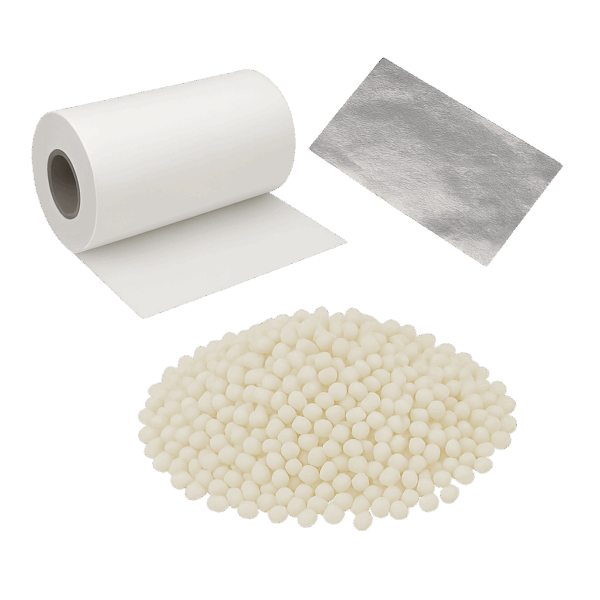
PE Compounds For Extrusion Coating & Lamination
These PE compounds offer significant advantages including outstanding moisture barrier performance, excellent chemical resistance, strong hot-tack strength, and high adhesion to substrates such as paper, aluminum foil, BOPP, PET, woven fabrics, and nonwovens. Their controlled melt viscosity allows precise coating accuracy, minimal gel formation, and improved mechanical integrity across multilayer structures. PE Compounds for Extrusion Coating & Lamination are widely used in food packaging, beverage cartons, medical packaging, flexible laminates, woven sack lamination, industrial wrapping films, hygiene products, agricultural covers, and barrier packaging.
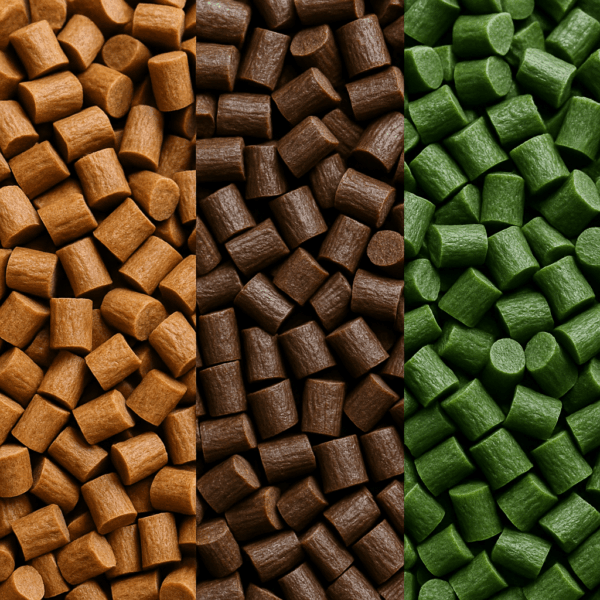
PE Base Wood-Plastic Compound (WPC)
WPC Compounds offer outstanding resistance to moisture, UV degradation, insects, chemicals, and rotting—significantly outperforming traditional wood. The PE matrix provides excellent impact resistance, flexibility, and long-term durability, while surface modifiers improve scratch resistance, weatherability, and surface texture. Their low water absorption and superior thermal stability allow WPC products to withstand extreme environments without warping, cracking, or fading. With optimized melt flow characteristics and uniform dispersion of wood particles, WPC compounds ensure smooth extrusion, consistent color distribution and reliable processing on both single-screw and twin-screw extrusion lines.
PE-Base Wood-Plastic Compounds that comply with ASTM, EN, and ISO performance standards, are used in decking boards, wall claddings, fencing systems, pergolas, garden furniture, railing profiles, door frames, outdoor flooring, acoustic panels, pallets, and structural profiles. Some available types of WPC Compounds include HDPE-based WPC, LDPE-based WPC, co-extrusion-grade WPC, high-wood-content composite, UV-stabilized outdoor grades, fire-retardant WPC, color-integrated WPC compounds, foamed WPC formulations, and recycled-content WPC compounds. Each formulation is tailored for specific processing technologies such as extrusion, injection molding, or co-extrusion capping.
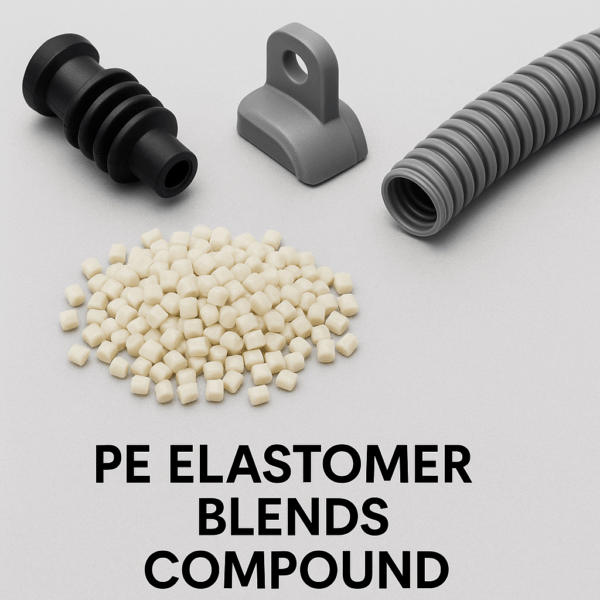
PE Elastomer Blends Compound (POE/POP modified)
These elastomer-modified PE compounds offer excellent advantages, including enhanced toughness, superior elongation, excellent tear resistance, and long-term environmental stress-crack resistance (ESCR). The blends exhibit low hardness levels, excellent sealing properties, and vibration-absorption characteristics, making them ideal for applications requiring improved shock absorption or soft-touch performance. Their excellent compatibility with color masterbatches and additives ensures uniform appearance and consistent product quality.PE Elastomer Blends Compounds are widely used in automotive soft parts, flexible pipes, wire & cable insulation, gaskets, packaging seals, flexible films, vibration dampers, sporting goods, medical tubing, soft-touch handles, baby products, and industrial cushioning components.
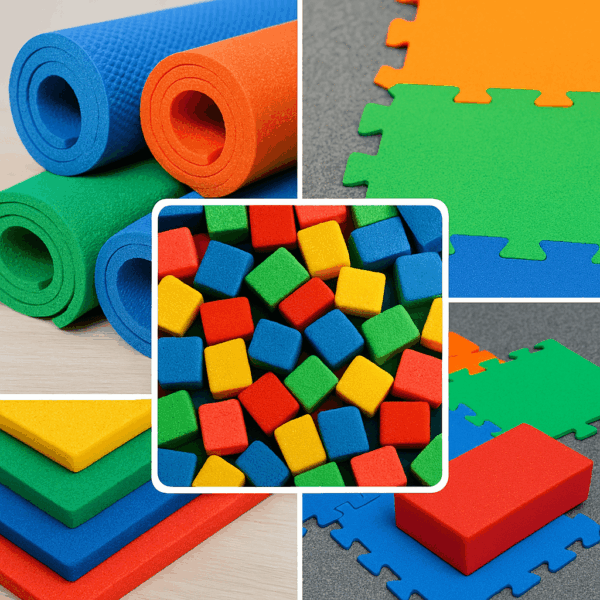
PE Foam Compounds (EPE)
PE Foam Compounds deliver a unique combination of low weight, excellent cushioning, thermal insulation, and energy absorption. Their tailored rheology supports smooth processing, consistent foam formation, and reliable performance in both high- and low-density foam systems. PE Foam Compounds provide superior flexibility, high recovery rate, impact resistance, and strong chemical resistance against oils, detergents, and most household and industrial chemicals. Their closed-cell structure ensures outstanding water resistance, buoyancy, and thermal insulation. They also exhibit strong weatherability and dimensional stability even under mechanical stress or fluctuating temperatures.
PE foam is widely used in packaging materials, sports and leisure products, automotive interior pads, construction insulation sheets, underlay flooring, pipe insulation, protective corner pads, medical supports, refrigeration insulation, agricultural sheets, and noise-reduction applications. Available types include LDPE foam compounds, MDPE foam grades, XLPE (cross-linked) foam compounds, EVA/PE blend foam compounds, chemical-foaming grades, physical-foaming PE, white & colored foam compounds, anti-static PE foam compounds, fire-retardant foam grades, and high-elasticity soft foam formulations.
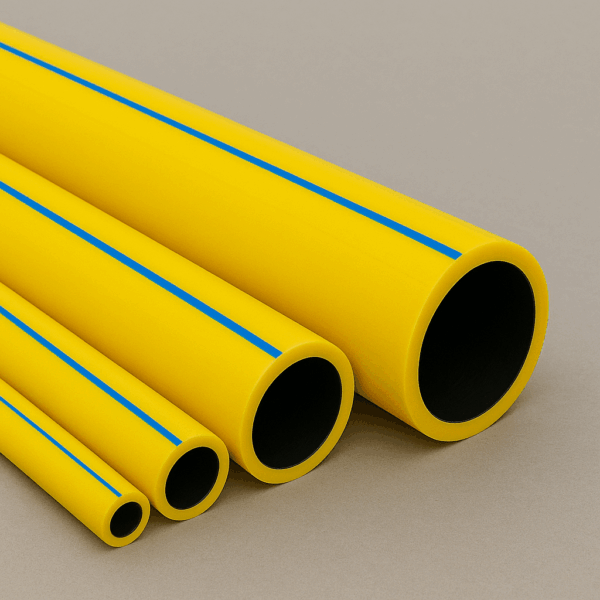
PE Gas Pipe
Available HDPE Natural Gas Pipes are produced within Ø20 – 1200 mm range in shape of tube coil and length pipes . It is an ideal solution for temporary installations or for the making of pipelines that need continuous displacement. HDPE gas pipe is suitable for outdoor gas transportation and distribution. The working temperature is between -20 °C and 40 °C, HDPE is an inert material that is resistant to various chemical media.
- The Pressure Rating: PE:80: SDR11- PN 4 bar, SDR17-PN 2 bar; PE100: SDR11- PN 10 bar, SDR17-PN 6 bar.
- Raw Materials: PE80, PE100.
These HDPE pipe is connected by electro fusion and its interface strength is higher than that of the pipe itself. The elongation at break of HDPE pipes is generally above 500%. For the uneven settlement of the foundation engineering construction, its adaptability is very strong and the seismic performance is good. These pipes have Excellent resistance to rapid crack propagation (RCP) and very good flexibility
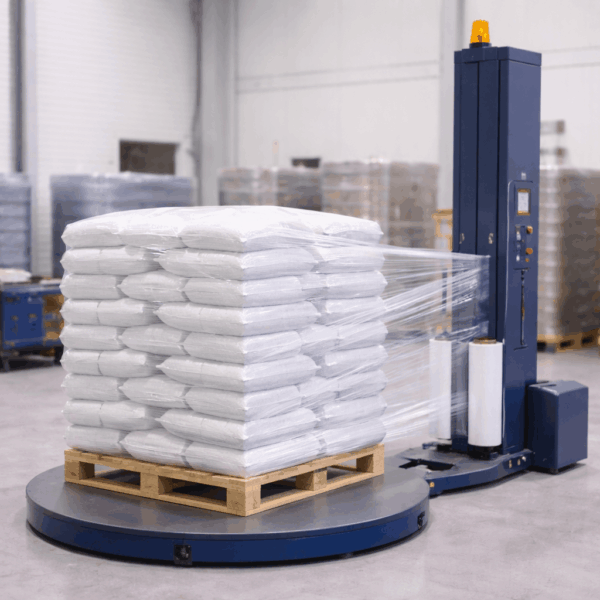
PE Stretch Film For Machine Use
It is an essential solution for manufacturers, warehouses, and distribution centers seeking reliable and cost-effective pallet stabilization. Our machine stretch film is produced using advanced cast and blown extrusion technologies, delivering excellent stretchability, uniform thickness, and high puncture resistance. Available commercial grades include standard machine grade, high-performance power grade, and pre-stretch machine grade, designed to optimize film consumption and wrapping speed. Common thicknesses range from 15, 17, 20, 23, 25, and up to 35 microns, with customized specifications available upon request. The film is offered in clear, black, white, blue, and tinted colors, supporting load visibility, UV protection, and product security. Key technical features include high elongation capacity (up to 300%), strong load-holding force, excellent cling control (one-side or two-side), low breakage rate, quiet unwinding, and stable performance in varying temperatures. Standard roll widths such as 500 mm and 750 mm, along with heavy roll weights, ensure compatibility with most automatic and semi-automatic stretch wrapping machines.
Polyethylene Stretch Film for Machine Use is widely applied in automated pallet wrapping, export packaging, warehouse storage, and long-distance transportation. It is suitable for securing cartons, bags, boxes, building materials, beverages, chemicals, and industrial goods across multiple sectors. By reducing film waste, improving load stability, and increasing packaging speed, this machine stretch film enhances overall supply chain efficiency. Its recyclable nature, consistent quality, and customizable options make it a preferred choice for modern industrial packaging solutions worldwide
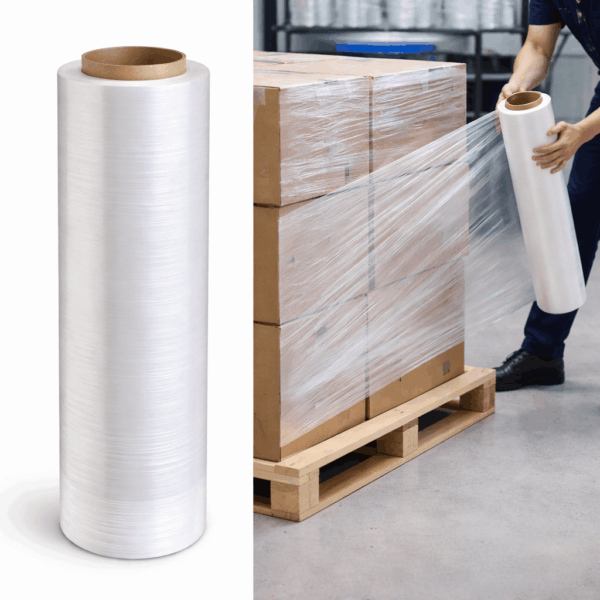
PE Stretch Film For Manual Use
It is widely used across industries where reliable protection and ease of handling are essential. Our hand use stretch film is produced using advanced cast or blown technology to ensure consistent thickness, superior stretchability, and strong tear resistance. Available commercial grades include standard grade, power grade, and pre-stretch grade, allowing customers to choose the right balance between strength and material consumption. Common thicknesses range from 12, 15, 17, 20, and 23 microns, with custom options available upon request. The film is offered in clear, black, white, blue, and other colors, supporting both product visibility and load confidentiality. Key technical features include high elongation, excellent puncture resistance, strong cling on both sides or one side, low noise during application, and stable performance under varying temperatures. Rolls are typically supplied in standard widths such as 450 mm and 500 mm, compatible with manual wrapping. This polyethylene stretch film is recyclable, lightweight, and optimized to reduce packaging costs while maintaining load security.
Polyethylene Stretch Film for Manual Use is widely applied in pallet wrapping, carton bundling, warehouse storage, export packaging, and transport protection. It is suitable for industries such as food and beverage, pharmaceuticals, building materials, consumer goods, and logistics. By preventing dust, moisture, and shifting during transit, this hand stretch film improves supply chain efficiency and product safety. With reliable quality, consistent specifications, and flexible customization, it serves as a dependable packaging material for both domestic and international markets.
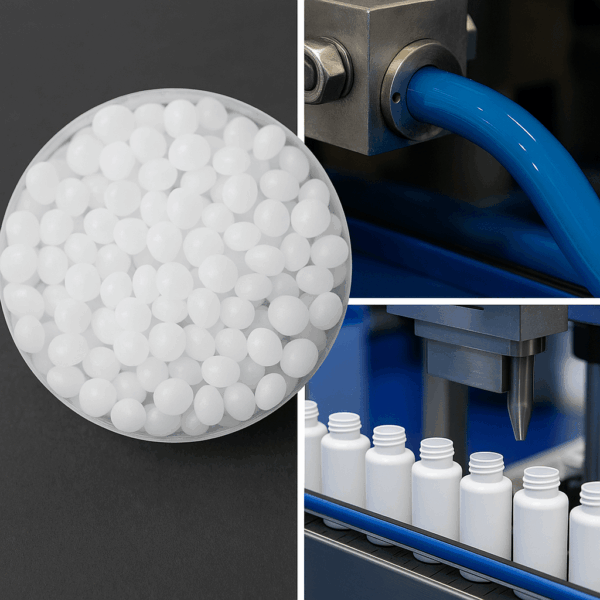
PE wax compound
These specialized PE Wax Compounds offer outstanding anti-blocking, anti-scratch, and release properties, making them essential for improving processability and mechanical performance of polymers. Their high hardness, excellent anti-stick behavior, and strong compatibility with polyolefins enable uniform pigment and filler dispersion, higher output rates, and reduced energy consumption. PE wax also provides excellent chemical resistance, low volatility, and a high melting point suitable for high-temperature processing environments and their optimized rheology and low melt viscosity promote enhanced flow, reduced die-build-up, and improved surface quality of finished products.
Pentaerythritol
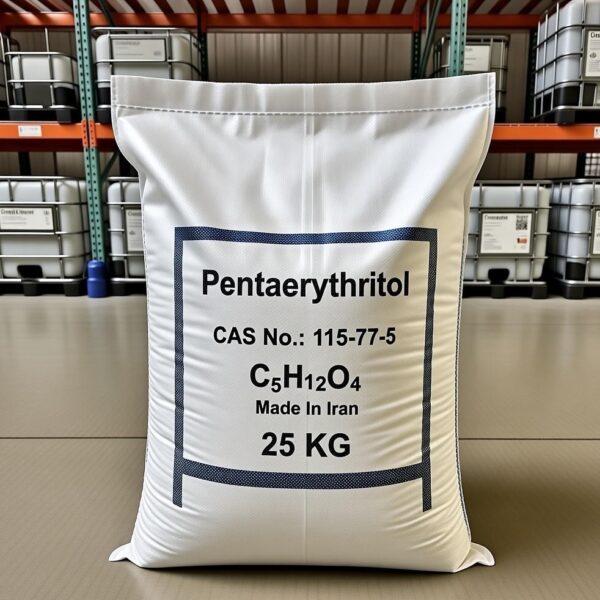
The production process of Pentaerythritol requires accurate control of reaction conditions to obtain consistent quality and high efficiency. During manufacturing, formaldehyde and acetaldehyde undergo an aldol-type condensation reaction to form an intermediate compound, which is further processed to produce Pentaerythritol crystals. Advanced purification technologies are applied to remove impurities and obtain grades suitable for different industrial applications. Commercially available types include Mono Pentaerythritol (high purity grade), mainly used in alkyd resins, paints, varnishes, and coatings; Technical Grade Pentaerythritol, used in industrial resins, adhesives, and chemical formulations; and Di-Pentaerythritol, a higher molecular weight grade used in advanced coatings, lubricants, plasticizers, and specialty applications where enhanced cross-linking performance is required.
Pentaerythritol offers excellent advantages including high hydroxyl functionality, low volatility, superior thermal resistance, good compatibility with various resins, and improved mechanical properties of finished products. In the coatings industry, it is an essential component for manufacturing alkyd resins, powder coatings, and protective paints with better hardness, gloss, weather resistance, and durability. In the plastics industry, Pentaerythritol is used as a stabilizer, cross-linking agent, and flame-retardant additive, while in lubricant production it contributes to the formulation of synthetic esters with excellent oxidation resistance and high-temperature performance. Due to its wide range of applications and reliable technical properties, Pentaerythritol is supplied globally in different grades and packaging forms for wholesale export to manufacturers, distributors, and industrial consumers.
Pepper Jack Cheese
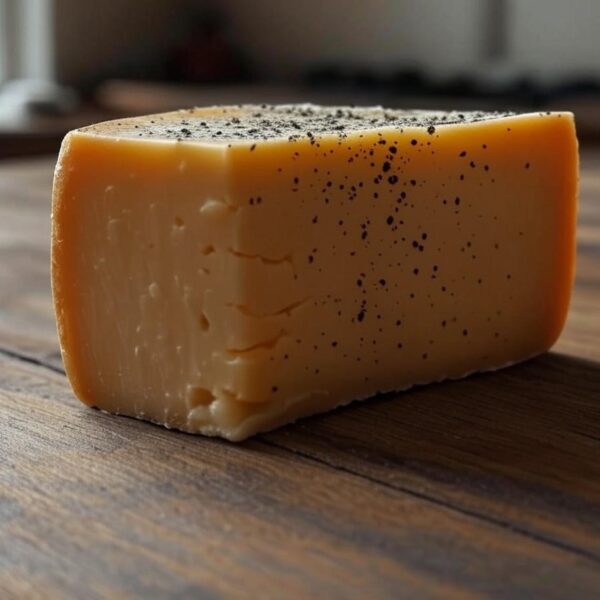
Pepper Jack cheese is a variety of Monterey Jack that’s flavored with peppers and often other vegetables and spices to give it a kick. While this semi-soft cheese is spicy, it’s also buttery. As a result, it goes well with quesadillas, hamburgers and more. For a great breakfast recipe.
Pepper Jack cheese adds a burst of spiciness to any dish. It melts well but is of equal use sliced onto a deli-type sandwich, pairing wonderfully with smoked meats or sprinkled over a bowl of nachos.

Performance Car Tire
They are mainly used to improve handling, particularly on wet roads. Performance Touring All-Season Tires are designed for luxury vehicles and sports cars and balance practicality with performance, offering the utility of standard touring tires with the sportiness and fast driving elements that premium vehicles need. Performance tires can make a world of difference for any vehicle, and can drastically improve handling, stopping distances, traction and more. Performance tires, as the name suggests, are designed to deliver maximum grip and performance above all else. Performance car tires come in a variety of types, including ultra-high-performance (UHP), max-performance, and summer or all-season performance tires, each engineered for precise handling and high-speed stability. They are designed with low-profile sidewalls and specialized tread compounds for superior grip, braking, and cornering control. Common sizes range from 17” to 22”, fitting sports sedans, coupes, and supercars for both street and track use.

Persian Gabbeh
These rugs are ideal for customers seeking originality, warmth, and cultural value in one distinctive piece. Crafted primarily from high-quality hand-spun wool, Persian Gabbeh rugs are known for their thick pile, exceptional durability, and soft, comfortable feel underfoot. Natural vegetable dyes give the colors long-lasting depth and eco-friendly appeal, making them suitable for contemporary, minimalist, and rustic interiors alike. Patterns range from simple geometric forms and abstract symbols to playful motifs inspired by nature, animals, and daily nomadic life. Unlike mass-produced carpets, every Gabbeh is one of a kind, offering exclusivity that appeals strongly to design-conscious buyers. Their versatile sizes and balanced color palettes allow easy placement in living rooms, bedrooms, offices, and boutique spaces. Persian Gabbeh rugs are also valued for their insulating properties, providing warmth and sound absorption in both residential and commercial environments. The low-maintenance structure makes them practical for high-traffic areas while preserving a handcrafted, luxury look.
From a market perspective, Persian Gabbeh rugs have strong global demand due to their authenticity, sustainable production, and compatibility with modern décor trends. They are especially popular in European and North American markets where buyers value handmade, ethical, and story-driven products. Technically, these rugs feature dense knotting, resilient wool fibers, and long-lasting color fastness, ensuring years of reliable use. As a result, Persian Gabbeh is not only a decorative element but also a long-term investment in quality, heritage, and refined taste, making it an excellent choice for curated collections and premium online retail platforms.