

 Arabic
shop
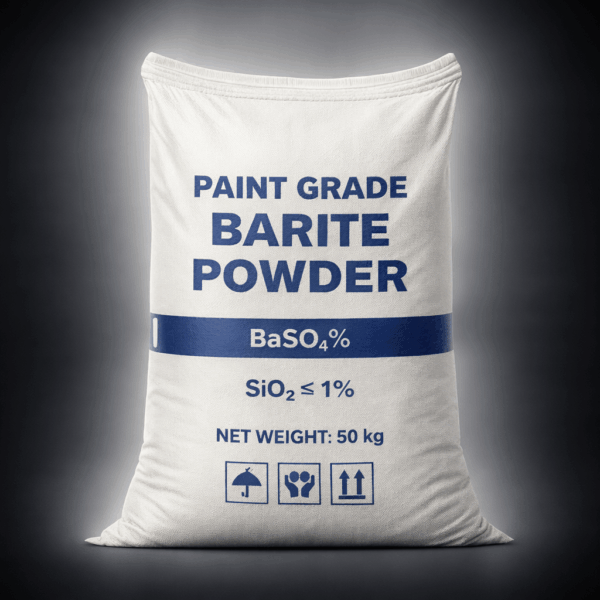
Paint Grade Barite Powder
Paint grade barite powder is widely used in architectural paints, industrial coatings, anti-corrosion paints, primers, marine coatings, road marking paints, and protective finishes. It improves density, enhances corrosion resistance, controls gloss, and increases durability without negatively affecting color stability.
Key properties of paint grade barite include high specific gravity, excellent chemical and weather resistance, low oil absorption, good whiteness, and non-reactive behavior with resins and pigments. Commercial particle sizes typically range from 325 mesh to micronized grades between 1 and 5 µm, ensuring smooth application and uniform film formation. Paint grade barite powder is supplied in 25 kg and 50 kg bags, 1-ton jumbo bags, or bulk packaging, offering paint and coating manufacturers a reliable, economical, and versatile mineral filler for high-quality coating formulations.
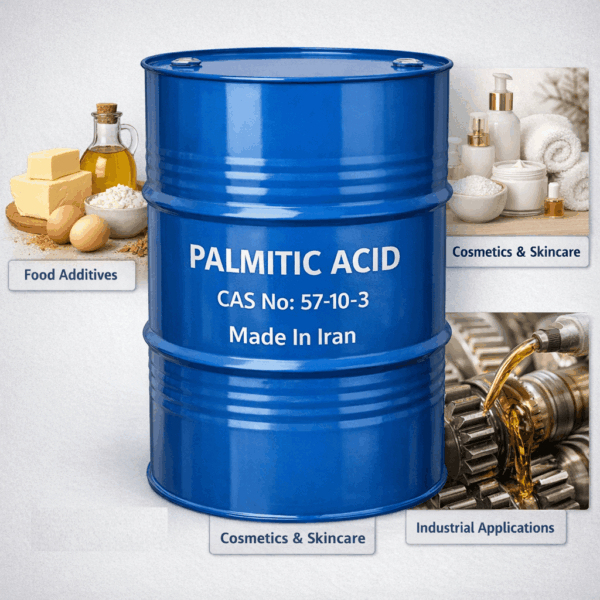
Palmitic Acid
Its stable structure and long shelf life make Palmitic Acid a key ingredient in both consumer and industrial products. Commercially, Palmitic Acid is available in technical, refined, distilled, and cosmetic/pharmaceutical grades, meeting diverse application requirements. Key features include a high melting point, good oxidative stability, low odor, and strong compatibility with other fatty acids and additives. Typical technical specifications include acid value, saponification value, iodine value, melting point, color (APHA), and moisture content, ensuring uniform quality and predictable processing behavior. Palmitic Acid provides excellent thickening, structuring, and hardness-enhancing properties, especially in solid and semi-solid formulations. Its low reactivity and saturated nature make it suitable for high-temperature processing and long-term storage. Packaging options include bags, drums, IBCs, and bulk supply for large-scale industrial use.
Palmitic Acid is extensively used in soaps and detergents, cosmetics and personal care products such as creams, lotions, and soaps, candles, rubber and plastic processing, lubricants, metalworking fluids, and chemical intermediates. It also plays an important role in food and pharmaceutical formulations where approved grades are applied. With consistent global availability, versatile functionality, and strong performance stability, Palmitic Acid remains a preferred saturated fatty acid for manufacturers seeking dependable and high-quality raw materials.
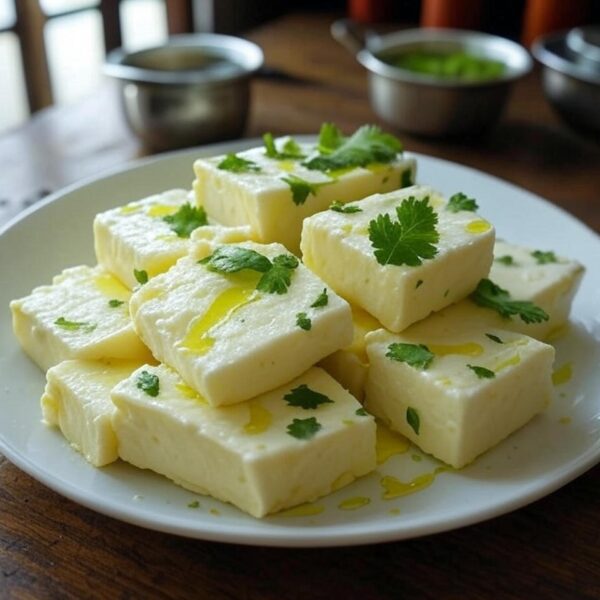
Paneer Cheese
Paneer is a fresh cheese that is moist and soft, crumbly in texture, and is made in a process similar to ricotta. The origins of paneer are unclear .It’s a simple cheese, using heat and acid, usually lemon or lime juice, to coagulate either buffalo or cow’s milk. It tends to be mild and milky and typically doesn’t contain any salt. As paneer doesn’t actually melt, it’s often used in vegetarian dishes as a meat substitute.
- It is made by boiling, and curdling milk with an acidic agent like lemon juice, vinegar, or yogurt. Then it is strained and pressed to form a firm, yet crumbly cheese.
- Paneer has a mild, slightly tangy flavour and a firm, soft and moist texture .It’s a good source of protein and calcium and is suitable for vegetarians.
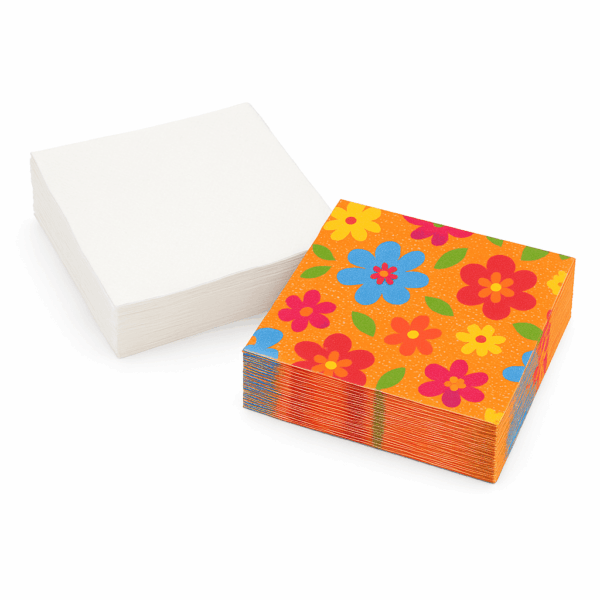
Paper Napkins
Napkins are eco-friendly paper selection and can use them to decorate with patterns and designs That can add a touch of elegance to any dining table. In addition, napkins ae very widely used at restaurants, cafes, and other food establishments.
Napkin is designed to handle your messiest meals and offering unparalleled value for our everyday needs, events, and parties, making it an ideal choice. The main types of raw materials used in the production of paper napkins are virgin pulp and bamboo pulp. Among them, the wood pulp is made from trees which is the most commonly used raw material. Printed Napkins are printed with non-toxic water soluble inks and are all compostable. They can be supplied in a variety of sizes, colors, and designs, and are often customizable to fit specific themes or branding.
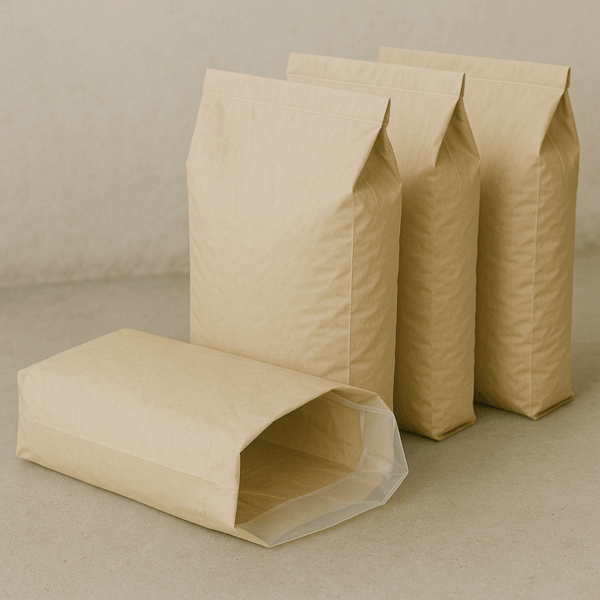
Paper Sack
Based on customer request can have several layers of sack papers, printed external layer and inner plies and a plastic film, foil, or polyethylene coated paper layer in between as a water-repellant, insect resistant, or rodent barrier. Paper sacks are made of Kraft paper having the advantage of being soft and strong at the same time. The stretch or elongation increases the energy required to break the material. They carry and protect products up to 50 kg, and adapt easily to the nature of their contents and to handling constraints. Depending on the product, the weight ratio of a paper sack to its contents can be up to 1:250. The strength is due to the arrangement of the fresh fibers used in Kraft paper production.
Thanks to different paper sack constructions with glue, barrier, layer or surface concepts, paper sacks can also be moisture resistant. There are many different types of paper sacks available for the various end uses. The most common sack types are valve sacks, pinch bottom sacks, SOS (self opening sacks) sacks and (pasted) open mouth sacks.
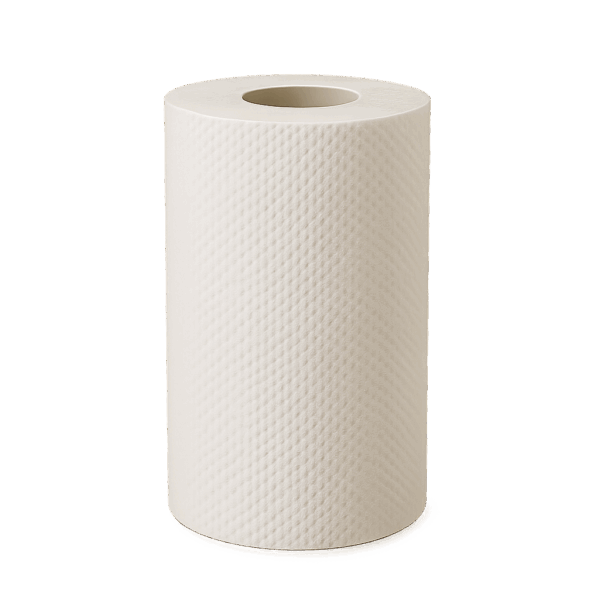
Paper Towel
Paper Towels are often used to clean spills and wipe surfaces. paper towels are supplied in rolls or sheets and this kind of paper comes in different ply, sizes, and textures. Sizes can be standard and jumbo sizes. Standard-sized paper towels are perfect for everyday use and ,jumbo-sized paper towels are ideal for heavy-duty cleaning tasks. paper towels with added features are also available such as perforations for easy tearing or embossed patterns that improve their absorbency. The supplied paper towels have enough Strength because of fiber high quality and wet end chemicals
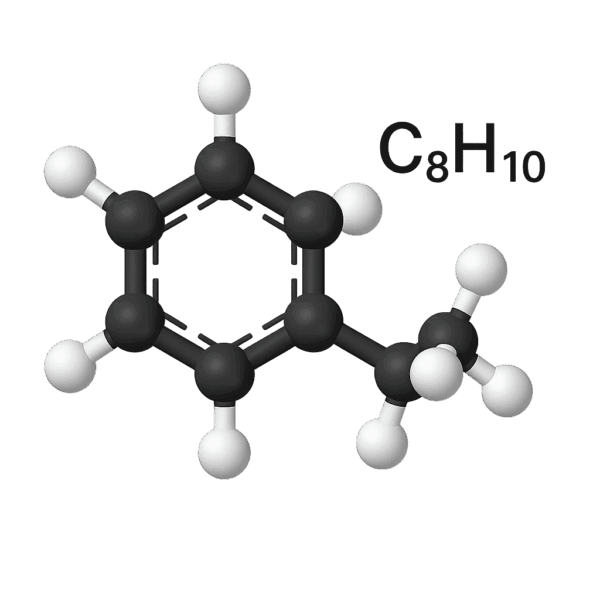
Para Xylene
The main application of Para Xylene is as the primary feedstock for the production of Purified Terephthalic Acid (PTA), which is further used in manufacturing Polyethylene Terephthalate (PET) resins, polyester fibers, polyester films, and packaging materials. It is also used in the production of specialty chemicals, solvents, coatings, and other aromatic compounds. Commercially available Para Xylene grades are generally classified based on purity level, including standard industrial grade and high-purity polymer grade, with high-purity grades mainly used for PTA and PET manufacturing where strict quality control is required. The product specifications usually include high para isomer content, low impurities, controlled moisture level, and excellent stability, making it suitable for continuous petrochemical operations.
Para Xylene offers several advantages including high chemical purity, reliable processing performance, excellent compatibility with industrial production systems, and strong demand in the polyester value chain. It is supplied worldwide in bulk quantities through chemical tankers, ISO tanks, and specialized storage facilities, while smaller industrial quantities can be supplied in drums or intermediate bulk containers according to customer requirements. Proper packaging and transportation conditions ensure product quality and safety during storage and delivery. Manufacturers and buyers select Para Xylene due to its critical role in modern plastics, textiles, and packaging industries, making it an essential product for companies involved in petrochemical and polymer production.
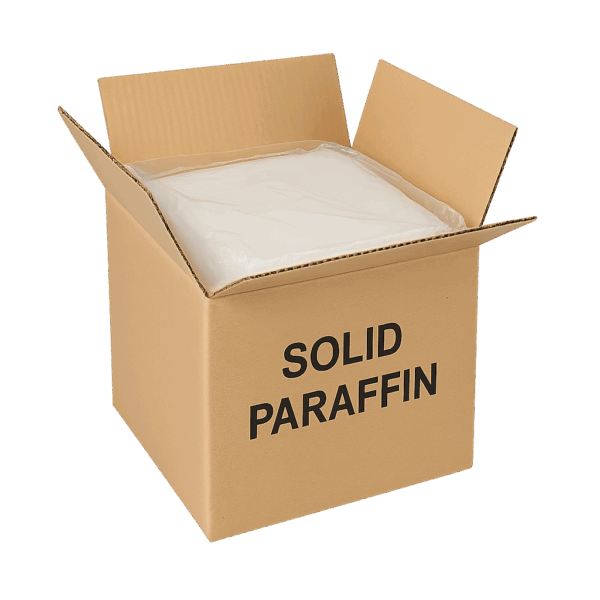
Paraffin Wax (Solid Paraffine)
The base classification are 3 types based on the oil :
- Fully-refined paraffin wax , it is solid , white . It has a low oil content (less than 0.5%) with a high melting point and good physical stability. Fully-refined paraffin wax is used in food industries , medicine and cosmetics.
- Semi-refined paraffin wax , it has oil content from 1 to 7 percent . it is used in paper industries that which gives a gloss, light color, hardness, and transparency to the paper. Other uses are in solid perfumes , Beauty masks, Protective creams for industrial workers , Facial care and beauty products and Hair preparations.
- Crude paraffin wax , It has high oil content (more than 7% oil content), and is utilized to make matches, fiberboard, and canvas. It can be widely used in moisture-proof and waterproof packaging paper, cardboard, surface coating of textiles, and candle production.
Common applications for paraffin wax include lubrication, electrical insulation, and candles; dyed paraffin wax can be made into crayons. Food-grade paraffin wax also is available that is used as shiny coating used in candy-making; although edible, it is nondigestible, passing through the body without being broken down. Coating for many kinds of hard cheese, like Edam cheese , Sealant for jars, cans, and bottles and Chewing gum additive.
Paraformaldehyde
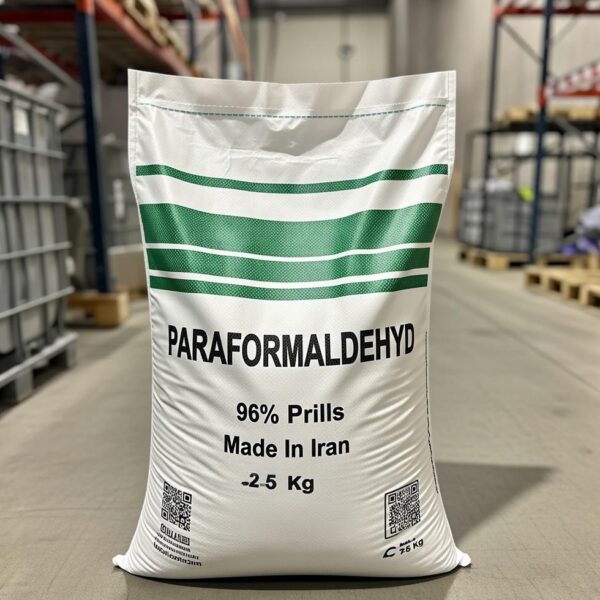
Paraformaldehyde grades are generally differentiated according to formaldehyde content, purity, particle size and intended end use. High-formaldehyde-content grades are commonly selected for resin production and chemical synthesis, while standard industrial grades are widely used as a formaldehyde source in manufacturing processes. Fine-powder grades can be suitable for applications requiring rapid reaction or dissolution, whereas granular or prilled grades can offer improved flowability and easier bulk handling. One of the major applications of paraformaldehyde is the production of phenolic resins, urea-formaldehyde resins and melamine-formaldehyde resins, which are used in adhesives, wood panels, laminates, coatings, molded products and engineered materials. It is also used in the manufacture of polyacetal and other formaldehyde-based polymers, as well as in chemical synthesis where formaldehyde is required as a reactive building block. In the agricultural sector, paraformaldehyde can be used in the manufacture of certain agricultural chemicals and formulations, subject to applicable regulations and specific formulation requirements. The product is also utilized in the production of intermediates, specialty chemicals, disinfectant-related formulations and various organic compounds where controlled formaldehyde release is required. Its high active content, solid physical form, relatively low water content and convenient dosing characteristics make paraformaldehyde an important raw material for manufacturers seeking an efficient formaldehyde source. For wholesale export, commercially available material can be supplied according to customer requirements regarding purity, formaldehyde content, particle size, packaging configuration and applicable technical standards, while quality control commonly focuses on active formaldehyde content, moisture, acidity or alkalinity, insoluble matter, appearance and physical properties.
From a commercial and technical perspective, Paraformaldehyde offers several advantages compared with conventional aqueous formaldehyde solutions in applications where a concentrated solid formaldehyde source is preferred. Its high formaldehyde content enables manufacturers to introduce the required active material without adding large quantities of water, which can be particularly advantageous in resin production and other processes where water balance is important. The solid form can also facilitate transportation and storage compared with liquid formaldehyde solutions, provided that suitable packaging, ventilation, temperature control and chemical safety procedures are maintained. Paraformaldehyde is widely used as an industrial raw material in adhesives, wood-based panels, foundry chemicals, coatings, plastics, synthetic resins, polymers, chemical intermediates and selected agricultural chemical manufacturing processes. Product selection should be based on the required reaction conditions, formaldehyde concentration, particle size, purity and end-use specifications. For international wholesale markets, suppliers can offer standard industrial paraformaldehyde as well as grades optimized for specific manufacturing applications. Typical export specifications may include approximately 90–96% formaldehyde content, depending on the commercial grade, together with controlled moisture and insoluble matter. Reliable quality, consistent particle characteristics, high active content, efficient handling and broad industrial compatibility are among the principal advantages that make paraformaldehyde an important commodity chemical for manufacturers and distributors. Buyers should always review the latest technical data sheet and safety data sheet before purchase and ensure that transportation, storage and use comply with applicable chemical safety regulations in the destination market.
Parmesan Cheese
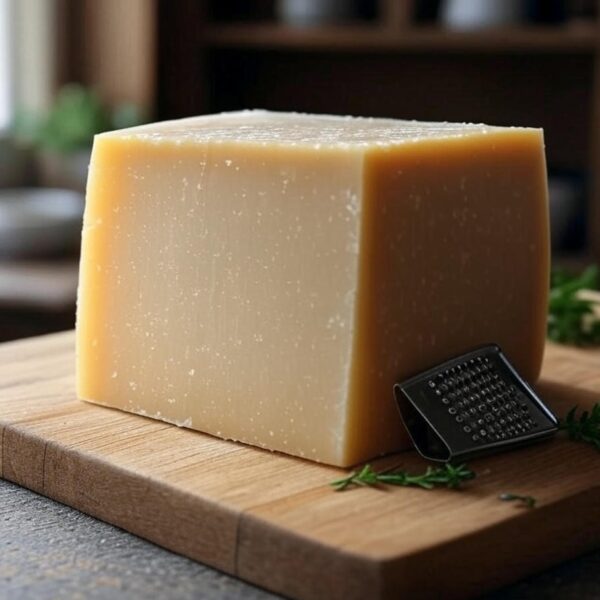
Parmesan cheese has a hard, gritty texture and tastes fruity and nutty. It can be grated over pastas, used in soups and more. This grand Italian cheese, can be produced with raw cow’s milk. This type of cheese is wonderful for grating over pasta.
Parmesan cheese – or, to give it its full Italian title, Parmigiano-Reggiano – is one of the world’s most popular and beloved cheeses. Known as the king of cheeses, The production of Parmesan cheese is not just a process; it’s a labor of love. Each step, from the meticulous selection of the milk to the patient aging process, is a testament to the dedication and skill of the cheesemakers that gives Parmesan cheese its exceptional taste and texture.
Parmesan is special because it must be produced following specific traditional methods

Pastel Art Paint
The pigments used in a paint can be derived from natural sources, such as minerals and plants, or they can be synthesized chemically in a laboratory. The binder holds the pigments together to help the paint adhere to the painted surface. Other ingredients, such as solvents that adjust the paint’s consistency or additives that improve its performance or durability, may also be added to the mixture. Pastel Art paint is a soft, powdery paint with a high concentration of pigment and minimal binder. It is available in a wide range of colors and is known for its delicate, luminous quality and ability to create subtle gradations of color.
Patterned Glass
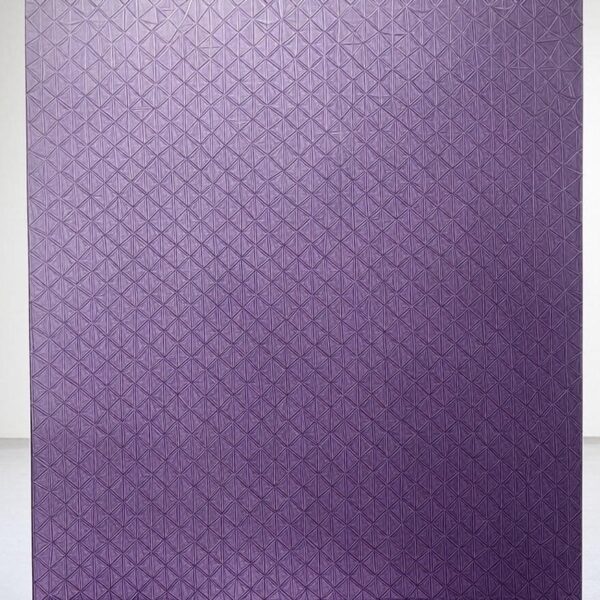
Patterned Glass is commonly supplied in clear, translucent, colored, coated, or specially processed versions, with surface textures ranging from subtle light diffusion to stronger privacy effects. Standard thicknesses typically include approximately 3 mm, 4 mm, 5 mm, 6 mm, and 8 mm, while thicker or customized specifications may be available depending on the manufacturer and production line. The glass can be supplied as annealed glass for general applications or processed into tempered safety glass where higher mechanical strength and thermal resistance are required. Laminated Patterned Glass can also be manufactured by combining textured glass with an interlayer to improve safety and retention after breakage. Its main technical characteristics include controlled light transmission, decorative surface appearance, privacy enhancement, good weather resistance, dimensional stability, and compatibility with common glass-processing operations. Patterned Glass is widely used in interior doors, bathroom partitions, shower enclosures, office partitions, cabinet doors, furniture, windows, skylights, façade elements, decorative walls, retail displays, hospitality projects, residential buildings, commercial interiors, and architectural glazing. It is particularly useful in locations where natural daylight is required while direct visibility needs to be reduced, offering a practical balance between illumination and privacy.
For B2B supply, Patterned Glass can be manufactured according to standard or project-specific dimensions, with sheet sizes selected to optimize cutting efficiency and reduce processing waste. Commercial buyers can normally specify glass thickness, pattern, dimensions, color, surface finish, processing requirements, and packaging configuration according to their market and end-use application. For international transportation, Patterned Glass is generally packed vertically in strong wooden cases, wooden crates, or reinforced export-grade packaging systems, with separators, protective materials, and suitable cushioning used between individual sheets to minimize the risk of scratches, edge damage, and breakage during handling and transportation. Larger orders may be prepared in customized packing configurations according to container loading requirements. Depending on the buyer’s requirements, products may be supplied as standard sheets or processed glass ready for fabrication and installation. The combination of decorative appearance, light diffusion, privacy control, processing flexibility, and multiple commercial patterns makes Patterned Glass an attractive material for architectural glass suppliers, interior contractors, furniture manufacturers, door and window manufacturers, construction companies, and distributors seeking functional and decorative glazing solutions.