

 Arabic
shop

Freezie
Freezies come in sealed plastic tubular wrappers and conform to the shape of the wrapper when frozen to serve; as such, they do not need to be stored cold. They also do not need to be frozen as solidly as an ice pop and can have a consistency similar to that of a slushie. Freezies are sold in a variety of flavors, including cherry, orange, lemon-lime, watermelon, cream soda, blue raspberry and grape.

French Door Refrigerator
In these refrigerators freezer part is large and provides ample space for frozen goods. French door refrigerators are typically wider than side-by-side models, which can be advantageous for storing larger items. French door refrigerators are easy accessible ones since The double doors and drawer design make it easier to reach and access food items, especially those at the back of the refrigerator.
French Door Refrigerator advantages:
- Wide shelves and compartments : Easily store items like large paella dishes and long platters with wide refrigerator and freezer compartments.
- Larger refrigerator capacity : French door vs. side by side refrigerators dedicate more storage space to the refrigerator instead of the freezer so you can store more fresh foods.
- Easy access to fresh ingredients : Keep fresh items at eye level so you can quickly find what you need whenever inspiration strikes.
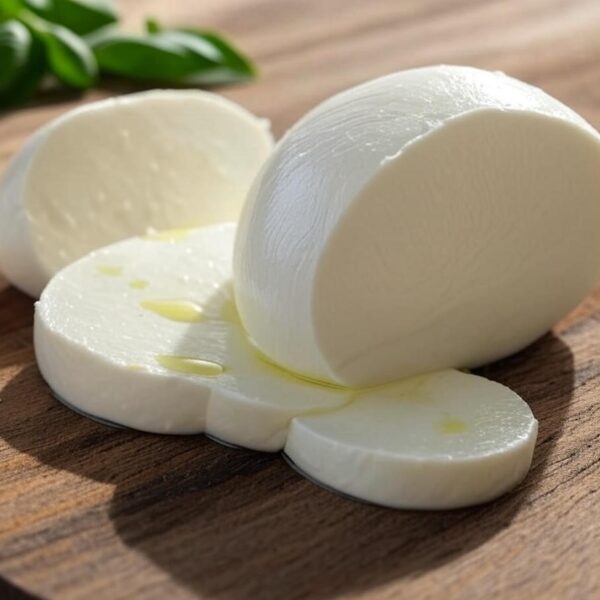
Fresh Mozzarella Cheese
Fresh mozzarella is a fresh cheese made by stretching its cheese curds before rolling them into balls. To keep them fresh, they’re packed in water. Mozzarella is a versatile and delicious cheese with its milky flavor and gooey texture. Commonly used in cooking, especially pizza, because of its excellent melting properties. The high-moisture version of Mozzarella, typically made from whole milk, has a fresh milk flavor and is sold packed in water. Often used in salads or marinated for an appetizer. Small balls are called Bocconcini.
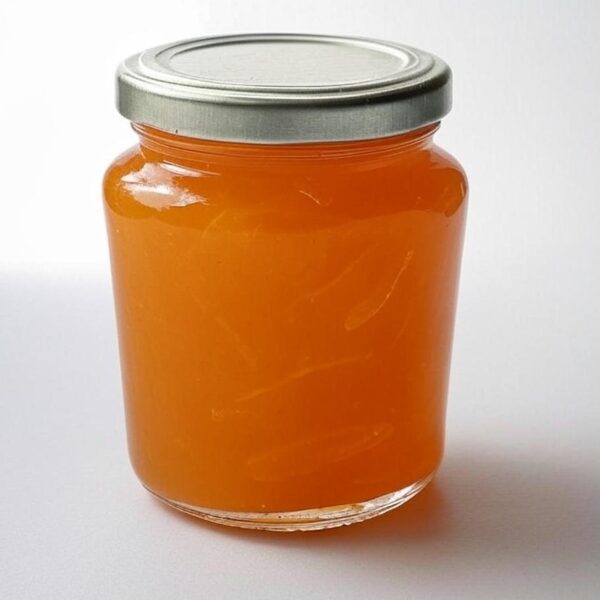
Fruit Marmalades
Marmalade is rather like a citrus-based jam, with pieces of citrus peel and fruit suspended within the set mixture. marmalade can be made using a wide range of citrus fruits and The process to make marmalade involves boiling the juice and peel of fruits with sugar and water. Typically, marmalade is clearer in colour and has a chunky texture from the pieces of included peel.
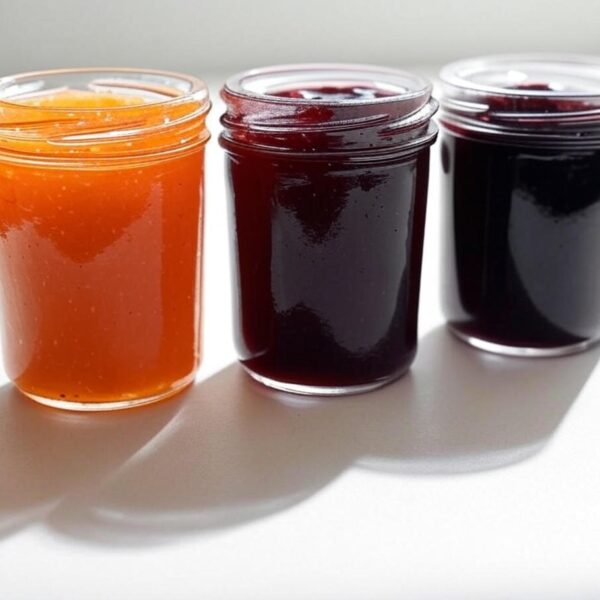
Fruit Jams
A source of fiber, fruit jams, especially those made from fruits with their skins, can help improve digestion. Energy source, fruit jam contains sugar that can provide energy.
A good jam should have high fruit content, low sugar content , made from fresh and quality fruits , less artificial flavours and colours and are more sustainable, as they are produced using natural farming methods that help protect the environment
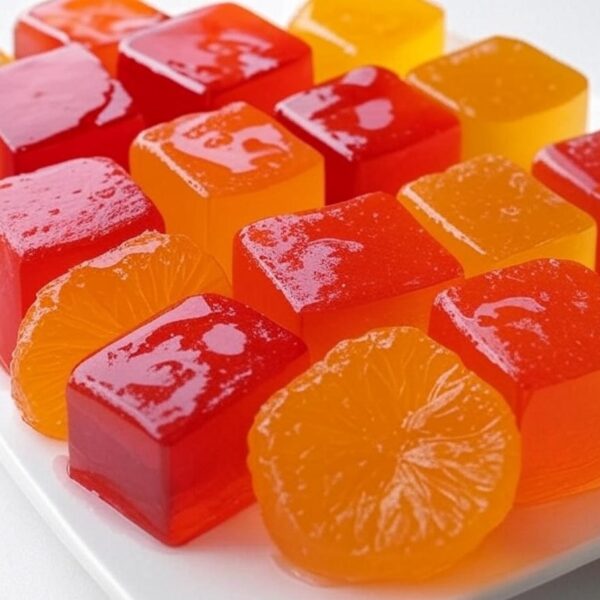
Fruit Jellies
Jelly making
- Jelly is made by straining the juice of various fruits or vegetables, then sweetening, boiling, and congealing.
- Pectin, gelatin, or a similar substance is often used to congeal the jelly
jelly characteristics
- Good jelly is transparent and has a tender texture that can be easily cut with a spoon.
- It’s firm enough that the angles produced by cutting retain their shape

Furfural
Furfural is valued for its reactive furan ring and aldehyde functional group, which provide significant versatility in chemical synthesis.
It can be further processed into derivatives such as furfuryl alcohol, tetrahydrofurfuryl alcohol, furan-based resins, and other specialty intermediates. One of the major applications of furfural is the production of furfuryl alcohol, an important raw material for foundry resins and other thermosetting resin systems. Furfural is also used in the manufacture of phenolic and furan resins designed for high-temperature and chemically demanding applications. In the foundry industry, furfural-based resin systems are used as binders for sand molds and cores because of their curing performance and thermal resistance. Another important application is as a selective solvent in petroleum refining and lubricant processing, particularly for separating specific hydrocarbon components. Furfural can be used in solvent extraction processes for improving the quality and performance characteristics of petroleum-derived products. It is also utilized as an intermediate in the manufacture of agricultural chemicals, pharmaceuticals, fragrances, and various fine chemicals.
Because it is derived from renewable agricultural feedstocks, furfural is considered an important platform chemical for bio-based chemical production. Its combination of renewable origin, chemical reactivity, and industrial versatility makes it attractive for manufacturers seeking alternative feedstocks. Furfural is normally handled as an industrial liquid and should be stored in suitable chemical-resistant containers under controlled conditions. Commercial packaging commonly includes steel drums, galvanized or compatible metal drums, and intermediate bulk containers (IBCs), depending on shipment requirements. For larger industrial transactions, furfural may also be supplied in bulk tankers or other suitable bulk liquid transportation systems.Typical export packaging options include 200 kg or approximately 250 kg drums, 1,000 kg IBC containers, and bulk shipments for high-volume customers.
Packaging selection depends on transportation distance, storage conditions, customer requirements, and the quantity being purchased.
Furfural should be protected from excessive heat, ignition sources, and unsuitable storage conditions, with appropriate ventilation and chemical handling procedures. For international industrial supply, buyers generally specify purity, moisture, acidity, color, packaging type, quantity, and required technical documentation. Quality consistency is particularly important for resin production, solvent extraction, chemical synthesis, and other applications where process performance depends on controlled raw-material properties.
Furfural therefore represents a versatile industrial chemical for manufacturers in the foundry, petroleum, resin, agricultural chemical, pharmaceutical, and specialty chemical sectors. Its broad application range and availability in different commercial grades make Furfural a valuable intermediate for both conventional chemical manufacturing and bio-based industrial processes. For bulk purchasing, the appropriate grade and packaging should be selected according to the customer’s production process, storage facilities, transportation requirements, and final application.
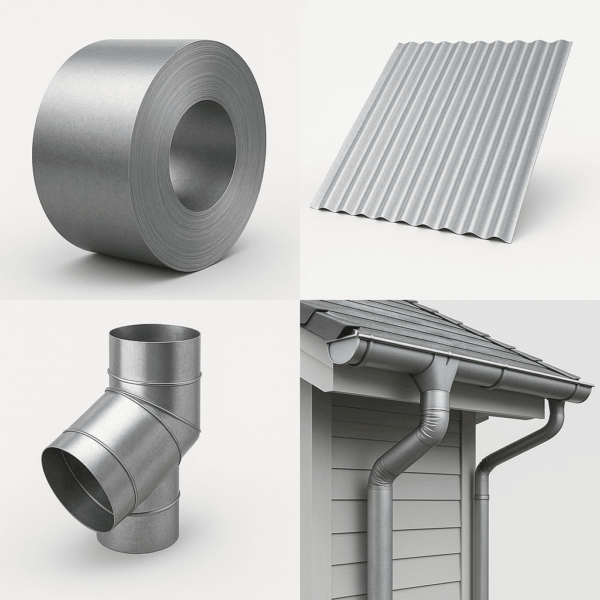
Galvanized Steel Coil
Galvanized steel coil and GI steel coil refer to the same product, which is cold rolled steel sheet coated with zinc. It is produced by passing cold rolled steel sheet through a molten zinc bath. The end result of this process is a layer of zinc on each side of the steel sheet or coil that is tightly adhered to the steel through the formation of an iron-zinc alloy bonding layer. Applications: It can be used in construction, home appliances, transportation, windows, doors, refrigerators and so on. It can also be further processed for other use as colour coated coil/sheet substrate, steel strip substrate.
The main advantage of galvanized steel coil is its anti-corrosion and anti-rust properties. The iron element in steel is a highly reactive chemical, prone to rusting. but the addition of zinc plays a role of protective buffer between the steel and moisture or oxygen. So the zinc coating acts as a barrier to resist external attacks, and will sacrifice itself to protect the underlying steel. Galvanized steel coils are available in a range of sizes, with thicknesses typically ranging from 0.12mm to 4.0mm and widths commonly between 600mm and 2100 mm. Specific dimensions can vary based on application and customer request.
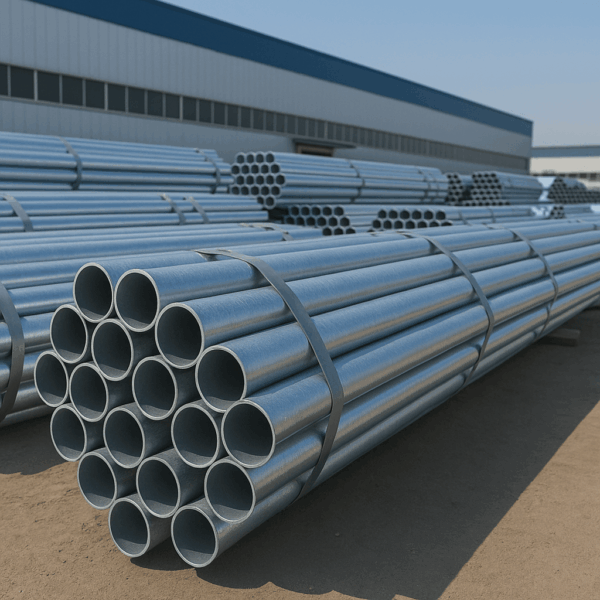
Galvanized Steel Pipe
Their ability to resist rust and corrosion makes them durable options for water distribution and structural supports where exposure to moisture is frequent. By employing galvanization, these pipes gain longevity and reliability in external plumbing applications. This coating method also provides a cost-effective layer of protection compared to stainless steel, offering economic advantages while maintaining necessary performance standards in residential water systems.
Furthermore, galvanized pipes in agriculture provide durability for irrigation systems. The thick zinc coating offers protection against the elements, which is critical in environments where operational lifespans are extended by continuous exposure to water and other external factors. Galvanized steel pipes come in a variety of sizes, typically ranging from 1/4 inch to 8 inches in nominal diameter, with common sizes including 1/2 inch, 3/4 inch, 1 inch, 1 1/4 inch, 1 1/2 inch, 2 inch, 2 1/2 inch, 3 inch, 4 inch, 5 inch, 6 inch, and 8 inch.

Garden Tractors
Garden tractors can be equipped with various tools like snow blowers, tillers, and small trailers. They are perfect for homeowners and small gardeners who need a reliable tool for year-round yard maintenance. It is possible to supply them with features like automatic or hydrostatic transmissions, PTO power, and 3-point hitches. These make it easy to do things like mowing and tilling on your land. Lawn tractors can have a wide cutting deck that can cut and collect grass quickly and efficiently. And can be equipped with attachments like snow blowers, aerators, dethatchers, spreaders, and sprayers.
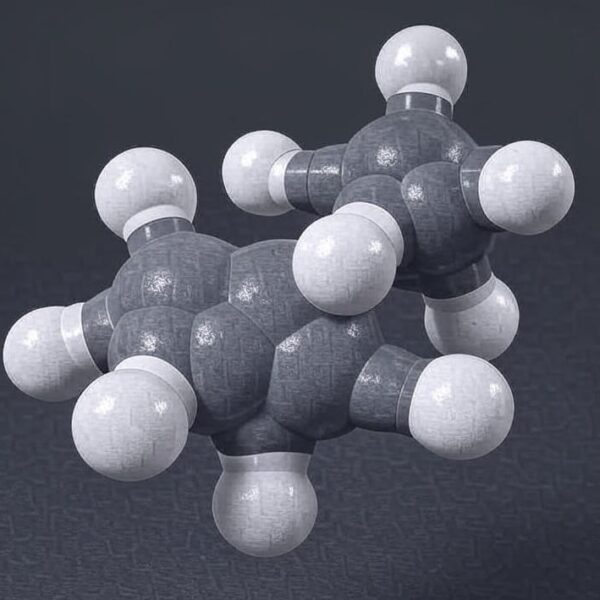
Gas Condensate
Gas condensate is generally obtained when reservoir fluids are brought to the surface and pressure and temperature conditions cause heavier hydrocarbons to separate from the natural gas stream. At the wellhead or gas processing plant, the production stream passes through separators where gas, condensate and produced water are separated. Further stabilization, dehydration and treatment may be carried out to reduce light-end hydrocarbons, water, hydrogen sulfide and other impurities. Commercial gas condensate may be supplied as unstabilized condensate, stabilized condensate, field condensate or lease condensate, depending on its origin and processing level. Stabilized grades normally have controlled vapor pressure and are more suitable for transportation, storage and refinery use.
Typical commercial specifications include API gravity, density, Reid Vapor Pressure (RVP), sulfur content, water and sediment, BS&W, distillation range, acidity, vapor pressure and hydrocarbon composition. Depending on its composition, gas condensate can be used as a refinery feedstock for producing gasoline-range products, naphtha, kerosene and other petroleum fractions, or as a blending component for crude oil and refined products. It is also used as a source of light hydrocarbons and petrochemical feedstock after appropriate fractionation. Because gas condensate is highly volatile and flammable, commercial transportation and storage are normally carried out in approved bulk liquid hydrocarbon systems, including road tankers, rail tank cars, storage tanks, barges and ISO tank containers where applicable. Export specifications, loading procedures and packaging formats are normally agreed according to the buyer’s required quality, destination regulations and terminal facilities.