

 Arabic
shop
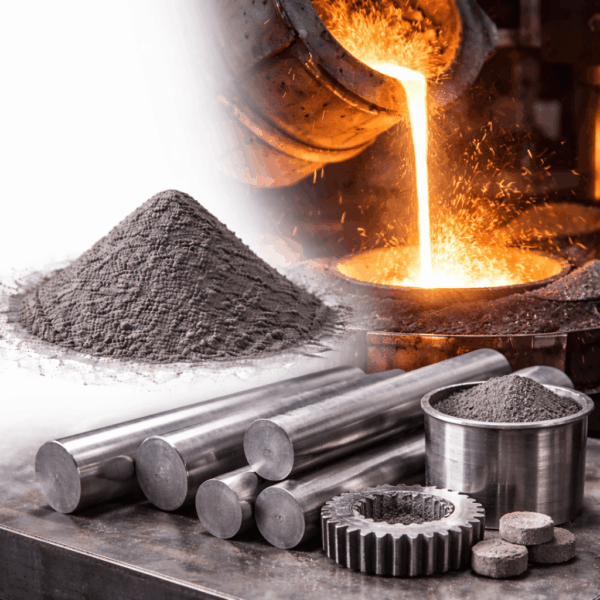
Ferro Nickel Powder
Ferro Nickel Powder is supplied in various grades and mesh sizes including fine powder, ultra-fine powder, and coarse powder grades. Fine grades such as -325 mesh, 10–50 micron, and 5–15 micron powders are mainly used for powder metallurgy, additive manufacturing, magnetic materials, and specialized coatings where high surface area and excellent sintering performance are required. Medium particle sizes such as 50–150 micron powders are suitable for thermal spraying, welding materials, hard-facing applications, and industrial alloy production. Coarser grades are commonly used in steelmaking, foundry applications, and manufacturing of nickel-iron alloy components. Ferro Nickel Powder can be supplied in different packaging options including 25 kg bags, 50 kg bags, steel drums, and customized bulk packaging according to customer requirements.
The main advantages of Ferro Nickel Powder include excellent corrosion resistance, high strength, superior magnetic characteristics, good electrical conductivity, oxidation resistance, and compatibility with advanced manufacturing technologies. It is widely applied in stainless steel production, superalloy manufacturing, powder metallurgy parts, electromagnetic components, battery materials, welding electrodes, thermal spray coatings, aerospace components, automotive parts, and chemical processing equipment. Different Fe-Ni alloy grades with varying nickel content are selected according to application needs, such as high nickel grades for corrosion-resistant and magnetic applications and lower nickel grades for structural alloy production. Ferro Nickel Powder provides manufacturers with a reliable raw material solution for producing high-performance metal components with improved durability and efficiency.
Ferro Silicon Powder
Ferro Silicon Powder is commercially available in different grades and mesh sizes to meet various industrial requirements. Common grades include FeSi 15%, FeSi 45%, FeSi 65%, FeSi 70%, FeSi 75%, and high silicon FeSi 90%, each designed for specific applications. Fine powder grades such as 100 mesh, 200 mesh, and 325 mesh are mainly used in heavy media separation, welding electrodes, and chemical processes, while coarser powder sizes are commonly applied in steelmaking and foundry operations. High silicon grades are preferred for demanding metallurgical applications because of their higher reducing ability, while standard ferrosilicon powders are widely used for steel deoxidation, inoculation of cast iron, and alloy production. Packaging options usually include 25 kg bags, 500 kg jumbo bags, and 1000 kg bulk bags according to customer requirements.
Ferro Silicon Powder offers several advantages including high chemical stability, controlled silicon content, excellent oxidation resistance, efficient deoxidation performance, and improved mechanical properties of produced metals. It helps remove oxygen from molten steel, enhances hardness and strength, improves casting quality, and provides better control over alloy composition. Due to its versatility and reliable performance, Ferro Silicon Powder is exported worldwide for use in steel plants, foundries, welding industries, chemical manufacturing, and mineral separation plants. Manufacturers can supply customized grades according to customer specifications, including silicon percentage, particle size distribution, and packaging requirements, making Ferro Silicon Powder a valuable product for global wholesale export markets.
Ferrochrome
The main commercial types include High Carbon Ferrochrome (HC FeCr), Charge Chrome, Medium Carbon Ferrochrome (MC FeCr), Low Carbon Ferrochrome (LC FeCr), and, for specialized applications, extra-low carbon grades. High carbon ferrochrome is widely used in conventional stainless steel production because of its high chromium content and economical alloying performance. Charge chrome is commonly supplied for large-scale stainless steel production, while medium- and low-carbon ferrochrome are selected when tighter control of carbon content is required. Ferrochrome is typically supplied in bulk, big bags, steel drums, or other industrial packaging suitable for safe handling, transportation, storage, and charging into furnaces.
Ferrochrome is mainly consumed by stainless steel mills, alloy steel producers, foundries, and manufacturers of chromium-bearing specialty alloys. Its applications include stainless steel, heat-resistant steel, tool steel, alloy steel, castings, and other metallurgical products requiring controlled chromium additions. Important purchasing parameters include chromium percentage, carbon content, silicon, phosphorus, sulfur, particle or lump size, moisture, and overall chemical consistency. Depending on the production process and customer requirements, ferrochrome can be supplied in lump, crushed, screened, or sized forms to support efficient furnace charging and accurate alloy addition.
Ferromolybdenum
The most common commercial grades of ferromolybdenum contain approximately 60–70% molybdenum, although composition and impurity limits can vary according to producer, market specification, and end-use requirements. Typical chemical parameters include molybdenum content, carbon, silicon, sulfur, phosphorus, copper, and iron balance. Ferromolybdenum is normally added to molten steel during the alloying stage, where its molybdenum content becomes incorporated into the final steel composition. Its use is particularly important in alloy and stainless steel grades requiring enhanced mechanical properties, corrosion resistance, elevated-temperature strength, and resistance to wear and deformation.
Ferromolybdenum is widely used in automotive steels, engineering steels, stainless steels, tool steels, high-strength low-alloy steels, and specialized heat-resistant alloys. It is also used in applications requiring reliable performance under high mechanical loads, elevated temperatures, or corrosive environments. For industrial transportation and storage, ferromolybdenum is commonly packed in heavy-duty woven polypropylene bags, big bags, steel drums, or other suitable bulk packaging depending on particle size, quantity, and customer requirements. Proper packaging helps protect the ferroalloy from contamination, moisture, and material loss during handling and international transportation. Available commercial specifications can be selected according to molybdenum content, particle size, chemical composition, and steelmaking requirements.

Ferrosilicon
Ferrosilicon is extensively used in the production of carbon steel, stainless steel, alloy steel, and various grades of cast iron. In steelmaking, it is added to molten metal to remove dissolved oxygen and introduce controlled amounts of silicon into the final alloy. In foundries, ferrosilicon is widely used for inoculation and for promoting desirable graphite formation in cast iron, particularly in ductile and grey iron production. It is also used in the manufacture of other ferroalloys and silicon-containing alloys. Depending on the production process and end-use requirements, ferrosilicon may be supplied in standard lump sizes or crushed and screened into specific particle-size ranges, allowing efficient dosing and handling in industrial melting systems.
For international bulk trade, ferrosilicon is commonly packed in heavy-duty polypropylene or woven bags, jumbo bags, or other industrial packaging suitable for safe storage and transportation. Packaging and particle size can be selected according to the customer’s production equipment, handling system, and order requirements. Key commercial considerations when purchasing ferrosilicon include silicon percentage, carbon and impurity levels, particle or lump size, consistency between batches, and suitability for the intended metallurgical application. With its combination of deoxidizing efficiency, alloying capability, and versatility, ferrosilicon remains an important raw material for steel mills, foundries, ferroalloy producers, and other metal-processing industries worldwide.
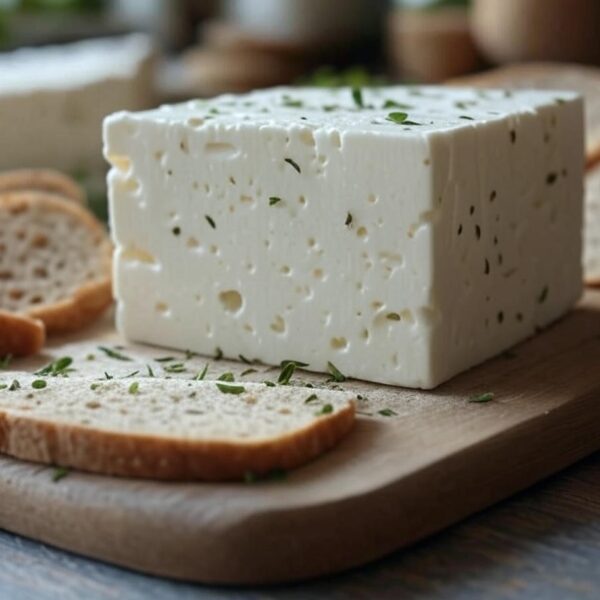
Feta Cheese
Feta is a wonderfully versatile ingredient. It’s great in salads, adds decadence to quiches and pies, and works well crumbled over pasta or blended into any number of dips, sauces, or dressings.
Can be made from goat’s and sheep’s milk , Good in many cooked dishes, including pasta, or topping for soups and salads. Comes in fat-free variety. Feta cheese is a popular type of cheese that has been enjoyed for centuries
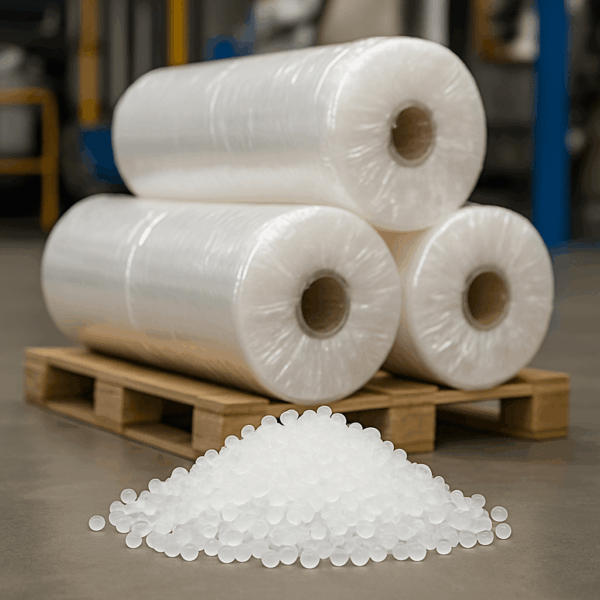
Film & Packaging Polyethylene Compounds
We offer a complete portfolio of film-grade PE compounds including LDPE film compounds, LLDPE (C4/C6/C8) film compounds, metallocene PE (mLLDPE), high-clarity low-haze film compounds, shrink film grades, lamination-grade PE, agricultural greenhouse film compounds, anti-block & slip-modified grades, and high-strength packaging film blends. These materials are used in applications such as food packaging films, shopping bags, stretch films, pallet-wrap, liners, garbage bags, agricultural mulch films, industrial packaging rolls, and pharmaceutical protective films. The supplied compounds provide excellent puncture resistance, high tensile strength, balanced tear properties, and strong sealing performance required for today’s packaging solutions.
Production is carried out on precision twin-screw compounding lines using high-quality LDPE/LLDPE base resins, combined with additives such as slip agents, anti-block agents, UV stabilizers, antioxidants, processing aids, anti-fog agents, calcium carbonate fillers, and metallocene modifiers depending on the grade. All compounds are filtered through fine-mesh screens to ensure film purity, eliminate contamination, and maintain consistent pellet size. These compounds deliver strong environmental benefits such as recyclability, lightweight performance, and reduced material usage while maintaining product integrity.
Fine Size Perlite
Fine Size Perlite is supplied in several particle-size ranges and grades, including fine expanded perlite, very fine perlite powder and application-specific screened grades, with the appropriate grade selected according to the required permeability, porosity, density, filtration performance or insulation characteristics. In agriculture and horticulture, fine perlite is widely used as a soil amendment and growing-media component because its porous structure improves aeration, drainage and moisture management around plant roots, while in industrial filtration it can be used as a filter aid for liquids and other process streams. Fine Size Perlite is also utilized in lightweight plasters, insulation compounds, cementitious materials, refractory products, paints, coatings and other formulations where low weight and thermal or acoustic insulation are important. Depending on the application, key specifications can include particle size distribution, bulk density, moisture content, pH, chemical composition and expansion characteristics, which should be controlled to provide consistent performance in manufacturing processes.
The advantages of Fine Size Perlite include its exceptionally low weight compared with conventional mineral aggregates, high internal porosity, excellent thermal insulation, non-combustibility, moisture-management capability and resistance to many chemical environments. Its mineral and inorganic nature also makes it suitable for applications where a stable and durable lightweight material is required, while its graded particle structure allows manufacturers to optimize performance according to specific product formulations. Fine Size Perlite can be supplied in moisture-resistant multiwall paper bags, polypropylene bags, jumbo bags or bulk packaging, depending on order volume, handling requirements and transportation conditions. For industrial buyers, packaging and particle-size specifications can be customized according to the intended application, production process and destination-market requirements, making Fine Size Perlite a practical choice for manufacturers, construction-material producers, agricultural suppliers, filtration companies and other bulk users seeking a consistent lightweight mineral product.
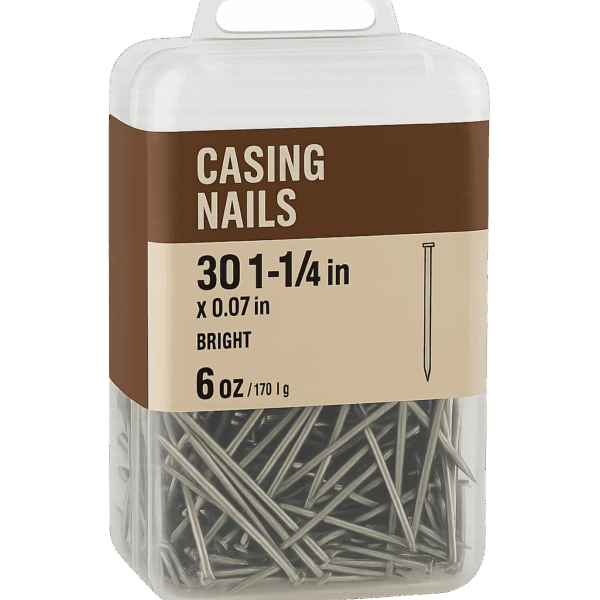
Finish (Casing) Nail
Nail size is determined by both length and gauge. Nail length is indicated by the letter “d,” which is a system of measurement that dates back to old England and originally represented the word “pennies.” Nails come in many lengths ranging from 2d all the way to 50d with corresponding lengths. Nails must be of suitable strength, with a shank that is long enough to provide an appropriate attachment.
A finish or casing nail has a small, slightly rounded head slightly bigger than the nail shank. The head is designed to accept the pointed tip of a nail set, making it easier to countersink the nail without slipping.
Flake Aluminum Powder
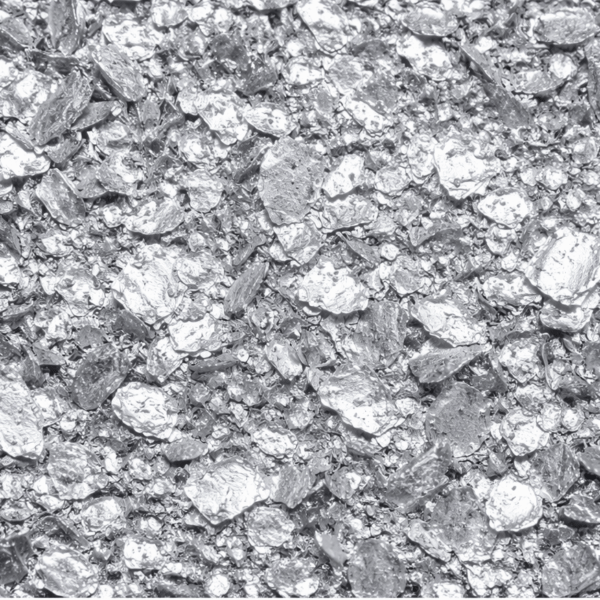
Flake Aluminum Powder is available in different commercial grades including leafing aluminum powder, non-leafing aluminum powder, fine aluminum flakes, coarse aluminum flakes, bright aluminum powder, and specialty coated aluminum pigments. Leafing grades are mainly used in protective coatings, automotive paints, industrial paints, and decorative coatings where aluminum flakes migrate to the surface and create a highly reflective metallic finish. Non-leafing grades are preferred for applications requiring better adhesion, uniform distribution, and durability such as powder coatings, plastics, inks, and concrete products. Fine particle aluminum flakes are used for high-gloss coatings, printing inks, and premium metallic effects, while larger particle sizes are selected for stronger sparkling effects in decorative finishes. Surface-treated aluminum powder grades are available for improved compatibility with water-based systems, resins, polymers, and chemical formulations.
Flake Aluminum Powder offers excellent advantages including high metallic brilliance, superior hiding power, outstanding reflectivity, good corrosion resistance when properly formulated, lightweight performance, and excellent compatibility with various industrial systems. The product is widely applied in automotive coatings, architectural paints, industrial protective coatings, marine coatings, roof coatings, plastic masterbatches, printing inks, fireworks and pyrotechnic formulations, aerated concrete production, thermal insulation materials, and decorative surface finishes. Due to its high conductivity and metallic properties, aluminum flake powder is also used in specialized electronic, energy, and engineering applications. Export-quality Flake Aluminum Powder is supplied according to customer requirements with controlled particle size, aluminum purity, surface treatment, and packaging standards suitable for international wholesale markets.

Flame Retardant Masterbatch
Plastics containing flame retardants are found in homes, office buildings, cars and mass-transit vehicles, furnishings, fibers, household appliances, and many other applications. In general, their use is mandated by regulations in building codes or industry specific standards. Additional examples of plastic products that require flame retardants include construction fabrics, banner films, ceiling insulation, roofing and siding, carpet backing, automotive fabrics, components in trains and planes, tent materials, stadium seating, mattress covers, television and computer housings, electric wiring, power cable, and conduit for tunnels. For a fire to begin, fuel, oxygen, and a source of ignition must be present high concentration Flame Retardant masterbatches ,including halogen-based and halogen-free solutions work by interfering with one or more of these fundamentals, either physically or chemically.
Those having a physical effect either cool the substrate below its combustion temperature, form a solid or gaseous protective layer that excludes oxygen, or add inert gases that dilute the fuel in its gaseous phase. Those that act chemically interrupt the process by reacting with elements in the gaseous phase or shield the polymer by forming a carbonaceous surface layer. Organic halogenated compounds can be especially bromine-based types and Chlorinated flame retardants . Non-Halogenated Flame Retardants can be the phosphorous types or “char formers” and the metal oxides or “endothermic” types.
Flame Retardant PE Compound
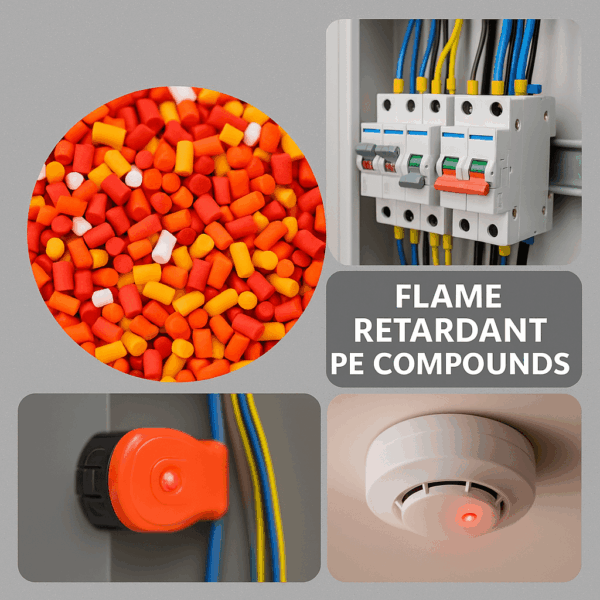
These specialized PE compounds offer excellent mechanical stability, high impact resistance, and strong environmental stress-crack resistance (ESCR), even after the integration of flame-retardant agents. Their optimized polymer structure ensures stable processing performance in extrusion, injection molding, and blow molding operations. They retain their flexibility, dielectric strength, and long-term thermal stability that makes them suitable for electrical, automotive, construction, mining, and telecommunication industries. Their high tracking resistance and excellent insulation properties ensure safe performance in cable sheathing and electrical housing.
Flame Retardant PE Compounds are used in power cable jackets, low-voltage cables, conduit pipes, appliance housings, battery components, automotive interior parts, protective covers, connectors, safety equipment, and industrial enclosures. Available types include Halogen-free flame-retardant (HFFR) PE, UL94-rated PE (V0, V2, HB), low-smoke / low-toxicity compounds (LSZH), phosphorus-based PE, magnesium hydroxide and aluminum trihydrate reinforced PE, anti-dripping flame-retardant PE, UV-stabilized FR grades, and high-impact FR PE for injection molding. Each grade is formulated to meet strict international fire-safety standards.