

 Arabic
shop
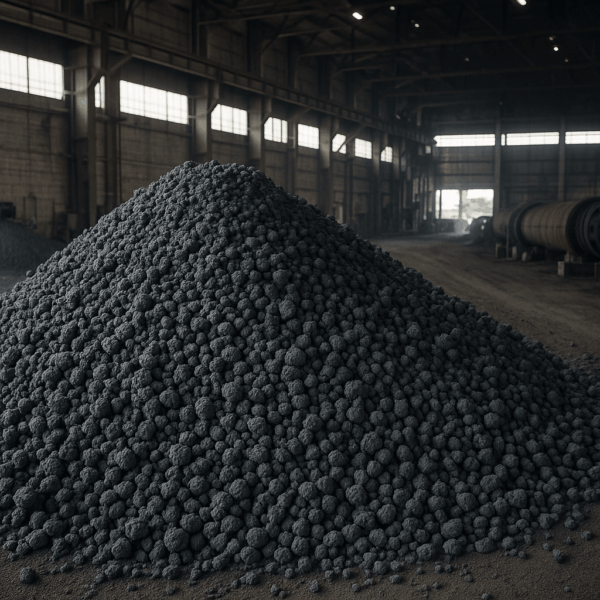
Direct Reduce Iron (Sponge Iron)
Direct reduction processes will remove the oxygen contained in various forms of iron ore (sized ore, concentrates, pellets, mill scale, furnace dust, etc.), in order to convert the ore to metallic iron, without melting it (below 1,200 °C (2,190 °F)). Direct-reduced iron has about the same iron content as pig iron, typically 90–94% total iron (depending on the quality of the raw ore) so it is an excellent feedstock for the electric furnaces used by mini mills, allowing them to use lower grades of scrap for the rest of the charge or to produce higher grades of steel. Sponge iron is not useful by itself, but can be processed to create wrought iron or steel. The sponge is removed from the furnace, called a bloomery, and repeatedly beaten with heavy hammers and folded over to remove the slag, oxidize any carbon or carbide, and weld the iron together.
This treatment usually creates wrought iron with about three percent slag and a fraction of a percent of other impurities. DRI retains the chemical purity of the iron ore from which it is produced. It therefore tends to be very low in residual elements such as copper, chromium, tin, nickel, and molybdenum. Typical ranges of DRI chemistry are 90–94% total iron, 83–89% metallic iron, 6.5–9% iron oxide, 0.8–2.5% carbon, 2.8–6% gangue, 0.005–0.09% phosphorus, and 0.001–0.03% sulfur.
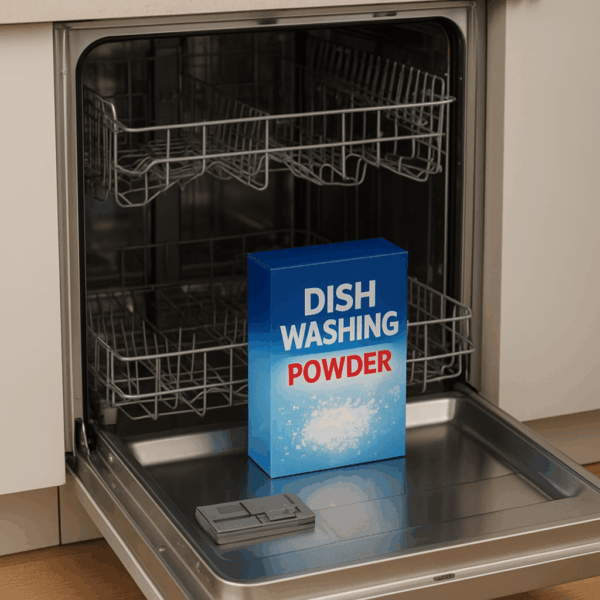
Dish Washer Powder Detergent
Tablets and Powder detergents are the most similar from an ingredient standpoint: “Powder and powder-based tab detergents are mostly made up of a bleach type agent and enzymes,” bleach combats the stains and the enzymes break down proteins and solids.
This type of detergent is also quite useful if you are in an area with hard water. Compared to the other types of detergents, you have a better chance of dealing with the limescale deposits from hard water when using a dishwashing powder detergent.
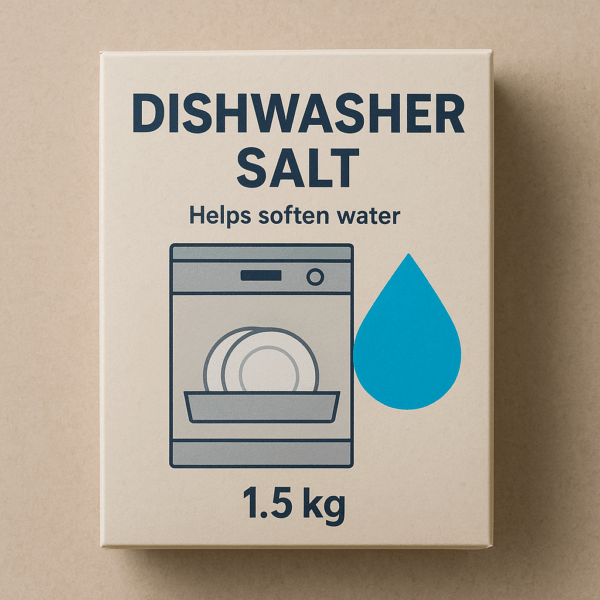
Dishwasher Salt
How it works :
Dishwasher salt is a particular grade of granulated, crystalline sodium chloride intended for regenerating the water softener circuit of household or industrial dishwashers. Analogous to water softener salt, dishwasher salt regenerates ion exchange resins, expelling the therein trapped calcium and magnesium ions that characterize hard water. Dishwater salt granules are larger than those of table salt. The granule size ensures that the salt dissolves slowly, and that fine particles do not block the softener unit.
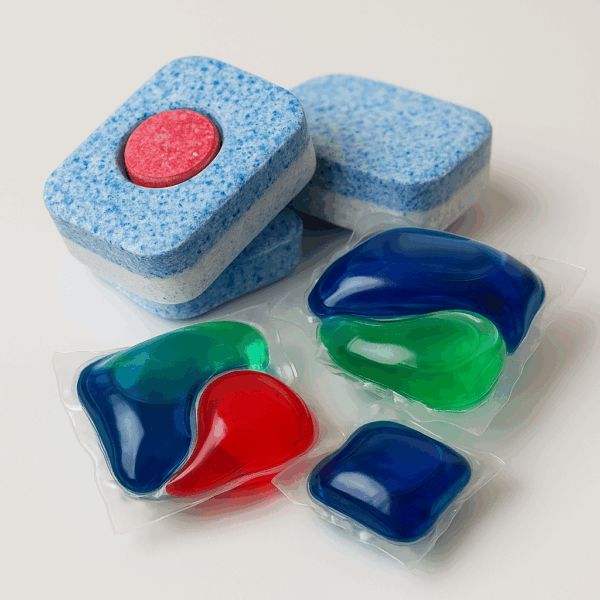
Dishwashing Tablets
These are also compact, and are small enough to store under your sink or another secure area in your kitchen. Tablets typically have two sections: one for the enzyme-based detergent and one for the bleach agent.
In general, a dishwasher tablet consists of:
- Builders to clean and soften the water
- Enzymes to tackle starch and protein
- Bleach to break down certain stains
- Surfactants to remove certain residue
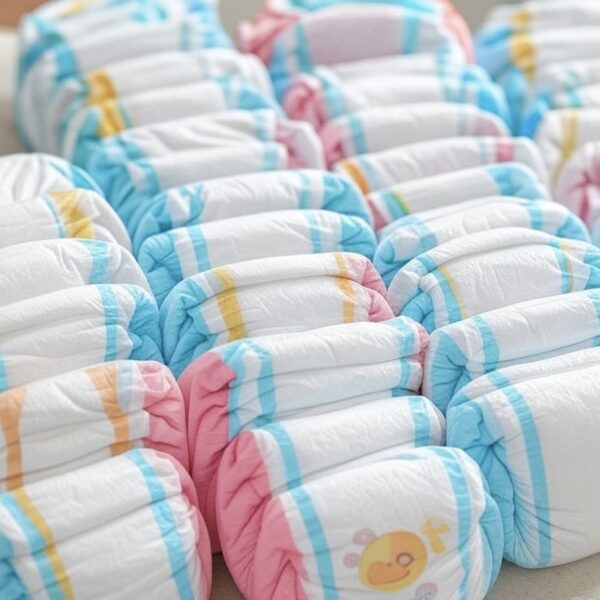
Disposable Diapers For Babies
Disposable diapers are also affordable , making them a great option for those who are concerned on a budget.
The most important thing for parents is their child’s well-being so they look for soft, comfortable, diapers . parents can use freely these diapers for primarily worn infants, toddlers who are not yet toilet trained, and by children who experience bedwetting.
Based on request can include fragrance, lotions or essential oils in order to help mask the smell of a soiled diaper, or to protect the skin. These diapers have elastic tapes on both sides to prevent leakage and strong fastenings adhesive tape

Disposable Polyethylene Glove
Disposable Polyethylene gloves can be produced from virgin polyethylene resin or suitable food-contact and industrial-grade materials selected according to the intended application and required performance. Commercially available types include High-Density Polyethylene (HDPE) gloves, Low-Density Polyethylene (LDPE) gloves and blends designed to provide different combinations of flexibility, strength and cost efficiency. HDPE disposable gloves generally offer a lighter and more economical construction with good resistance to moisture and common handling conditions, making them widely used for high-volume applications. LDPE gloves are typically softer and more flexible, providing improved hand conformity and comfort where frequent handling and easier movement are important for the user.
Disposable Polyethylene Gloves are normally supplied in transparent or translucent form, although customized colors and packaging formats can be produced for specific commercial requirements. The gloves are available in multiple sizes, including Small, Medium, Large and Extra Large, while custom dimensions and cuff configurations can be manufactured for specific industrial or institutional requirements. Depending on film thickness and manufacturing specifications, polyethylene gloves can provide practical protection against dirt, moisture, oils and non-aggressive substances while maintaining an economical disposable format.
Their simple single-use design makes them particularly suitable for food handling, food preparation, catering, retail operations, cleaning, hospitality, healthcare support services and general-purpose handling applications. Disposable Polyethylene Gloves are widely used in food processing and food service environments because they provide a convenient hygienic barrier between the hands and handled products while allowing rapid replacement between tasks. They are commonly used by restaurants, bakeries, supermarkets, catering companies, meat and seafood processors, kitchens and food packaging facilities where high glove consumption and operational efficiency are important.
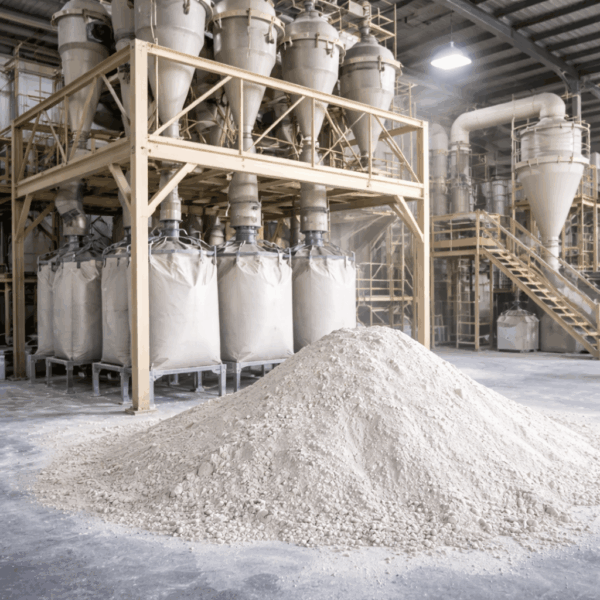
Dolomite Powder
Dolomite Powder is available in various grades and mesh sizes including coarse grade, fine grade, and ultra-fine grade. Construction Grade Dolomite Powder is commonly supplied in sizes such as 100 mesh and 200 mesh and is used in cement manufacturing, concrete production, asphalt mixtures, and building materials due to its hardness and stability. Industrial Grade Dolomite Powder with higher purity and controlled particle size is used as a flux material in steel production, glass manufacturing, ceramics, refractory products, and chemical industries. Agricultural Grade Dolomite Powder is supplied in fine particles, usually 100–325 mesh, and is applied as a soil conditioner to neutralize acidic soils and provide calcium and magnesium nutrients for crops. High Purity Dolomite Powder with low impurities and high whiteness is used in paints, plastics, rubber, adhesives, and paper industries as a functional filler and performance-enhancing mineral additive.
Dolomite Powder is available in different grades according to chemical purity, brightness, magnesium content, and particle size requirements. Common commercial grades include Standard Dolomite Powder, High Calcium Dolomite Powder, High Magnesium Dolomite Powder, White Dolomite Powder, and Super Fine Dolomite Powder. Standard grades are suitable for general industrial applications, while high calcium and high magnesium grades are selected for specific metallurgical, agricultural, and chemical processes. Super Fine Dolomite Powder, generally available in 400 mesh and above, provides excellent dispersion and surface finish and is preferred in premium paint, polymer, plastic, and coating applications. Dolomite Powder offers several advantages including high mineral stability, natural availability, excellent whiteness, good hardness, low moisture absorption, cost-effectiveness, and compatibility with various industrial formulations. It improves product strength, durability, and performance while acting as a reliable natural filler and mineral source. Export-quality Dolomite Powder can be customized according to customer requirements regarding particle size, packaging, chemical composition, and application standards, making it an ideal choice for international wholesale buyers seeking a consistent and reliable mineral raw material supplier.
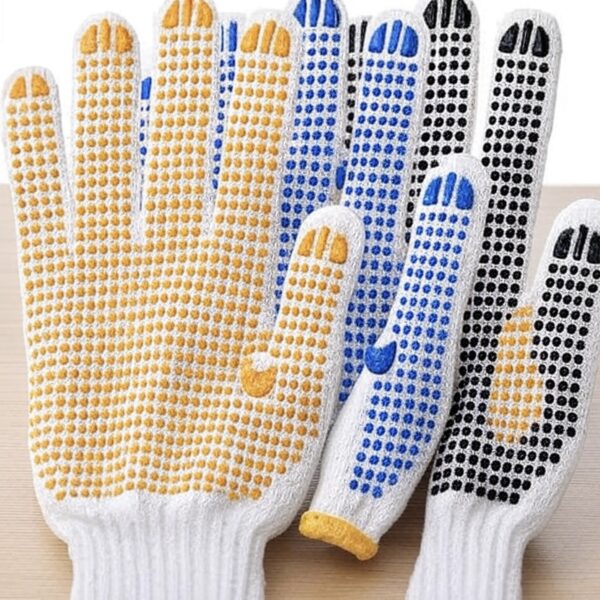
Dotted Glove
The benefits of Dotted Gloves:
- Applications include assembly of electronics and semiconductor devices.
- Using gloves reduces scratches, fingerprints, and marks on handled components.
- Elasticized wrist to provide maximum comfort and are sweat absorbent.
- Surface resistivity of 10^(6) – 10^(9) ohms/square.
- These gloves can be washed at 40°C .
- Reusable after washing for up to 100 times.
- Lint free and safe for use in EPAs.
- Finger and palm dotted PU coating.
- Conforms to IEC-61340-1-5 International Standard.
- They are also CE, RoHS and REACH Compliant
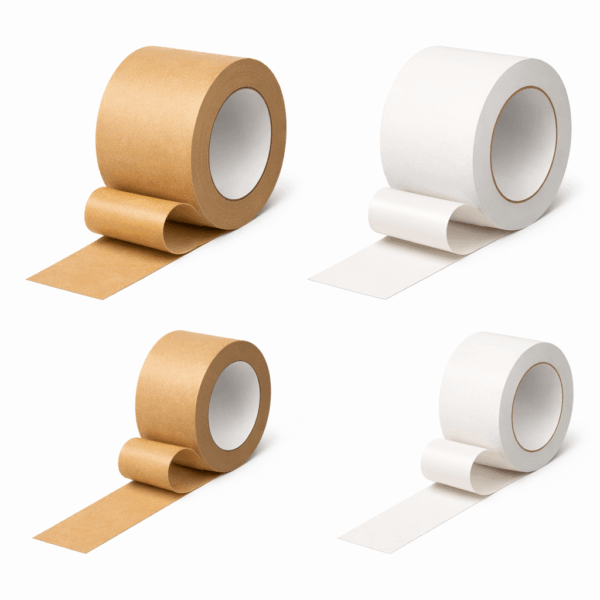
Double Sided Flatback Paper Tape
Its balanced adhesion, flexibility, and professional finish make it an ideal choice for mounting, splicing, and temporary or semi-permanent bonding tasks. This tape is available in different types such as rubber-based double sided flatback paper tape, acrylic adhesive paper tape, high-tack grades, and removable or repositionable versions, this product is engineered to suit diverse performance needs. The main components include a flatback paper backing, solvent or hot-melt adhesive coatings on both sides, and a silicone-treated release liner for clean unwind. Double sided flatback paper tape is widely used in carpet and flooring installation, paper and film splicing, envelope and bag sealing, signage mounting, printing and packaging industries, and general assembly. Technically, it offers good shear strength, uniform thickness, easy hand tear, clean cutting, and reliable adhesion on paper, cardboard, plastics, wood, metal, and painted surfaces. Its flat and stable construction helps prevent curling and ensures accurate positioning.
Double sided flatback paper tape is supplied in standard rolls, jumbo rolls, and custom-slit sizes to meet manual and automated application requirements. Packaging options include shrink-wrapped rolls, cartons, and palletized bulk shipments for large-scale users. With advantages such as cost efficiency, easy application, consistent quality, and clean bonding performance, double sided flatback paper tape is a practical and professional adhesive solution. Its versatility and dependable performance make it a preferred choice for packaging, converting, and industrial bonding applications.
Dried Apricots
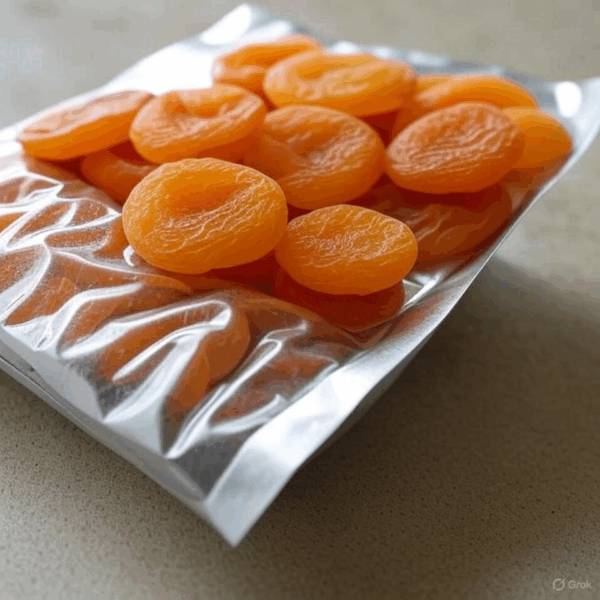
Commercial Dried Apricots are offered in several forms and grades, including whole pitted apricots, whole unpitted apricots, diced dried apricots, chopped apricots, sliced apricots, and smaller industrial cuts. Whole pitted grades are widely used as ready-to-eat snacks, while diced, chopped, and sliced forms are commonly incorporated into cereals, granola, bakery products, confectionery, energy bars, desserts, trail mixes, and fruit blends. Premium grades are generally selected for retail presentation because they provide larger, more uniform, visually attractive fruits with consistent texture and color. Standard and industrial grades can be suitable for further processing where appearance is less important and cost efficiency is a major consideration. Dried apricots can be packed in bulk cartons, food-grade bags, vacuum packs, polyethylene-lined boxes, stand-up pouches, retail bags, or customized packaging according to market and handling requirements. Packaging sizes may range from small retail packs to 5 kg, 10 kg, 12.5 kg, 20 kg, and 25 kg bulk formats, depending on the supplier and buyer requirements.
Dried Apricots are widely used in the food and beverage industry because they can be consumed directly or incorporated into a broad range of products. Major applications include snack foods, breakfast cereals, muesli, granola, bakery fillings, cakes, cookies, pastries, confectionery, chocolate products, desserts, jams, fruit preparations, sauces, trail mixes, and nutritional or energy bars. Food processors can use different grades according to the required particle size, appearance, sweetness, softness, and processing method.
Dried Fig
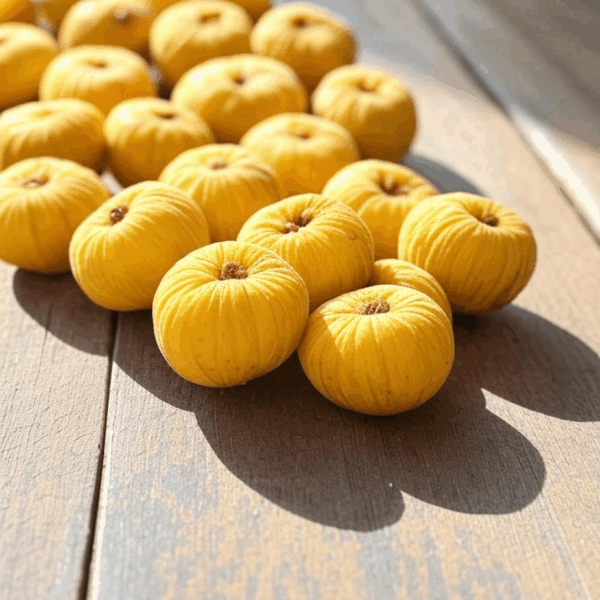
Commercial Dried Fig is typically graded by size and quality to meet different market and application requirements. Larger and visually uniform whole figs are generally positioned as premium grades for retail, gift packs, hotels, and direct consumption, while medium and smaller grades can be suitable for industrial processing, bakery products, cereals, snack mixes, fillings, and confectionery. Depending on the supplier and market specification, sizing may be expressed by approximate fruit count per kilogram, with lower fruit counts generally indicating larger figs. Dried figs can have a soft, chewy, and slightly fibrous texture, while properly controlled drying helps maintain their natural flavor and prevents excessive hardening. Typical commercial moisture content may vary according to variety, drying conditions, customer requirements, and packaging specifications, with many products supplied within an approximate range of 18% to 25%. Dried figs can be supplied with or without stems and may be offered as conventional or specially processed products depending on customer requirements. Packaging options include bulk cartons, food-grade plastic bags, vacuum packs, laminated pouches, retail boxes, trays, and larger industrial packs, with packaging sizes commonly ranging from 250 g and 500 g retail units to 1 kg, 5 kg, 10 kg, and larger bulk formats. Proper packaging helps protect the product from moisture absorption, contamination, physical damage, and quality deterioration during storage and transportation.
Dried Figs are used across a wide range of food and ingredient applications because of their natural sweetness, distinctive flavor, convenient storage, and versatile texture. They can be consumed directly as a healthy snack or incorporated into breakfast cereals, muesli, granola, trail mixes, energy bars, bakery products, cakes, cookies, biscuits, pastries, jams, fruit fillings, desserts, confectionery, sauces, and other processed foods. Diced and sliced dried figs are particularly suitable for industrial food formulations where controlled particle size and consistent ingredient distribution are required. Whole dried figs are commonly used for retail consumption, premium snack products, foodservice, and specialty food applications. Dried figs can also be processed into pastes, fillings, purees, powders, and other value-added ingredients for industrial food production.
Dried Fruits
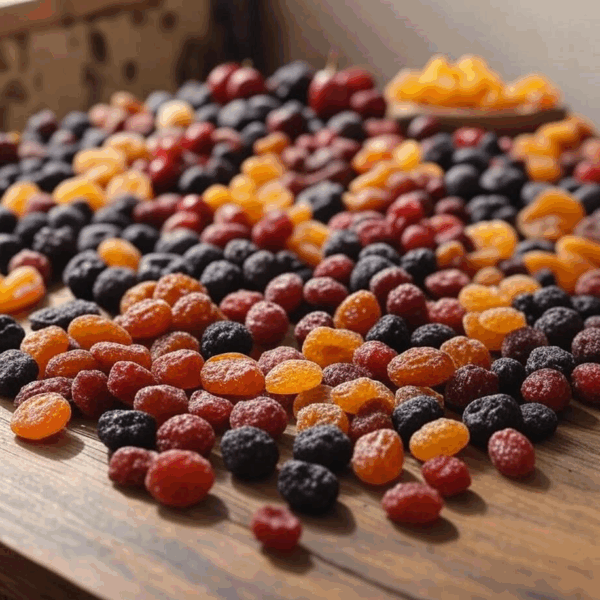
Dried fruits are popular as snacks and as part of a wholesome healthy nutrition plan. They are also in high demand from chefs, bakers, and cooks who use them in many of their edible creations.
At facilities in in modern factories in Iran , top-notch drying equipment are used that allows us to extract as much moisture as possible without taking away from the fruit’s natural goodness. The drying process that is used is only as good as the fruits that are harvested and at Sunrise Fresh.
Whole Fruits, Sliced, Diced, or Pureed , Whichever you want contact us
The way fruits are dried will depend on their size and texture. Berries, for example, are small enough that they may be dried whole. Apples and pears, on the other hand, are rather thick and won’t dry properly unless they are sliced. Slicing and dicing fruits for drying makes them the ideal size and texture for certain recipes. There are also some fruits that can be pureed and blended together to create fruit leathers.