

 Arabic
shop
Diethanolamine (DEA)
Diethanolamine is extensively used in gas sweetening and chemical processing as an absorbent for acidic gases such as hydrogen sulfide (H2S) and carbon dioxide (CO2), particularly in natural gas and refinery operations. It is also used in the manufacture of detergents, surfactants, emulsifiers, corrosion inhibitors, metalworking fluids, textile chemicals, and specialty chemicals. In personal care and cleaning formulations, DEA can function as a pH regulator, emulsifying component, and intermediate for producing surfactants and other formulation ingredients, subject to applicable regulatory requirements. Additional applications include cement and concrete additives, agrochemical formulations, polyurethane-related chemistry, rubber processing, lubricants, and industrial cleaners. Available commercial forms may include standard Diethanolamine, high-purity DEA, and application-specific grades manufactured to meet defined chemical and physical specifications. The product is commonly supplied in liquid form, although its physical state can change with temperature because DEA has a relatively high melting point.
For industrial B2B supply, Diethanolamine is typically packed in HDPE drums, steel drums, IBC tanks, or bulk tank containers, depending on order volume, transportation requirements, and supplier capability. Common packaging sizes may include 25 kg or 200 kg drums and approximately 1,000 kg IBC containers, while bulk deliveries are suitable for large-scale industrial consumers. Important purchasing parameters include DEA purity, water content, color, density, melting point, alkalinity, amine value, impurity profile, packaging type, and quantity. Proper storage should protect the material from excessive heat, moisture, and incompatible substances, while handling should follow the applicable safety requirements for industrial chemicals. Selection of the correct Diethanolamine grade and concentration is important for achieving consistent performance in gas treatment, chemical synthesis, detergent production, surfactant manufacturing, and other industrial applications.
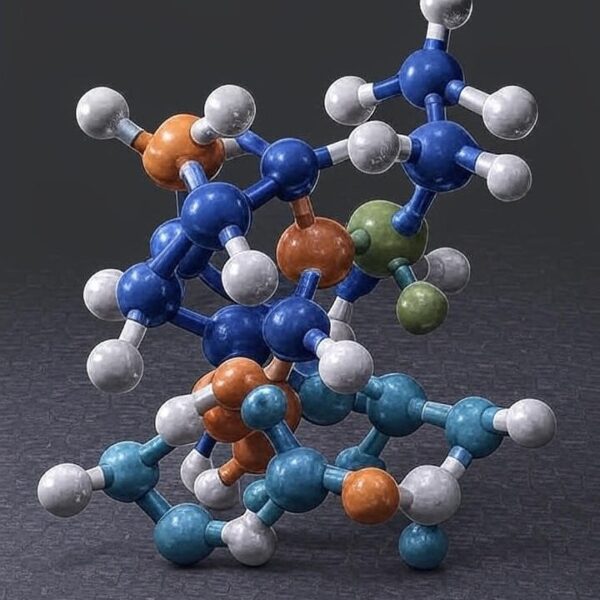
Diethylene Glycol
Diethylene Glycol has a broad range of industrial applications across chemical manufacturing, plastics, coatings, adhesives, textiles, printing, and other processing industries. It is widely used as a solvent and intermediate in the manufacture of unsaturated polyester resins, alkyd resins, plasticizers, polyurethane-related products, and specialty formulations. In the coatings and adhesive industries, DEG can improve solvency, flow, and formulation performance, while in textile and printing applications it can function as a processing solvent and formulation component. It is also used in brake fluids and hydraulic fluid formulations where its physical and solvency properties are suitable for the specified formulation. Other applications include heat-transfer fluids, gas dehydration processes, chemical intermediates, and selected industrial cleaning and processing formulations. Depending on the production source and specification, commercial Diethylene Glycol may be offered as industrial grade, high-purity grade, or application-specific material, with purity, water content, acidity, color, and other parameters adjusted to meet particular manufacturing requirements.
For B2B procurement, Diethylene Glycol is commonly available in bulk and packaged forms suitable for industrial transportation and storage. Standard commercial packaging may include 200 kg steel drums, 220 kg drums, 1,000 kg IBC tanks, and bulk tanker deliveries for large-volume customers. Packaging options can vary according to supplier, destination, order volume, and handling requirements. Buyers should select the appropriate DEG grade based on purity, water content, color, acidity, density, boiling range, and the requirements of the final application. Consistent quality is particularly important for resin production, chemical synthesis, coatings, and formulations where variations in raw material properties can affect production efficiency and final product performance. Diethylene Glycol is therefore a versatile industrial chemical suitable for manufacturers seeking a reliable solvent, processing aid, or chemical intermediate across a wide range of commercial applications.
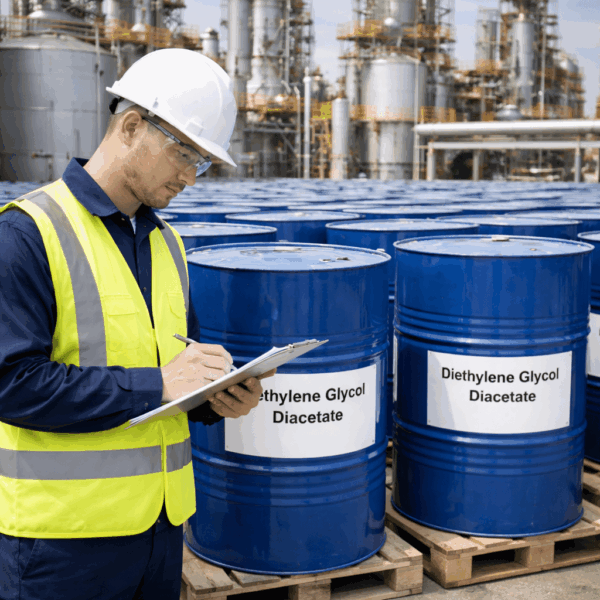
Diethylene Glycol Diacetate
Diethylene Glycol Diacetate,In industrial applications, is particularly relevant to coating and paint formulations where solvent balance has a direct effect on viscosity, flow, leveling and surface appearance. It can be used as a coalescing or solvent component in selected coating systems and can support the dissolution or dispersion of compatible resins and additives. In printing inks, its solvency and evaporation profile can contribute to formulation stability, print quality and controlled drying. The material is also used in selected adhesive formulations, industrial cleaners and specialty chemical systems where a high-boiling organic solvent is required. Depending on formulation chemistry, it may be considered for acrylic, alkyd, polyurethane and other resin systems, although compatibility should always be confirmed through formulation testing. Commercially available material is normally supplied according to manufacturer-specific purity and application requirements rather than as numerous universally standardized grades. Industrial-grade Diethylene Glycol Diacetate is commonly selected for general solvent applications, while higher-purity material can be specified for formulations requiring tighter limits on water, acidity, color or other impurities. Some suppliers may also offer customized specifications for particular coating, ink, adhesive or chemical-processing applications. The principal advantages of Diethylene Glycol Diacetate include strong solvency for compatible organic compounds, a high boiling point, controlled evaporation, useful resin compatibility and its ability to contribute to smooth application and film formation. These properties make it a valuable component when formulators need to adjust solvent strength and evaporation behavior without relying entirely on highly volatile solvents.
Because specifications can vary between manufacturers, buyers should define the required grade and acceptance limits before purchase, particularly for applications involving sensitive resin systems or controlled coating and ink formulations. Proper storage should normally be carried out in tightly closed, compatible containers in a cool, dry and well-ventilated area away from incompatible materials and sources of ignition, following the supplier’s current Safety Data Sheet. During international trade, packaging, labeling, transport classification and documentation should comply with the regulations applicable to the origin and destination countries. Diethylene Glycol Diacetate is therefore positioned as a versatile specialty solvent for manufacturers seeking controlled evaporation, effective solvency and reliable formulation performance. Its combination of physical properties makes it commercially relevant to paints and coatings, printing inks, adhesives, industrial cleaning products and specialty chemical formulations. For buyers seeking Diethylene Glycol Diacetate for wholesale export, the appropriate product should be selected according to chemical composition, purity, application, required specification, packaging and destination requirements, with technical confirmation performed before large-scale procurement.
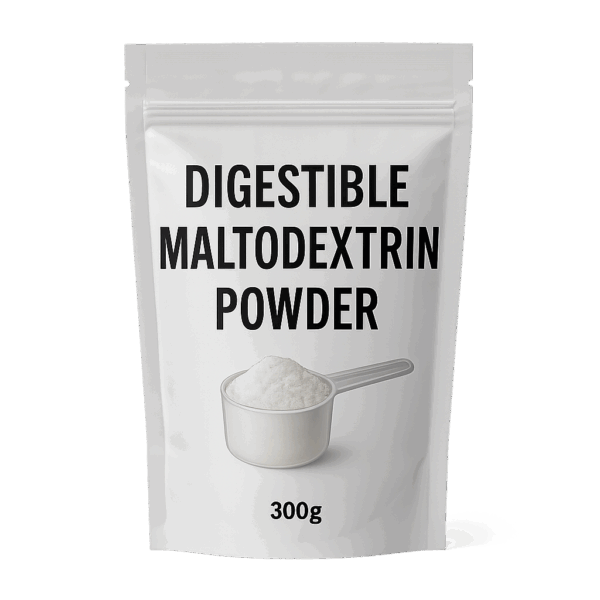
Digestible Maltodextrin
The production of digestible maltodextrin begins with the preparation and purification of a suitable starch source, followed by controlled gelatinization and enzymatic hydrolysis that breaks long starch molecules into shorter glucose polymers. Enzymes such as alpha-amylase are commonly used during liquefaction, while additional enzymatic treatment can be applied to achieve the desired DE value and functional profile. After hydrolysis, the resulting syrup is purified, concentrated, and commonly spray-dried to produce a stable, free-flowing maltodextrin powder. Manufacturing conditions are carefully controlled to obtain consistent carbohydrate composition, solubility, moisture level, color, and microbiological quality. Commercially available types include low-DE maltodextrin, which is particularly useful for bulking, texture modification, and solids enhancement; medium-DE maltodextrin, widely used in beverages, bakery products, dairy preparations, and nutritional formulations; and higher-DE maltodextrin, which provides faster carbohydrate availability and is frequently selected for sports nutrition, energy products, powdered drinks, and specialized food applications.
Digestible maltodextrin offers several advantages for manufacturers, including rapid digestibility, excellent water dispersibility, low viscosity, neutral flavor, good compatibility with other ingredients, and efficient contribution to total carbohydrate solids. It is widely used in sports nutrition powders, energy drinks, meal replacements, nutritional supplements, infant and specialized nutrition products, bakery mixes, confectionery, dairy products, instant beverages, sauces, soups, and powdered food formulations. In sports and nutrition applications, its rapidly available carbohydrate profile can support formulations designed for convenient energy delivery, while in food manufacturing it can improve body, mouthfeel, powder structure, and formulation stability. Maltodextrin is also commercially attractive because its properties can be tailored through DE selection, allowing manufacturers to choose a grade according to sweetness, viscosity, solubility, carbohydrate profile, and processing requirements.
Digestion Resistant Maltodextrin
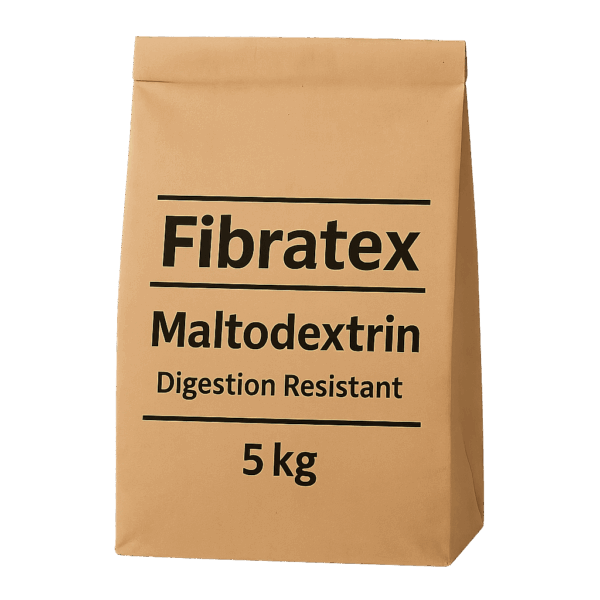
During production, selected starch raw materials are purified and converted under carefully controlled enzymatic conditions, followed by filtration, concentration, drying, and quality-control processes designed to achieve consistent molecular and functional characteristics. Advanced processing can be used to control the proportion of resistant carbohydrates, moisture, particle size, solubility, and other parameters required for commercial applications. Digestion Resistant Maltodextrin is available in powder grades for dry blending, instant food formulations, nutrition products, bakery systems, dairy and dairy-alternative products, beverages, nutritional bars, cereals, confectionery products, and meal-replacement formulations. Depending on the intended application, manufacturers may select standard soluble-fiber grades, high-fiber grades, instant-dispersing grades, or application-specific grades optimized for beverages, powdered mixes, bakery products, or nutritional formulations. Its technical advantages include good water solubility, relatively low sweetness, mild sensory impact, convenient handling, compatibility with many food systems, and the ability to contribute dietary fiber while supporting formulation flexibility. These properties make Digestion Resistant Maltodextrin a practical ingredient for manufacturers developing functional foods, fiber-enriched products, and modern nutrition-oriented formulations.
For food manufacturers, ingredient distributors, nutrition companies, and international buyers, selecting a consistent commercial grade with reliable documentation and batch-to-batch quality is essential for successful formulation and regulatory compliance. As demand for fiber-enriched foods continues to grow, Digestion Resistant Maltodextrin offers manufacturers a versatile functional ingredient for developing convenient products with improved nutritional positioning while maintaining practical processing and sensory characteristics.
Digestive Biscuits
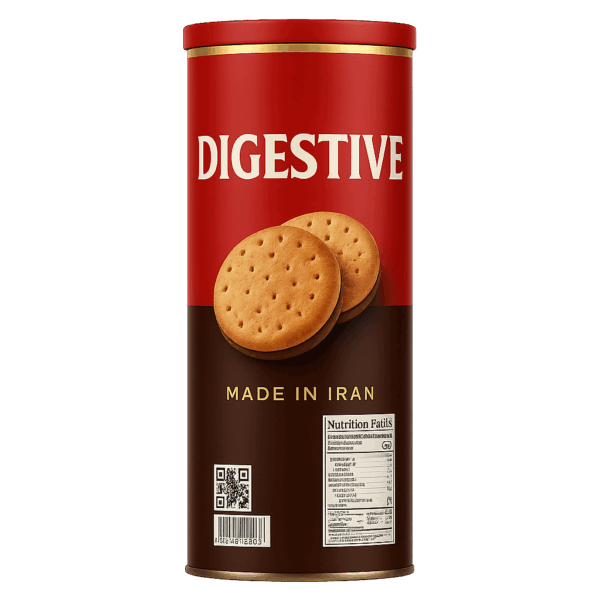
Digestive Biscuits are supplied in various commercial sizes and packaging formats including individual packs, family packs, multipacks, cartons, and bulk export cartons. Standard retail weights commonly include 50 g, 100 g, 200 g, 250 g, 300 g, 400 g, 500 g, and customized private label packaging according to buyer requirements. Original Digestive Biscuits are suitable for general consumption, supermarkets, hotels, and food service channels, while Whole Wheat and High Fiber grades are preferred for health-conscious consumers looking for increased dietary fiber intake. Sugar-Free Digestive Biscuits are developed for customers seeking reduced sugar products, Chocolate Coated Digestive Biscuits are popular as premium snack items, and Gluten-Free Digestive Biscuits serve consumers with specific dietary preferences. These products are suitable for export markets, retail distribution, online food stores, cafeterias, and professional food supply chains.
High-quality Digestive Biscuits offer several advantages including long shelf life, excellent crunchiness, convenient packaging, consistent taste, easy storage, and wide consumer acceptance worldwide. The production process focuses on maintaining product safety, freshness, and uniform quality through advanced baking technology and strict quality control systems. Export-grade Digestive Biscuits are available with customized recipes, private labeling options, and packaging solutions to meet different international market standards. Due to their popularity as a convenient snack and their compatibility with tea, coffee, and breakfast applications, Digestive Biscuits represent a valuable product category for global food importers, wholesalers, distributors, and retail chains seeking reliable bakery products.
Dimethoxymethane (Methylal)
Dimethoxymethane is available in industrial grade, technical grade, and high-purity grade, typically with purity levels ranging from 99.0% to 99.9%. It is extensively used as a solvent for paints, varnishes, inks, adhesives, and cleaning formulations, as well as a carrier solvent in aerosol products. In the pharmaceutical and agrochemical sectors, methylal serves as a reaction solvent and intermediate, while in fuel and energy applications it is studied as an oxygenated fuel additive due to its clean-burning properties. Chemically, dimethoxymethane has the molecular formula C₃H₈O₂, low boiling point (~42°C), low density, and excellent miscibility with alcohols, ethers, and many organic solvents. Its low residue formation, good hydrolytic stability under controlled conditions, and strong dissolving capacity contribute to consistent and reliable process performance.
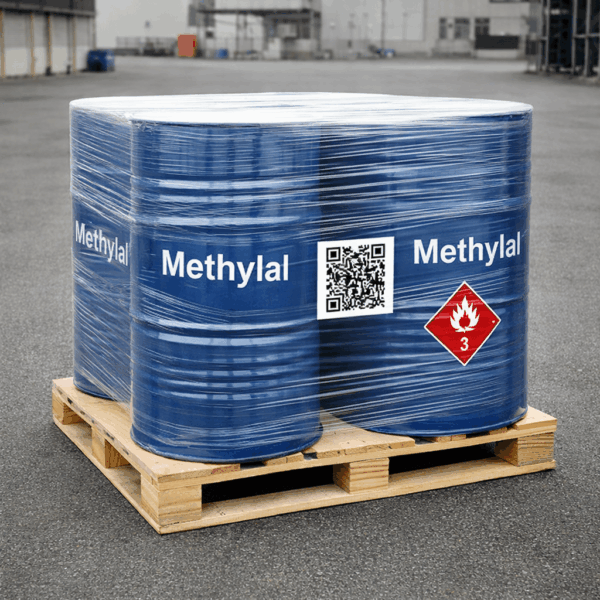
Dimethoxymethane is commercially supplied in steel drums, HDPE drums, IBC tanks, and bulk ISO tanks, ensuring safe transportation and storage. Standard packaging includes 160–200 kg drums and 1,000 kg IBCs, with customized bulk delivery available for large industrial consumers. With proper handling, controlled storage conditions, and compliance with international safety standards, methylal offers a long shelf life and stable quality. As a cost-effective, high-purity, and versatile solvent, dimethoxymethane continues to be a valuable raw material for coatings, chemicals, pharmaceuticals, and advanced industrial applications.
Dimethyl Siloxane
It is extensively used as a base fluid in silicone oils, antifoaming agents, release agents, lubricants, hydraulic fluids, and personal care formulations. Chemically, Dimethyl Siloxane consists of repeating siloxane units with methyl side groups, offering excellent resistance to oxidation, moisture, and UV exposure. Key technical properties include high thermal stability, low volatility, electrical insulating behavior, water repellency, and excellent compatibility with many additives and fillers. These features make it suitable for applications in textiles, coatings, automotive components, electronics, food-grade processing systems, and cosmetics.
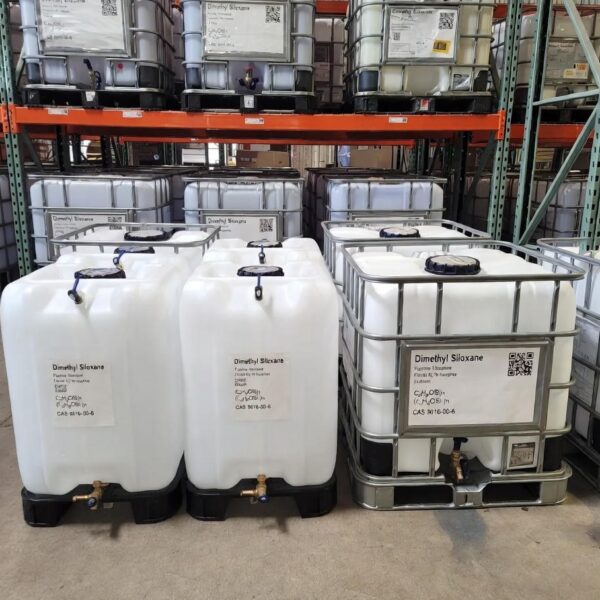
Dimethyl Siloxane is supplied in a wide range of commercial packaging options to support different production scales, including 1 kg and 5 kg containers for laboratory use, 25 kg plastic pails, 200 kg steel or HDPE drums, and bulk tanker or ISO tank deliveries. It offers long shelf life, stable performance under storage, and consistent batch quality. With its broad application range, adjustable viscosity, and superior physical properties, Dimethyl Siloxane remains a preferred silicone solution for manufacturers seeking high efficiency, reliability, and advanced performance in modern industrial and specialty products.
Dimethyl terephthalate (DMT)
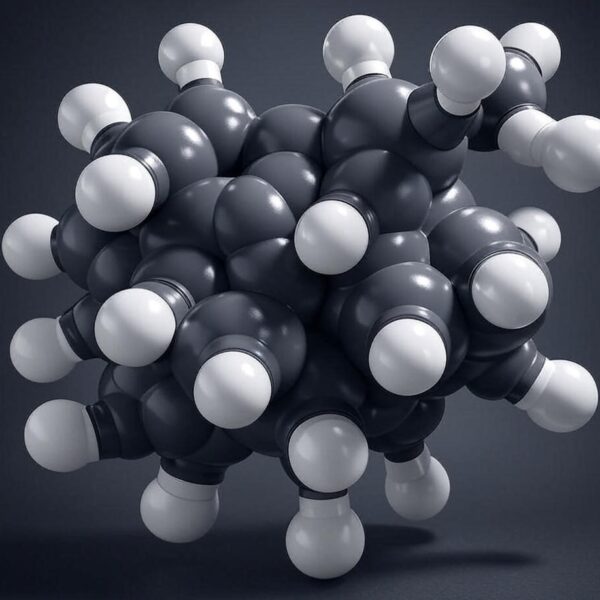
In polyester manufacturing, Dimethyl Terephthalate reacts with glycols such as ethylene glycol or 1,4-butanediol through transesterification and subsequent polycondensation to produce polymers with controlled molecular weight and performance characteristics. DMT is particularly suitable for applications requiring consistent feedstock quality, including polyester fibers, industrial yarns, textile materials, PET films, packaging materials, engineering plastics, and specialty polyester resins. Depending on the production route and customer requirements, commercial DMT may be available in standard industrial grade and high-purity grades, with purity, color, moisture, acidity, ash, and impurity levels being important purchasing parameters. The material is generally supplied in solid crystalline form and should be protected from contamination and excessive moisture during storage and transportation. Its physical form also allows practical handling, weighing, and controlled feeding into industrial production systems.
Commercial Dimethyl Terephthalate is commonly packed in moisture-resistant bags, multi-wall paper bags with suitable inner liners, flexible intermediate bulk containers (FIBC/Big Bags), or other industrial packaging designed to protect the crystalline material during storage and transportation. Packaging sizes can vary according to producer and buyer requirements, with bulk packaging commonly selected for large-scale polyester and polymer manufacturing plants. DMT is used across several major industries, including textile fibers, PET and polyester resin production, plastic films, packaging, engineering plastics, automotive components, electrical and electronic parts, and specialty polymers. Its combination of high purity, defined melting behavior, and reliable reactivity makes Dimethyl Terephthalate an important commercial feedstock for manufacturers seeking consistent polyester production and controlled polymer properties.
Dioctyl Phthalate (DOP)
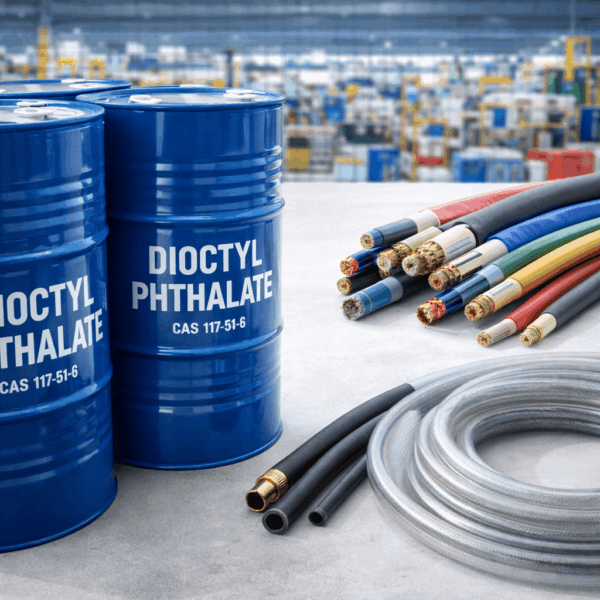
Industrial Grade DOP is mainly used as a primary plasticizer for flexible PVC products such as cables, wires, hoses, flooring materials, artificial leather, films, sheets, profiles, and synthetic leather. Electrical Grade DOP offers improved insulation properties and is preferred for manufacturing PVC electrical cables, wire coatings, and insulating materials where excellent dielectric strength and durability are required. High Purity DOP is produced for applications requiring better color stability, lower impurities, and consistent performance in sensitive industrial processes. Specialty DOP grades are used in rubber compounds, adhesives, sealants, paints, coatings, printing inks, and other polymer systems where flexibility, softness, and long-term performance are essential. Dioctyl Phthalate provides outstanding advantages including excellent low-temperature flexibility, high plasticizing efficiency, good processing characteristics, thermal stability, durability, and cost effectiveness.
DOP is available for international wholesale export in different commercial packing options including bulk shipment, ISO tanks, flexitanks, steel drums, and IBC containers according to customer requirements. The product is widely supplied to PVC manufacturers, cable producers, flooring industries, plastic processors, automotive component manufacturers, and chemical formulators worldwide. With its proven performance as a versatile PVC plasticizer, Dioctyl Phthalate remains an important raw material for flexible polymer production. Export-quality DOP is typically supplied according to international standards with controlled viscosity, purity, color, ester content, and specific gravity to ensure reliable performance in various manufacturing applications.
Dioctyl Terephthalate (DOTP)
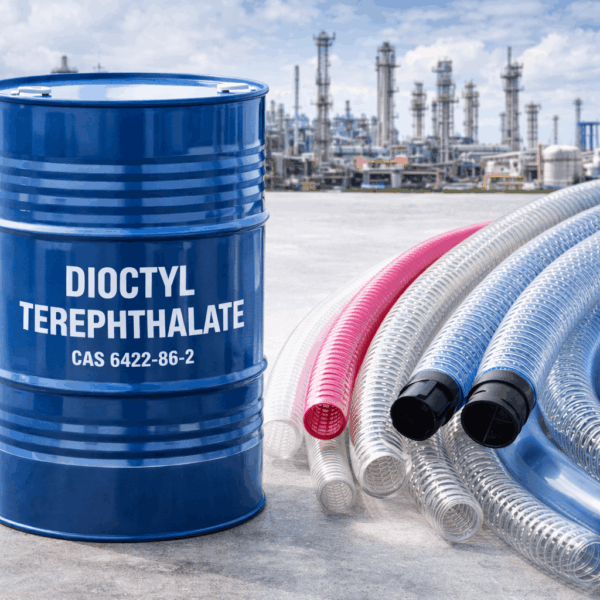
DOTP plasticizer is mainly supplied in bulk quantities, tank containers, ISO tanks, drums, and IBC containers depending on export requirements. Industrial grade DOTP is commonly used for flexible PVC products such as cables, wires, flooring, artificial leather, PVC films, sheets, profiles, and construction materials where high flexibility and durability are required. High-purity DOTP grades are preferred for applications requiring excellent color stability, low odor, and strict quality control, including medical tubing, packaging films, toys, and specialized polymer products. Low-volatility DOTP grades provide enhanced resistance against migration, evaporation, and aging, making them suitable for automotive interiors, electrical insulation, and long-life PVC applications. Due to its excellent electrical properties, thermal stability, and resistance to extraction, DOTP is also widely used in PVC compounds, sealants, coatings, adhesives, and elastomer formulations.
The major advantages of Dioctyl Terephthalate (DOTP) include superior plasticizing efficiency, excellent compatibility with PVC, high flexibility retention, low migration tendency, good heat resistance, strong electrical insulation properties, and improved environmental performance compared with conventional phthalate-based plasticizers. DOTP provides excellent mechanical properties to finished PVC products, including softness, elongation, durability, and resistance to weathering and chemicals. It is widely recognized as a reliable non-phthalate plasticizer for global markets due to its compliance with modern environmental regulations and increasing demand for safer polymer additives. Export-quality DOTP is manufactured according to international standards with controlled viscosity, purity, color, and acid value to meet the requirements of various industries including construction, automotive, electrical, consumer goods, and industrial manufacturing.
Dipentaerythritol
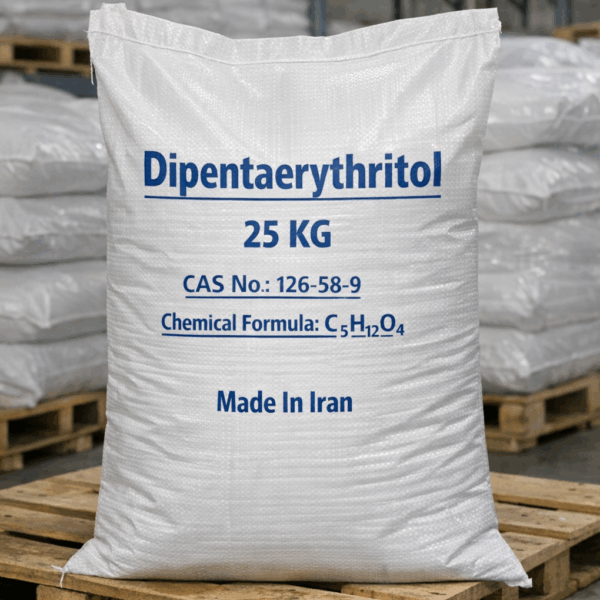
The industrial production of Dipentaerythritol is mainly carried out through the controlled condensation reaction of formaldehyde and acetaldehyde in the presence of alkaline catalysts, followed by purification, crystallization, filtration, and drying processes to achieve the desired quality and purity. During the manufacturing process, advanced separation technologies are applied to remove impurities and obtain a stable product with consistent hydroxyl value, moisture content, and chemical performance. Commercially available Dipentaerythritol grades include standard industrial grade, high-purity grade, and specialty grades designed for applications requiring enhanced performance, lower impurity levels, and superior compatibility with other chemical components.
Dipentaerythritol is widely used in the production of alkyd resins, polyurethane systems, epoxy formulations, UV-curable coatings, high-performance paints, adhesives, printing inks, and synthetic lubricants. It is also used as a crosslinking agent for coatings and resins due to its multiple hydroxyl groups, which improve hardness, durability, chemical resistance, and weather stability. The advantages of Dipentaerythritol include excellent thermal resistance, high functionality, good compatibility, low volatility, and improved mechanical properties in final products. As a reliable industrial chemical, Dipentaerythritol is supplied for wholesale export in various packaging options and specifications to serve manufacturers in coatings, plastics, automotive, construction, and chemical processing industries.