

 Arabic
shop
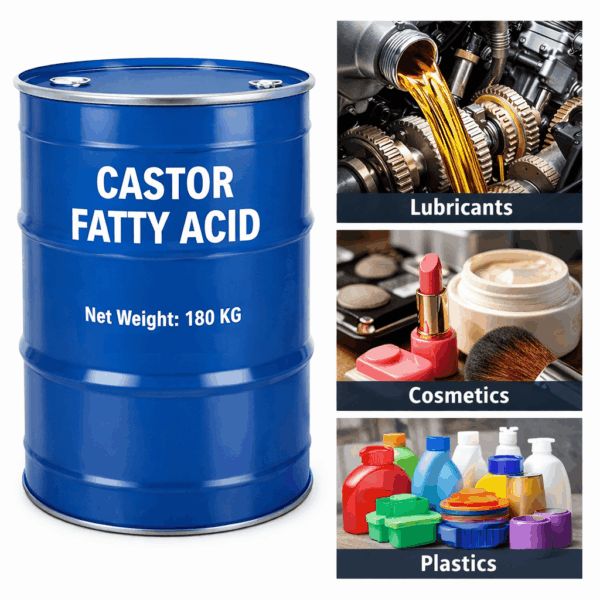
Castor Oil Fatty Acids
Typical technical specifications include acid value, hydroxyl value, iodine value, moisture content, and color (APHA), ensuring consistent quality and processing reliability. These fatty acids perform exceptionally well in esterification, neutralization, and polymer modification processes. Their unique hydroxyl functionality enhances solubility and compatibility in complex chemical systems. Products are commonly supplied in drums, IBCs, flexitanks, and bulk tankers to support global commercial distribution.
Castor Oil Fatty Acids are extensively used in lubricants and metalworking fluids, coatings and resins, polyurethanes, rubber and plastic additives, cosmetics and personal care products, surfactants, and chemical intermediates. They are also applied in specialty greases and high-performance industrial formulations. With stable global demand, strong technical performance, and sustainable sourcing, Castor Oil Fatty Acids remain a preferred solution for manufacturers seeking high-value, bio-based fatty acids for specialized applications.
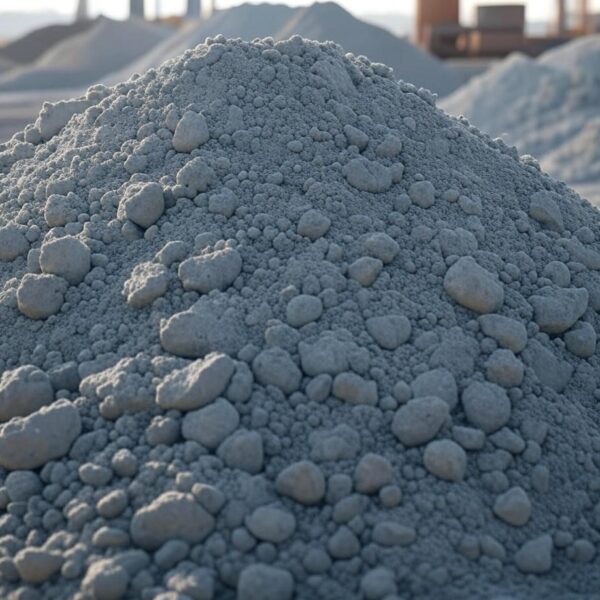
Cement Clinker
Cement Clinker is available in various commercial grades and types depending on chemical composition, mineral phase content, and intended cement application. Common commercial types include Ordinary Portland Cement (OPC) Clinker, Sulfate Resistant Cement Clinker, Low Alkali Clinker, White Cement Clinker, and specialized clinker grades for high-performance cement production. The main characteristics of quality clinker include high compressive strength development, consistent chemical composition, low moisture content, excellent grindability, and stable performance during cement manufacturing. Properly produced clinker ensures improved cement durability, strength, and long-term construction performance.
Cement Clinker is mainly used for manufacturing Portland cement, blended cement, high-strength cement, infrastructure cement, and specialty construction materials. It is widely applied in residential buildings, commercial projects, bridges, highways, dams, tunnels, and large-scale industrial constructions. Commercial Cement Clinker is available in different sizes and packaging options, including bulk shipment, jumbo bags, and containerized supply according to buyer requirements. Reliable sourcing of high-quality Cement Clinker requires evaluation of chemical specifications, production capacity, export experience, and compliance with international quality standards.
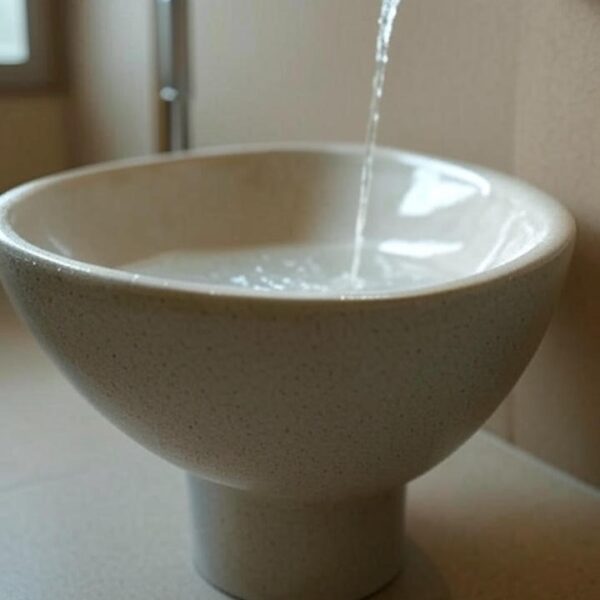
Ceramic Hand Wash Basin
Available in various designs, shapes, and installation types, Ceramic Hand Wash Basins can meet different interior design requirements and construction standards. Commercially available models include countertop basins, wall-mounted basins, under-counter basins, pedestal basins, semi-recessed basins, corner basins, and integrated vanity basins. They are produced in different sizes, colors, and surface finishes, with white glazed ceramic being the most common option due to its clean appearance and easy maintenance. Customized designs and OEM production are also available for international buyers and large-scale projects.
Ceramic Hand Wash Basins offer excellent mechanical strength, chemical resistance, easy cleaning, and aesthetic flexibility. Their non-porous glazed surface prevents bacteria accumulation and ensures better hygiene performance compared with many alternative materials. These products are supplied with different specifications, packaging options, and quality grades according to customer requirements. Export-quality ceramic wash basins are suitable for global markets and can be supplied for construction companies, sanitary ware distributors, wholesalers, and project contractors looking for reliable bathroom solutions.
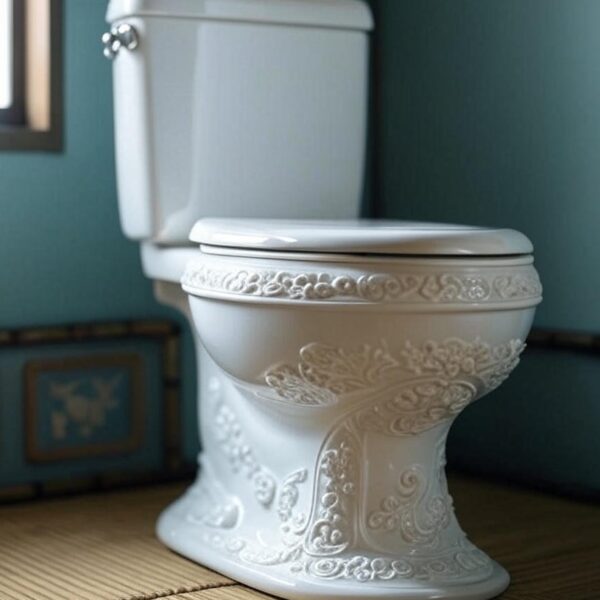
Ceramic Toilets – Western Type
Ceramic Toilets – Western Type are produced using advanced ceramic forming and high-temperature firing processes to achieve superior strength, low water absorption, and excellent resistance against stains, chemicals, and daily wear. Their glazed surfaces allow easy cleaning and prevent the accumulation of bacteria and dirt, making them suitable for hygienic bathroom environments. Commercially available models include standard close-coupled toilets, dual flush toilets, water-saving toilets, smart toilet compatible designs, and luxury bathroom solutions. These products can be supplied in different shapes, sizes, colors, flushing systems, and packaging options according to customer requirements.
Western Type Ceramic Toilets are widely used in residential buildings, hotels, apartments, shopping centers, hospitals, offices, and industrial facilities. Their modern appearance, efficient flushing performance, and reliable ceramic structure make them an essential component of contemporary sanitary installations. Export-quality ceramic toilets are supplied with different accessories such as toilet seats, flushing mechanisms, fixing kits, and customized branding options for international buyers. Manufacturers and suppliers can provide OEM production, private labeling, and bulk export solutions for distributors, contractors, and construction companies worldwide.
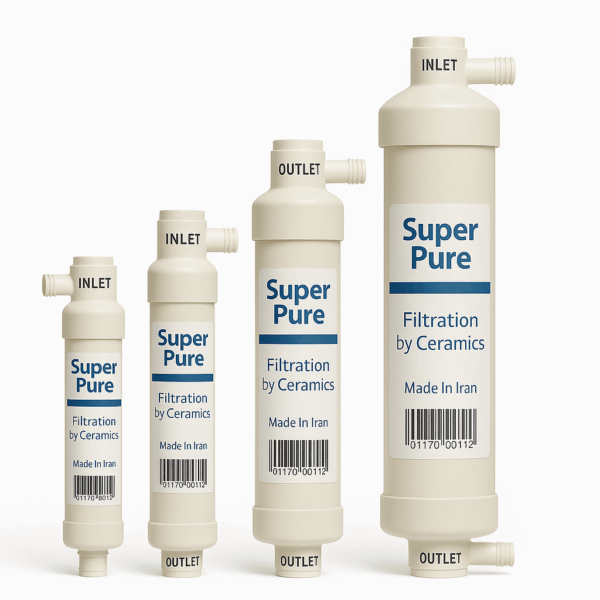
Ceramic Water Filter
Manufactured from high-grade diatomaceous earth and kaolin clay, Ceramic water filters feature a porous structure with a pore size between 0.1 and 0.5 microns. They come in a variety of types, including candle-type filters, dome-type filters, and cartridge-style filters, and are available in sizes ranging from 5 to 12 inches. Some models include a silver-impregnated layer for enhanced antibacterial protection, while others are combined with activated carbon or ion-exchange resins for chemical adsorption. The chemical composition mainly consists of silica (SiO₂), alumina (Al₂O₃), and magnesium oxide (MgO), ensuring thermal stability and mechanical strength. Each unit is tested to meet NSF and ISO drinking water standards, offering a consistent flow rate of 1–3 liters per hour under normal pressure conditions.
Ceramic water filters are ideal for homes, laboratories, rural areas, and emergency applications. They are reusable through simple cleaning, have a long operational lifespan, and require minimal maintenance. By combining natural filtration with modern technology, these filters ensure dependable purification, high efficiency, and eco-sustainability — making them an excellent choice for anyone seeking clean, mineral-balanced water without compromising environmental responsibility.
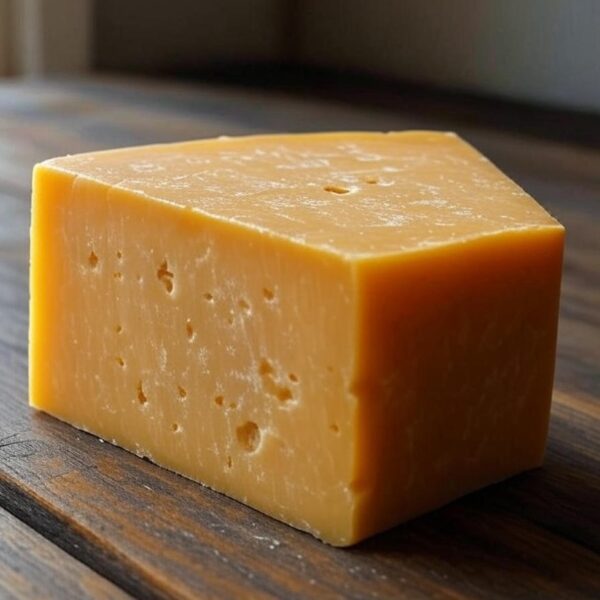
Cheddar Cheese
Cheddar is so popular cheese that comes in many variations. Its flavor can range from creamy to sharp, and its color can run between a natural white to pumpkin orange. A cheddar’s texture changes as it ages, becoming drier and more crumbly.
This hard cheese is one of the most popular on the planet, and its flavors range from mild and buttery (when aged a couple months) to sharp and biting (when aged for years).
During the Cheddar-making process, orange varieties get their color from adding dye derived from the annatto seed, a common practice in the mid-west, while paler versions don’t get any natural color additions.
Cheddar cheese is a popular type of cheese that originated in the village of cheddar in Somerset, England. It is known for its distinct flavor, versatility, and vibrant orange color. Cheddar is typically made from cow’s milk, although variations using goat’s or sheep’s milk also exist.

Cheese Curds
Cheese Curds are made from pasteurized milk, cheese culture and rennet. after the milk curdles, it is cut into cubes; the result is a mixture of whey and curd. this mixture is then cooked and pressed to release the whey, creating the final product.
Cheese Curds are bite-size solid parts and are sometimes referred to as squeaky cheese. they lose their squeaky texture after twelve hours or so, even if they are refrigerated.
fresh cheese curds are eaten as snacks, appetizers or served with jalapeño peppers, garlic, various herbs etc.
Synonyms: Squeaky Cheese, Cheeseballs, Paneer, Boivin Cheddar Curds
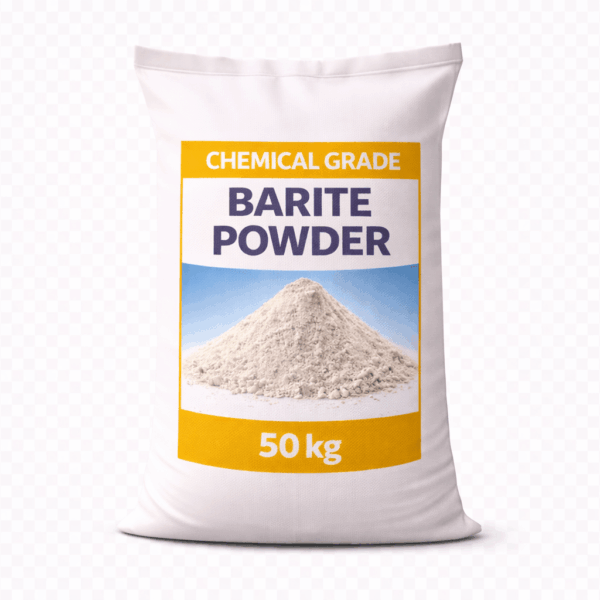
Chemical Grade Barite Powder
Commercial chemical grade barite is available in several controlled varieties, including High-Purity Barite, Low-Iron Barite, High-Whiteness Barite, and Chemical Conversion Grade Barite, classified according to BaSO₄ content, brightness, and trace metal limits. These grades are specifically designed to meet the requirements of chemical processing and barium salt production.
This grade of barite powder is primarily used in the production of barium carbonate, barium chloride, barium nitrate, lithopone pigments, and other barium-based chemicals. It is also used in glass manufacturing, ceramics, specialty fillers, and chemical catalysts, where purity and chemical inertness are essential. Key properties of chemical grade barite include high BaSO₄ purity (typically ≥95–98%), excellent chemical stability, low solubility, low iron and heavy metal content, and uniform particle size distribution. Commercial particle sizes are commonly supplied as 200 mesh and 325 mesh powders, as well as fine and micronized grades tailored for chemical conversion processes. Chemical grade barite powder is packaged in 25 kg and 50 kg woven or kraft bags, 1-ton jumbo bags, or supplied in bulk shipments, providing chemical manufacturers with a reliable, high-quality mineral raw material for consistent and efficient production.
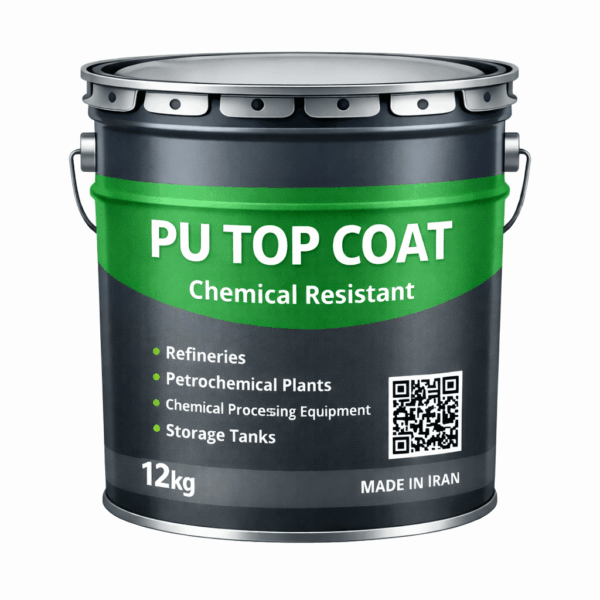
Chemical Resistant Polyurethane Top Coat
resistance and reliability are essential.
Chemical Resistant PU Top Coats are formulated based on advanced polyurethane resin systems that provide excellent adhesion, flexibility, and film integrity. After curing, they create a tightly cross-linked coating layer with low permeability to liquids and vapors. This structure delivers strong resistance to acids, alkalis, solvents, oils, fuels, and industrial cleaning chemicals. The coating also offers good abrasion resistance, impact tolerance, and stable performance under temperature variations. Smooth flow and leveling ensure uniform coverage and an attractive finish. These top coats are compatible with epoxy and polyurethane primer and interlayer systems and can be applied by spray, roller, or brush.
Chemical resistant polyurethane top coats are commonly applied on storage tanks, pipelines, chemical processing equipment, industrial floors, wastewater facilities, and steel structures exposed to corrosive environments. They perform reliably in chemical plants, refineries, power stations, and industrial workshops. The coating maintains long-term gloss and color stability while protecting substrates from chemical attack. Reduced maintenance frequency helps lower operational costs and extend asset service life. Available in various colors and gloss levels, they provide a balanced solution combining chemical protection, durability, and professional industrial appearance.
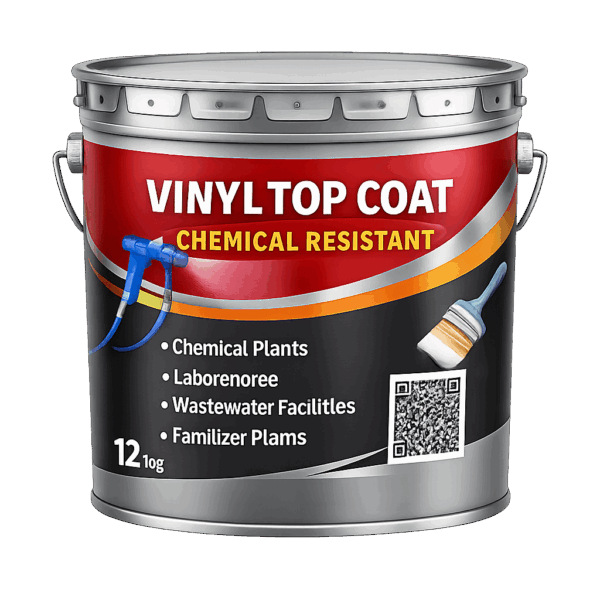
Chemical Resistant Vinyl Top Coat
It is widely used in industries where chemical durability and long-term protection are essential. From a technical perspective, chemical resistant vinyl top coat is formulated using high-quality vinyl resins that deliver excellent adhesion and film stability on properly prepared surfaces. After curing, the coating provides strong resistance to acids, alkalis, salts, solvents, and industrial cleaning agents. Its low permeability reduces chemical penetration and minimizes corrosion under the coating. The coating also offers good abrasion resistance and flexibility, allowing it to perform reliably under mechanical stress. Fast drying characteristics support efficient application by spray, roller, or brush.
Chemical resistant vinyl top coats are commonly applied on chemical storage tanks, pipelines, industrial floors, wastewater treatment facilities, and steel structures exposed to corrosive substances. They perform reliably in chemical plants, refineries, and industrial processing areas. The coating helps extend maintenance intervals and reduce downtime. It maintains protective performance under harsh operating conditions. Available in various colors and finishes to meet project requirements. Chemical resistant vinyl top coats provide a dependable solution combining chemical protection, durability, and long-term industrial performance.
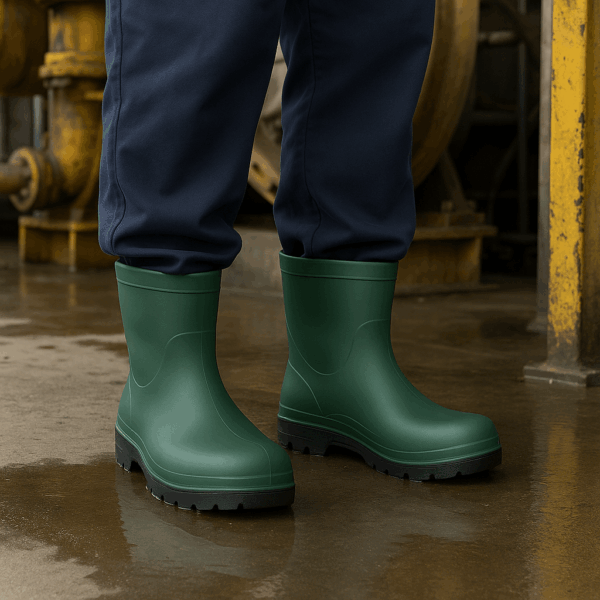
Chemical-Resistant Safety Shoes
These materials must be able to resist permeation and degradation from a variety of chemicals, offering a crucial layer of protection in industries where chemical exposure is a risk. They feature reinforced toe caps and soles to prevent spills and splashes from causing injury, making them essential for employees working in laboratories, chemical plants, and industrial settings where chemical hazards are present. These shoes are Commonly used in industries such as manufacturing, pharmaceuticals, laboratories, and agriculture . May of these safety shoes come with additional features such as steel toe caps, slip-resistant soles, and anti-static properties to provide comprehensive protection in hazardous environments.
Some chemical-resistant shoes feature a seamless design to prevent chemical leakage through seams or joints. Chemical-resistant footwear should adhere to relevant safety standards, such as those outlined in EN 13832 or ASTM International.

Cherry
Uses :
– Cherries can be eaten fresh, baked into pies, or used to make jams and jellies.
– They are often used to flavor cakes and ice cream.
– Cherries are a good source of Vitamin B.
Types
– Sweet cherries (Prunus avium) are typically favored for fresh eating and drying.
– Sour cherries (Prunus cerasus) are superior for cooking, baking, and canning.
– Dukes are crosses of sweet and sour cherries.