

 Arabic
shop
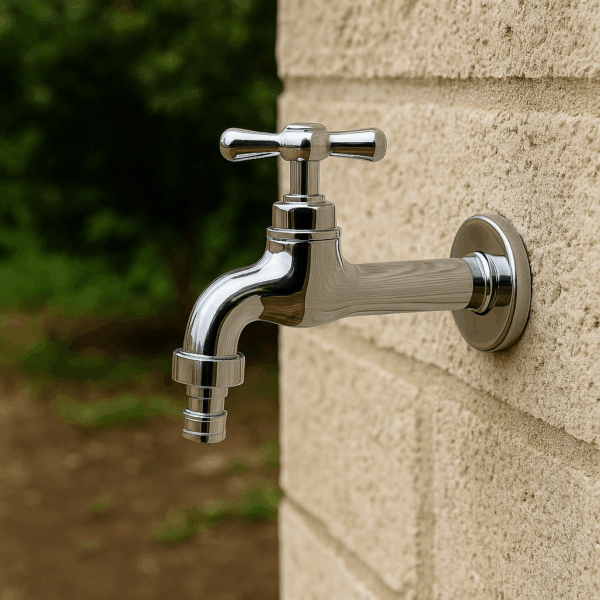
Bib Tap
Bib taps operate by twisting a handle, which rotates a spindle inside the tap. Turning the handle in a counterclockwise direction raises the spindle, allowing water to flow through. A “bib tap” refers to a type of tap that is typically wall-mounted, with a fixed spout, and usually comes in pairs for separate hot and cold water supply, commonly used outdoors or in utility areas; essentially, it’s a simple, basic tap with a distinct outward curve on the handle, allowing for easy turning to control water flow.

Biodegradable Diapers
Biodegradable diapers are made from natural materials such as bamboo, cornstarch, and wood pulp, and are designed to break down more quickly than traditional diapers. Biodegradable diapers are free of harsh chemicals and toxins, making them a safer choice for your baby’s delicate skin. They are also more breathable than traditional diapers, which helps to reduce the risk of diaper rash.
Biodegradable diapers are also more absorbent than traditional diapers, which helps to keep your baby dry and comfortable for longer.
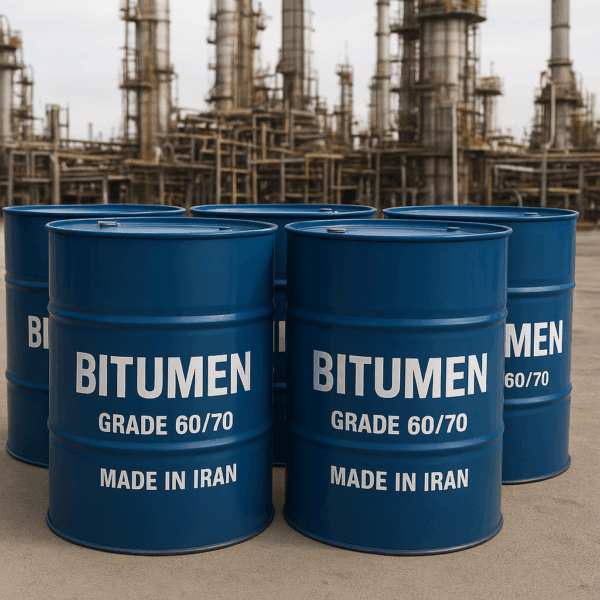
Bitumen
Bitumen is mainly used in road construction, asphalt pavement production, highway projects, airport runways, roofing systems, waterproofing membranes, pipe coating, and industrial sealing applications. Its excellent adhesion, water resistance, flexibility, chemical stability, and high temperature performance make it one of the most important construction materials worldwide. Different grades are selected according to climate conditions, traffic load, and project requirements; for example, 60/70 penetration grade is one of the most commonly used paving grades, while harder grades are preferred for heavy traffic and hot climates.
High-quality Bitumen offers excellent durability, strong bonding properties, resistance against moisture penetration, and long service life in asphalt mixtures. Industrial suppliers typically provide Bitumen in bulk shipments, steel drums, jumbo bags, or heated tankers according to customer requirements. Iranian Bitumen is widely traded in international markets due to competitive pricing, availability of petroleum resources, and suitability for export markets.
Others products from bitumen that are available:
Bitumen Emulsion: This type of bitumen is just like cutback bitumen, with one highly important difference. Refinery workers reduce the viscosity of bitumen emulsions with water, not petroleum additives. When we apply emulsions on the surface, water evaporates and the mix starts to set. As a result, there is no need to heating the mixture.
Oxidized Bitumen: To make bitumen more resistant to temperature, we can blow air into bitumen and produce oxidized bitumen. Known as blown bitumen, this type of bitumen is ideal for various industrial purposes, including roof insulation, flooring, industrial mastics, pipe coating, and paints.
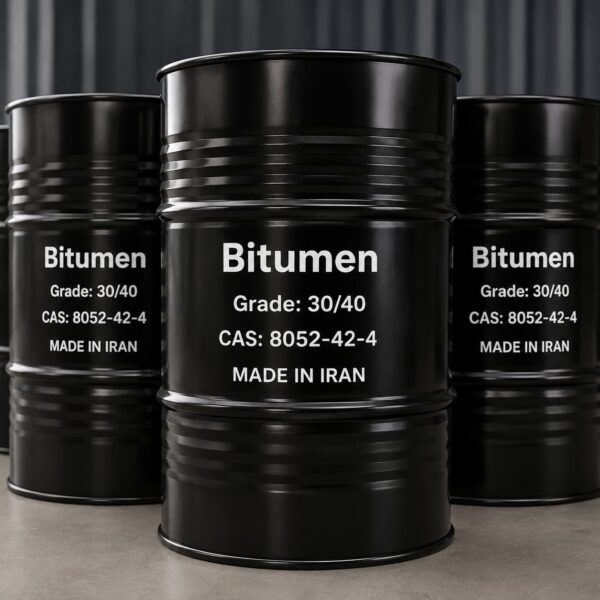
Bitumen 30/40
Bitumen 30/40 is mainly used in road construction, highway paving, airport runways, asphalt concrete production, industrial flooring, and waterproofing applications. Its high viscosity and strong bonding characteristics make it suitable for hot climate regions and heavy traffic areas where asphalt pavement requires improved resistance against rutting, cracking, and mechanical stress. This grade is commonly supplied for hot mix asphalt (HMA) manufacturing, including base courses and wearing courses.
The main features of Bitumen 30/40 include excellent adhesion to aggregates, high thermal stability, good aging resistance, water resistance, and long service life. It is available in different commercial packaging forms such as new steel drums, jumbo bags, and bulk tanker shipments according to customer requirements. Bitumen 30/40 supplied for international markets is generally tested according to ASTM and EN standards to ensure consistent quality and performance.
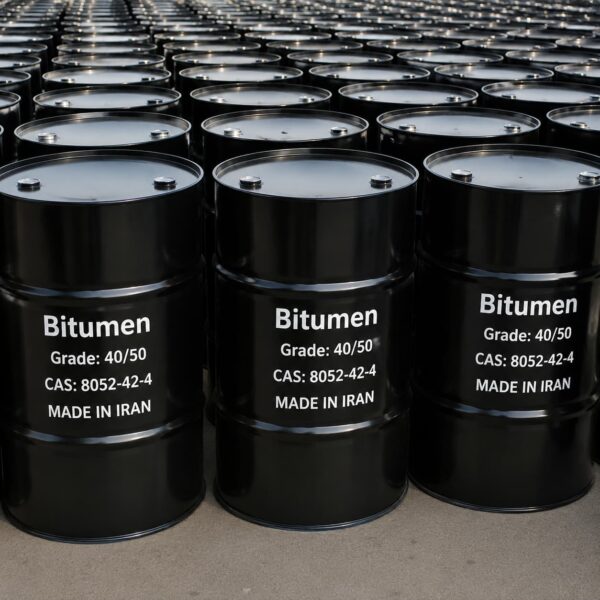
Bitumen 40/50
Bitumen 40/50 is widely recognized as a reliable paving material for infrastructure projects where high load-bearing capacity and long-term pavement performance are required. Due to its balanced hardness and resistance to deformation, it is commonly selected for road construction projects in regions with moderate to warm climatic conditions. Bitumen 40/50 is mainly used in the production of hot mix asphalt (HMA), highway pavements, airport runways, road surfacing, asphalt base courses, and industrial flooring applications. Its strong binding properties ensure effective adhesion between bitumen and mineral aggregates, improving asphalt stability and reducing damage caused by traffic loads, temperature changes, and water penetration. This grade is suitable for heavy-duty road construction, maintenance projects, and applications requiring a durable and stable asphalt binder with consistent performance.
The main characteristics of Bitumen 40/50 include excellent cohesion, high viscosity, good thermal stability, water resistance, aging resistance, and superior bonding strength. It can be supplied in different commercial packaging options including steel drums, jumbo bags, and bulk tanker shipments based on customer requirements. Iranian Bitumen 40/50 is widely exported to international markets due to competitive pricing, reliable quality, and availability of high-quality petroleum feedstock. The product is tested according to international standards such as ASTM and EN to ensure compliance with global construction requirements.
Bitumen 60/70
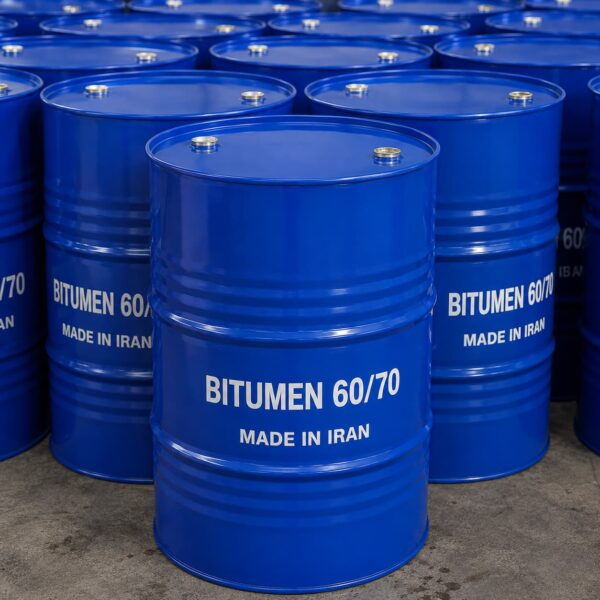
Bitumen 60/70 is one of the most commonly traded bitumen types in international markets due to its reliable performance, easy handling, and suitability for various asphalt applications. Bitumen 60/70 consists mainly of complex hydrocarbons, including asphaltenes, resins, and aromatic compounds, which provide strong binding properties and resistance to environmental conditions.
This grade is primarily used in road construction, highway paving, airport runways, asphalt concrete production, and road maintenance projects. Due to its moderate penetration and good temperature performance, it is highly suitable for regions with moderate climate conditions. This grade is widely used in the production of hot mix asphalt (HMA), surface dressing, bituminous macadam, and pavement layers where excellent adhesion between aggregates and binder is required. It also offers good resistance against cracking, water penetration, and mechanical stress, making it a preferred choice for infrastructure development projects.
The main advantages of Bitumen 60/70 include high durability, excellent aggregate adhesion, thermal stability, water resistance, and long service life. Iranian Bitumen 60/70 is internationally recognized due to the availability of high-quality crude oil resources and competitive export pricing. This product can be supplied in different commercial forms, including new steel drums, jumbo bags, and bulk tanker shipments, according to customer requirements. Export-quality Bitumen 60/70 is tested based on international standards such as ASTM and EN to guarantee consistent quality and performance for global buyers.
Bitumen 80/100
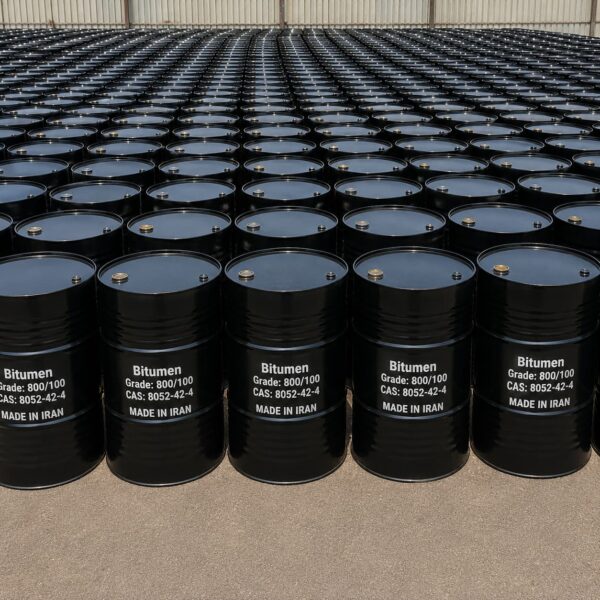
Due to its moderate hardness and superior binding properties, Bitumen 80/100 is widely used in asphalt production and infrastructure projects, especially in regions with moderate temperature conditions. It is one of the most commonly traded grades in the international bitumen market due to its reliable performance and cost-effectiveness.
Bitumen 80/100 is mainly used in road construction, asphalt pavement, highway maintenance, airport runways, and hot mix asphalt (HMA) production. Its good flexibility makes it suitable for areas where pavement needs to withstand temperature changes and repeated traffic loads. This grade provides excellent adhesion with aggregates, improves asphalt mixture stability, and helps prevent premature cracking caused by thermal stress. Bitumen 80/100 is also used in waterproofing products, roofing materials, bituminous membranes, and various industrial applications requiring a durable waterproof binder.
The main characteristics of Bitumen 80/100 include high bonding strength, good ductility, resistance to water penetration, thermal stability, and long-term pavement performance. It is supplied in different commercial forms including steel drums, jumbo bags, and bulk tanker shipments according to customer requirements. Export-quality Bitumen 80/100 is normally tested according to international standards such as ASTM and EN specifications to ensure consistent quality. Iranian Bitumen 80/100 is widely recognized in global markets due to competitive pricing, reliable availability, and suitability for large-scale construction
Bitumen VG10
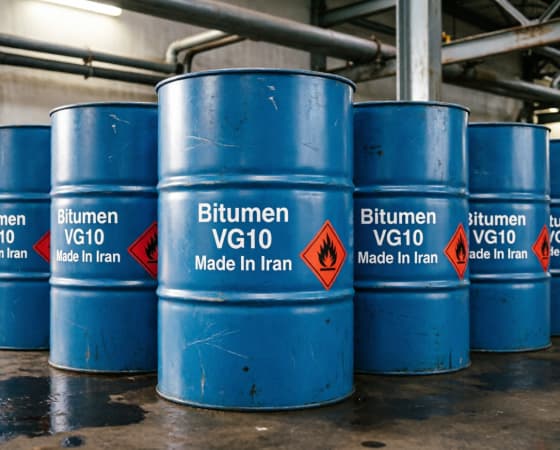
VG10 bitumen has lower viscosity compared with harder grades such as VG30 and VG40, which makes it easier to handle, mix, and apply at lower temperatures. Due to its balanced properties, Bitumen VG10 is widely used in regions with cold to moderate climatic conditions where flexibility and resistance to thermal cracking are important factors.
Bitumen VG10 is mainly used as a binder in hot mix asphalt production, flexible pavement construction, road surfacing, maintenance projects, and industrial asphalt applications. It provides strong adhesion between aggregates and asphalt mixtures, improving pavement durability and resistance against moisture damage. This grade is especially suitable for highways, urban roads, airport pavements, and low to medium traffic roads where good workability and long-term performance are required. VG10 bitumen is also used for manufacturing asphalt emulsions and modified bitumen products due to its excellent compatibility with additives and polymers.
The main characteristics of Bitumen VG10 include high bonding strength, good ductility, excellent water resistance, thermal stability, and reliable aging resistance. Compared with penetration grade bitumen, viscosity grade classification provides better control over performance under different temperature conditions. Iranian Bitumen VG10 is available for international markets in various packaging options including new steel drums, jumbo bags, and bulk tanker shipments. Export-quality VG10 bitumen is supplied according to international testing methods such as ASTM and AASHTO standards, ensuring consistent quality for global construction projects.
Bitumen VG20
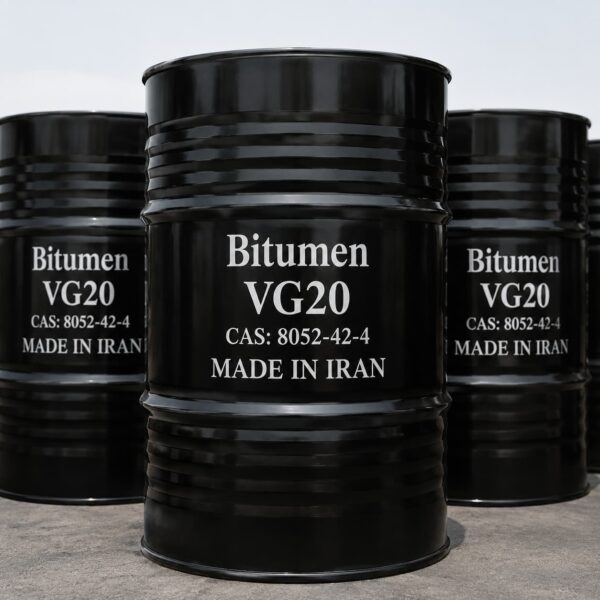
VG 20 bitumen provides good binding properties between aggregates and helps produce stable, durable asphalt mixtures. It offers resistance to water penetration, weathering, and mechanical stresses while maintaining suitable workability during asphalt mixing and paving operations. The material is widely used in hot mix asphalt, road base and surface courses, pavement maintenance, asphalt mixtures, and infrastructure projects. Depending on project requirements, Bitumen VG 20 can be supplied in new steel drums, jumbo bags, or bulk form, with packaging and loading arrangements suitable for export shipments.
Bitumen VG 20 is widely selected by asphalt contractors, road construction companies, infrastructure developers, and international bitumen traders seeking a consistent viscosity-grade binder. Its combination of viscosity control, adhesion, durability, and practical handling makes it a versatile material for road and pavement construction. For international procurement, buyers should evaluate viscosity, penetration, softening point, flash point, solubility, heating requirements, packaging condition, and certificate of analysis before purchasing. Consistent quality and reliable supply are particularly important for long-term B2B contracts and large-volume infrastructure projects.
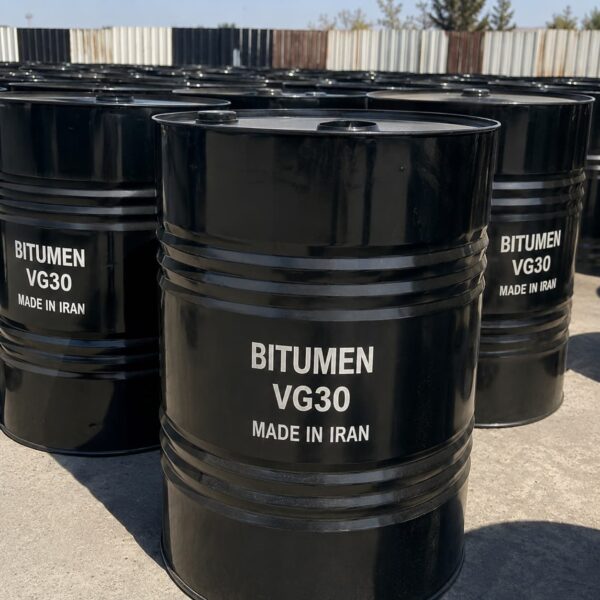
Bitumen VG30
From a technical perspective, Bitumen VG30 provides good resistance to deformation under traffic loading while maintaining adequate flexibility within normal service conditions. It exhibits strong binding properties, good water resistance, and effective adhesion to aggregate materials. Its performance makes it suitable for hot mix asphalt, dense graded asphalt mixtures, base and binder courses, and various road infrastructure projects. The material can be heated and processed according to established asphalt plant procedures, with handling and storage conditions selected to maintain product quality. Typical quality parameters include viscosity, penetration, softening point, flash point, solubility, and loss on heating.
Bitumen VG30 is widely used for highways, urban roads, airport pavements, bridges, parking areas, industrial yards, and other asphalt-based infrastructure projects. It is particularly suitable for regions where pavement structures require a relatively high-viscosity binder to withstand traffic loads and elevated operating temperatures. Depending on project specifications and applicable standards, VG30 can be selected for asphalt mixtures requiring stable mechanical performance and long-term durability. For international B2B procurement, buyers should verify technical specifications, applicable standards, certificate of analysis, packaging, loading method, and shipment requirements before purchase. Reliable sourcing from qualified suppliers helps ensure consistent quality and specification compliance.
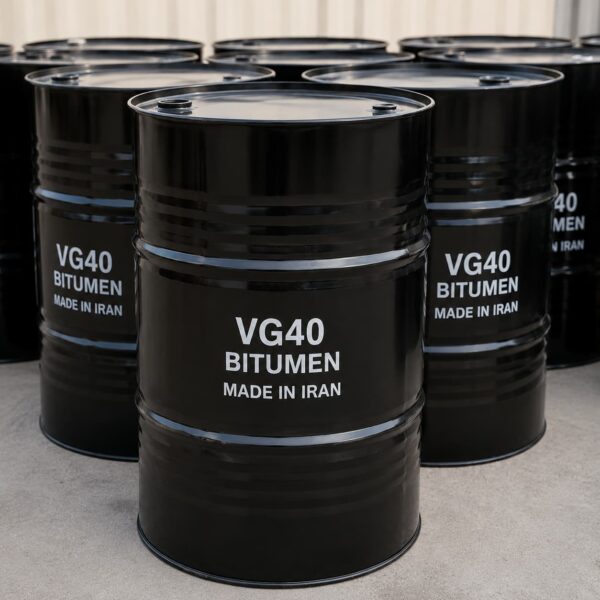
Bitumen VG40
Bitumen VG40 offers excellent resistance to deformation, rutting, and fatigue under demanding traffic conditions. Its relatively high viscosity provides improved structural stability in asphalt mixtures while maintaining suitable workability during hot mixing and paving operations. The material can be used in asphalt concrete, dense-graded mixtures, heavy-duty pavements, industrial roads, intersections, airport pavements, container terminals, and other high-load transportation infrastructure. Proper storage, heating, handling, and mixing temperatures should be maintained according to the applicable technical standard and project requirements.
Commercially, VG40 bitumen is supplied in bulk and export-ready packaging according to buyer requirements, including new steel drums and other suitable industrial packing formats. Specifications may be supplied according to applicable ASTM, AASHTO, or equivalent national and international standards. Buyers should confirm viscosity, penetration, softening point, flash point, solubility, and other quality parameters before purchase. Bitumen VG40 is widely selected by asphalt producers, road contractors, infrastructure companies, distributors, and international trading companies looking for a reliable high-viscosity paving binder.

Bituminous Paint
Bituminous paint can be applied to most substrates, including iron and steel structures, metal products, castings, asbestos cement sheet and structural concrete surfaces. Bituminous paint can provide weather resistance and corrosion resistance to elements. It has good adhesive properties. bituminous coating is used to create vapour-proof protective layer in accordance with its formulation and polymerization standards. Bituminous coating is also called as asphalt coating. Bituminous paint is strong, waterproof, durable and inexpensive. Resists the production of harsh chemicals and ultraviolet light.
Properties :
- Black or dark brown in color.
- Waterproof – highly resistant to moisture and water penetration.
- Corrosion resistant – protects metal from rust.
- Durable – can withstand exposure to alkalis and some acids.
- Adhesive – sticks well to concrete, metals, and other surfaces.
Uses :
- Metal protection (pipes, tanks, structural steel, roofs).
- Concrete protection (foundations, retaining walls, basements).
- Marine applications (boats, docks, underwater structures).
- Roofing and damp-proofing (as a waterproof barrier).