

 Arabic
shop

Antimicrobial Powder Coating
Formulated with high-purity polyester or hybrid resins, silver-ion antimicrobial additives, zinc-based biocidal agents, anti-yellowing stabilizers, flow modifiers, UV absorbers, and corrosion-resistant pigments, Antimicrobial Powder Coating provides consistent protection throughout the coating’s lifetime. The silver-ion technology is integrated uniformly into the powder matrix, ensuring slow, controlled ionic release that disrupts microbial cell function without affecting coating performance. The coating is available in smooth, matte, glossy, textured, and metallic finishes to suit diverse applications and design requirements. This advanced coating is widely used in hospitals, medical devices, laboratory equipment, pharmaceutical facilities, food-processing machinery, HVAC systems, public transportation, schools, gyms, office furniture, and home appliances.
The production process involves precise premixing of antimicrobial agents with base resin systems, extrusion under controlled thermal conditions, cooling, micronized grinding, and sieving for uniform particle size. During application, the powder is electrostatically sprayed onto steel, aluminum, or galvanized surfaces, followed by curing at 160–200°C to form a durable crosslinked film with embedded antimicrobial functionality. Key advantages include 99.9% reduction of microbial growth, long-term hygiene protection, excellent chemical and abrasion resistance, zero VOC emissions, and compliance with global antimicrobial standards. Antimicrobial Powder Coating is an ideal solution for manufacturers seeking enhanced safety, hygiene, and durability across medical, industrial, and public-use environments.
Antique Powder Coating
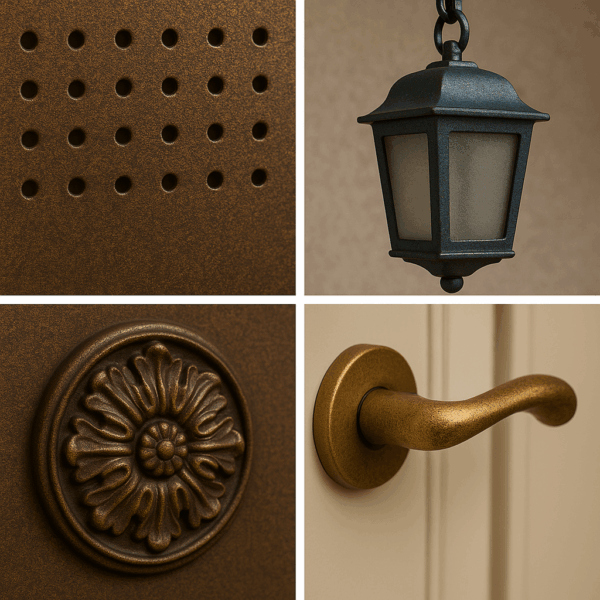
Antique Powder Coating is formulated using high-performance polyester and hybrid resins, curing agents, metallic pigments, antique patterning additives, texture modifiers, flow control agents, and UV/oxidation stabilizers, it provides exceptional adhesion, scratch resistance, weathering stability, and corrosion protection. The controlled distribution of metallic flakes and antique effect pigments creates authentic two-tone patterns that imitate naturally aged metal surfaces. Available in multiple styles—including antique copper, antique gold, antique brass, antique silver, rustic black, patina green, and hammered vintage finishes—the coating ensures consistent decorative appearance across large production volumes.

Apricot
Apricots are considered to be Stone Fruits (Drupe). With their juicy flesh and delicate aroma, apricots are a popular choice for jams, pies, desserts, and even savory dishes.
Types of Apricots in Iran:
- Almond Apricots
- Funnel Apricots
- Shredded Sugar Apricots (Shakarpareh)
- Nakhjavan Apricots
- Ghavami Apricots
Aquarium-Grade Silicone Sealant
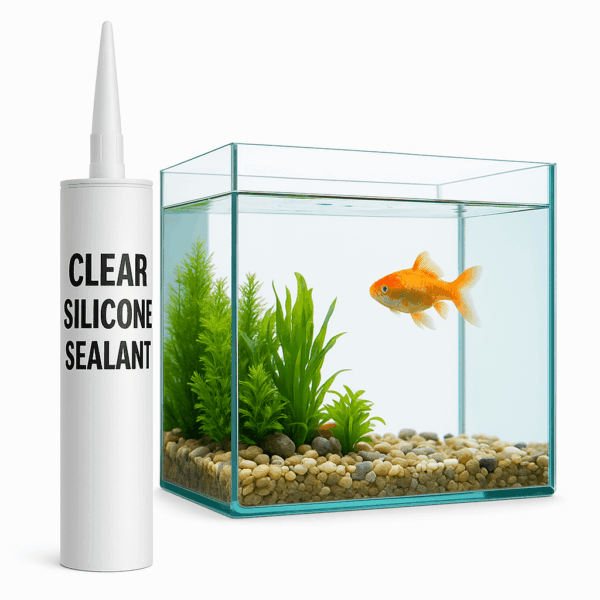
This premium formulation offers high tensile strength, excellent adhesion to glass, and superior elasticity, ensuring stable bonding under constant hydrostatic pressure. Free from fungicides, solvents, and additives that may harm aquatic life, Aquarium Grade Silicone Sealant provides a safe and durable sealing system for freshwater and saltwater environments. Its transparent, non-yellowing nature ensures a clean and professional appearance, while the fast skin-formation time supports efficient aquarium assembly. Available types include black aquarium silicone, crystal-clear premium silicone, high-modulus bonding grade, and multi-liter industrial packaging for large tank manufacturing. The sealant maintains stable performance under thermal fluctuations, continuous water exposure, UV light, and long-term environmental stresses. Its smooth extrusion and easy tooling allow precise application during aquarium construction or repair.
It’s designed for maximum structural integrity, this sealant withstands continuous pressure and water load without shrinking, cracking, or leaching harmful chemicals. Ideal applications include bonding aquarium glass panels, repairing leaks, sealing terrariums, reinforcing tank joints, underwater windows, display tanks, and aquatic system components. Key advantages include non-toxic curing, superior waterproofing, high structural bonding strength, chemical stability in marine environments, and long service life. Export-ready aquarium silicone sealants are available in 300 ml cartridges, 280 ml tubes, and large-volume packs suitable for OEM producers.
Aquatic feeds ( Fish Feeds )
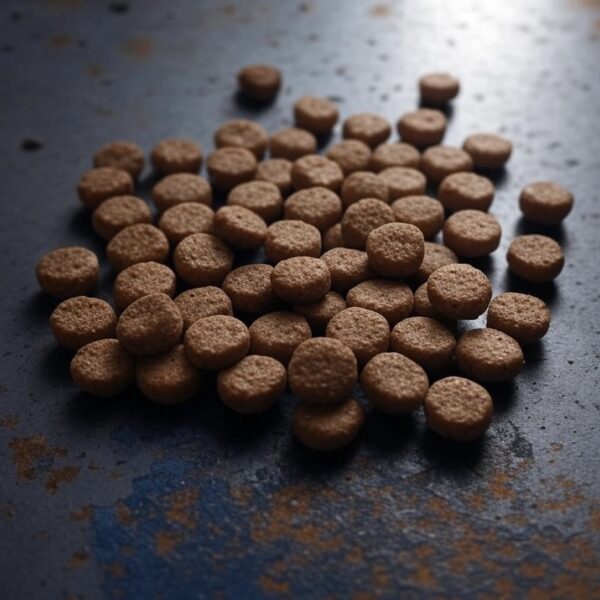
Fish feeds are produced in different physical forms such as floating pellets, slow-sinking pellets, sinking pellets, extruded feed, and crumbles. Floating fish feed is widely used in aquaculture because it remains on the water surface, allowing farmers to monitor feeding activity and reduce feed waste. Sinking and slow-sinking feeds are suitable for species with different feeding behaviors. Feed pellet size, density, water stability, protein level, fat content, and digestibility are important technical parameters when selecting aquatic feed. Common applications include feeding tilapia, carp, trout, catfish, salmon, seabass, seabream, and other commercially farmed fish species.
Commercial aquatic feeds are commonly supplied in different pellet sizes and nutritional grades to meet species-specific and age-specific requirements. Depending on the manufacturer and market, products may be supplied in 5 kg, 10 kg, 20 kg, or 25 kg bags, typically using moisture-resistant multi-layer bags or woven polypropylene packaging with an inner liner. High-quality fish feed should provide consistent pellet structure, good water stability, high palatability, efficient nutrient utilization, and low feed wastage. Selection should be based on fish species, farming system, water temperature, fish size, feeding behavior, and target growth performance.

Armored Low Tension Underground Cables
Armored Low Tension (LT) Underground Cables are engineered to provide safe and reliable power transmission at voltages up to 1 kV in a wide range of residential, commercial, and industrial installations. These cables are produced with high-quality copper or aluminum conductors in single-core or multi-core configurations, insulated with durable XLPE or PVC materials to guarantee excellent electrical performance and thermal stability. A layer of steel wire armor (SWA) or steel tape armor (STA) provides mechanical protection, making them ideal for direct burial underground, in conduits, ducts, and harsh environments where resistance to moisture, soil pressure, and mechanical impact is essential. Available in a broad range of cross-sectional sizes from 1.5 mm² to 1000 mm², these cables support dependable energy distribution networks, lighting systems, motors, and control systems.
Armored LT Underground Cables are widely used in power grids, building infrastructure, industrial plants, refineries, and renewable energy fields due to their long service life and robust safety characteristics. Their key advantages include enhanced mechanical durability, flame-retardant insulation, corrosion resistance, and protection against rodents and environmental factors. The manufacturing process follows strict quality standards to ensure stable conductivity, low power loss, and secure installation. With reliable performance and proven durability, Armored Underground LT Cables are an excellent choice for efficient and secure power transmission systems.

Aseptic Bags
Several materials are layered together to provide the level of protection required for aseptic packaging standards, including:
- Polyethyleneis used as a barrier on the inner and outer sides of aseptic packaging. These layers protect against moisture entering or exiting the container.
- Film foil helps preserve the product by keeping light and oxygen out.
Aseptic bags are widely used in aseptic solid raw materials, sterile pharmaceutical auxiliary materials, sterile preparations and the like due to their sterility, non-toxicity, excellent low-temperature resistant performance, good chemical stability and electrical insulation properties. Transit and temporary storage of pharmaceuticals and chemical products. in the food industry, aseptic packaging bags are divided into high volume aluminum-plastic composite aseptic bags (5 ~ 200L) and low volume co-extruded film aseptic pouches (200 ~ 500ml); aseptic bags can also be used with cardboard The paper-based multi-material composite packaging containers, which consist of aluminum foil and food, contain about 20% of the entire packaging weight, and mainly block the effects of liquid leakage and microbial invasion. They are perfect packaging materials for juices, jams, dairy products and other foods.
Aseptic bags production is carried out in a clean room, through a complex sterilization process to achieve the strict requirements of aseptic packaging. Compared with ordinary bags, aseptic bags can retain the nutrients of the food, it helps the food to maintain more color, texture, mouthfeel, and consume less energy, stored at room temperature for longer, and Sterility-required products provide a safe and stable storage environment.
Asiago Cheese
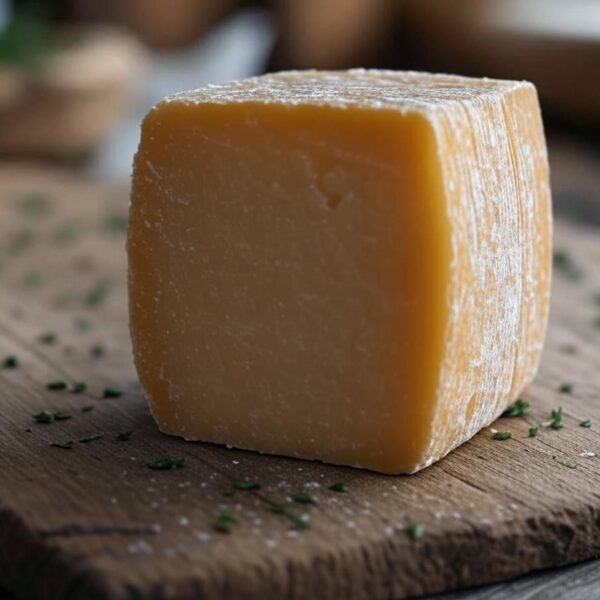
Asiago, a nutty-flavored cheese, comes in two forms: fresh and mature. The fresh has an off-white color and is smoother and milder, while mature Asiago is yellowish and somewhat crumbly. Depending on its age, Asiago can be grated, melted or sliced. Italian-style cheese with sharp, rich flavor. Used for eating and cooking.
It is a cow’s milk cheese, that can assume different textures according to its aging, from smooth for the fresh Asiago (called Asiago pressato, which means “pressed Asiago”) to a crumbly texture for the aged cheese (Asiago d’allevo, which means “breeding farm Asiago”).
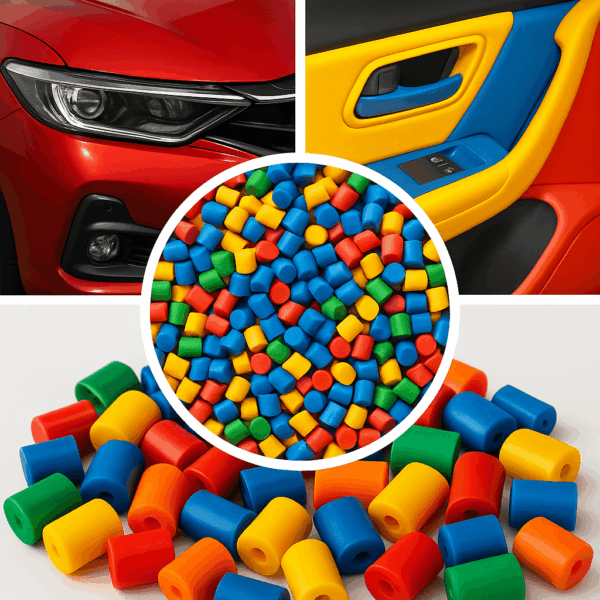
Automotive Grade PE Compounds
Their optimized molecular structure and tailored melt flow behavior ensure exceptional processability in injection molding, blow molding, and extrusion systems used across the automotive industry. These PE compounds offer enhanced durability through improved environmental stress-crack resistance (ESCR), higher heat deflection temperatures, and long-term weatherability under UV exposure and thermal cycling. Their lightweight profile helps manufacturers reduce overall vehicle weight, improve fuel efficiency, and replace metal components in non-structural and semi-structural applications. Automotive grade PE compounds are used in fuel system parts, under-hood components, exterior trims, air-duct systems, washer tanks, cable channels, interior panels, battery casings, connectors, splash guards, and fluid handling systems.
Available types include HDPE automotive grades, LLDPE high-impact compounds, glass-fiber reinforced PE, mineral-filled PE, UV-stabilized exterior grades, anti-static and conductive PE, flame-retardant compounds, chemical-resistant fuel-system grades, and low-odor/low-VOC interior compounds. All automotive grade PE compounds comply with international quality standards such as ISO 9001, IATF 16949, ASTM, and REACH, ensuring consistent production performance and global supply capability.
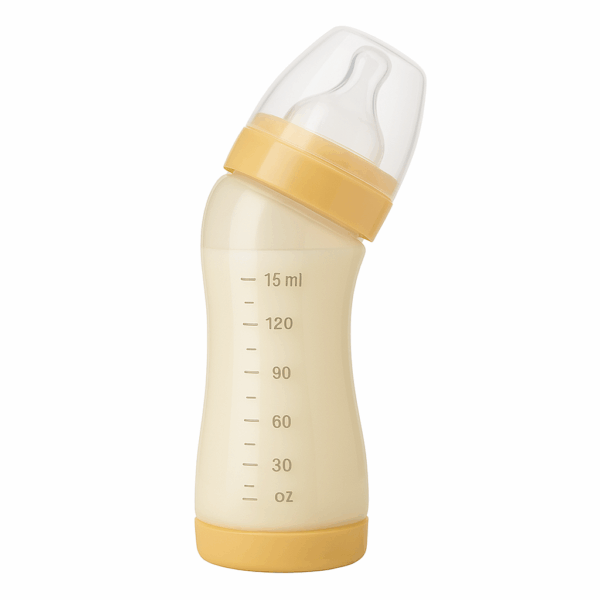
Baby Bottle – Anti Colic
(PPSU), polycarbonate alternatives, silicone, and, for selected designs, glass. PP bottles are lightweight, economical, and suitable for everyday commercial applications, while PPSU offers higher temperature resistance and excellent durability for repeated sterilization. Glass baby bottles provide a premium, transparent, and chemically stable option, although they are heavier than plastic alternatives. Food-grade silicone is commonly used for nipples, seals, valves, and other flexible components because of its softness, flexibility, and temperature resistance.
The key feature of an Anti Colic Baby Bottle is its ventilation or air-release system, which can be integrated into the nipple, bottle collar, base, or an internal valve depending on the design. These systems are engineered to control air flow during feeding and may help reduce excessive air intake. Different bottle designs can include angled feeding systems, internal vent tubes, dual-valve systems, bottom ventilation, and specialized anti-colic nipples. The bottle body can also be designed with ergonomic contours, wide-neck openings, measurement markings, and easy-clean components for improved handling and maintenance. Anti-colic baby bottles are available with different nipple and teat flow rates, including extra-slow flow, slow flow, medium flow, fast flow, and variable-flow options. Newborn nipples generally feature smaller openings and slower milk flow, while higher-flow nipples are designed for older infants depending on the product specification.
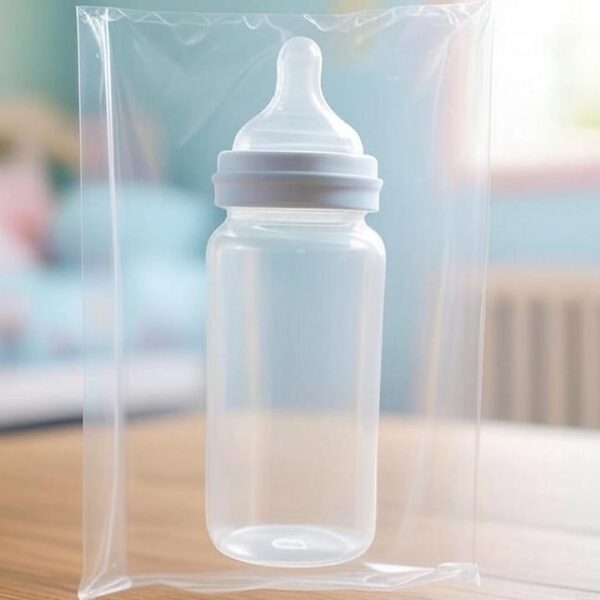
Baby Bottle – Disposable
Disposable Baby Bottles are available in different capacities, shapes, and nipple designs to meet various feeding requirements. Common sizes include 60 ml, 120 ml, 150 ml, 240 ml, and 300 ml bottles, suitable for newborns and growing infants. These products may include silicone nipples, anti-colic valves, ergonomic bottle designs, and leak-proof caps to improve feeding comfort and safety. The bottles are commonly supplied sterile or non-sterile depending on customer requirements and can be customized with private labels, OEM packaging, and specific designs for international markets. High-quality disposable baby bottles offer excellent transparency, lightweight structure, chemical resistance, and easy transportation advantages.
Disposable Baby Bottles are widely applied in hospitals, pediatric care centers, baby product retailers, pharmacies, and household applications. They are especially useful for newborn feeding programs, emergency medical use, travel, and situations where washing and sterilization facilities are limited. Manufacturers offer various commercial options including standard disposable bottles, premium medical-grade bottles, disposable nursing bottle systems, and customized OEM products. Due to increasing demand for hygienic infant care products, disposable baby bottles have become an important product category in global baby care markets, providing safe, convenient, and cost-effective feeding solutions for distributors and importers worldwide.
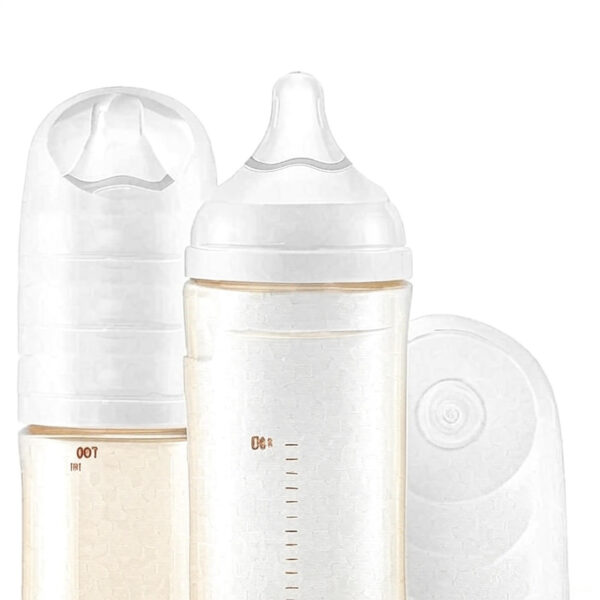
Baby Bottle – Wide Neck
Commercially available Baby Bottle Wide Neck types include plastic wide neck bottles, glass wide neck baby bottles, anti-colic wide neck bottles, newborn feeding bottles, and premium infant bottles with advanced ventilation systems. These products are available in different capacities such as 60 ml, 120 ml, 150 ml, 240 ml, 260 ml, and 330 ml to meet various feeding requirements. Wide neck baby bottles are designed with features such as leak-proof caps, soft silicone nipples, ergonomic grips, measurement markings, heat resistance, and easy assembly. They are suitable for hospitals, maternity centers, baby product distributors, pharmacies, and retail markets.
Baby Bottle Wide Neck is commonly used for infant feeding, newborn care, breastfeeding combination systems, and baby nutrition applications. The wide opening allows faster filling and reduces powder residue during formula preparation, while the wider nipple design supports comfortable feeding. Manufacturers and suppliers offer different commercial options including OEM baby bottles, customized packaging, private label production, and bulk export supply. International buyers can source Baby Bottle Wide Neck products with various specifications, colors, packaging designs, and certifications according to market requirements.