

Your gateway to numerous Iranian top exporters

Create one request and get multiple quotes from verified suppliers. 100% free.

Laminated Glass

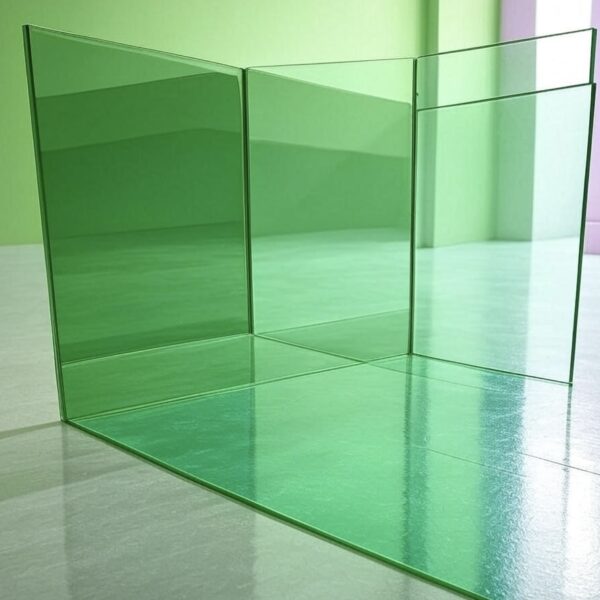
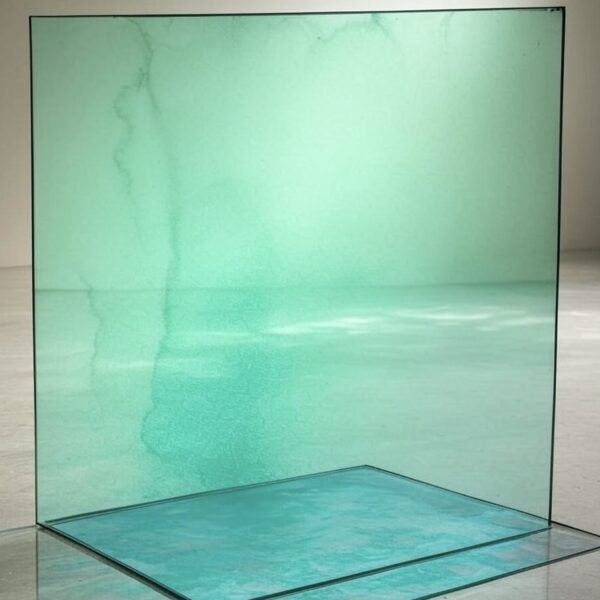
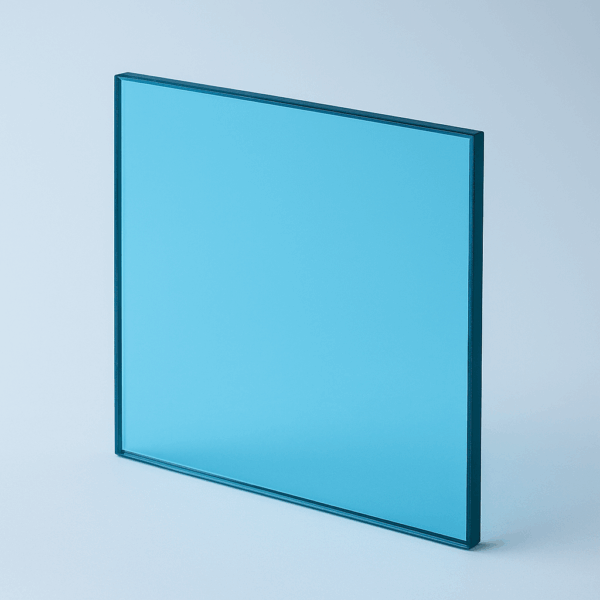
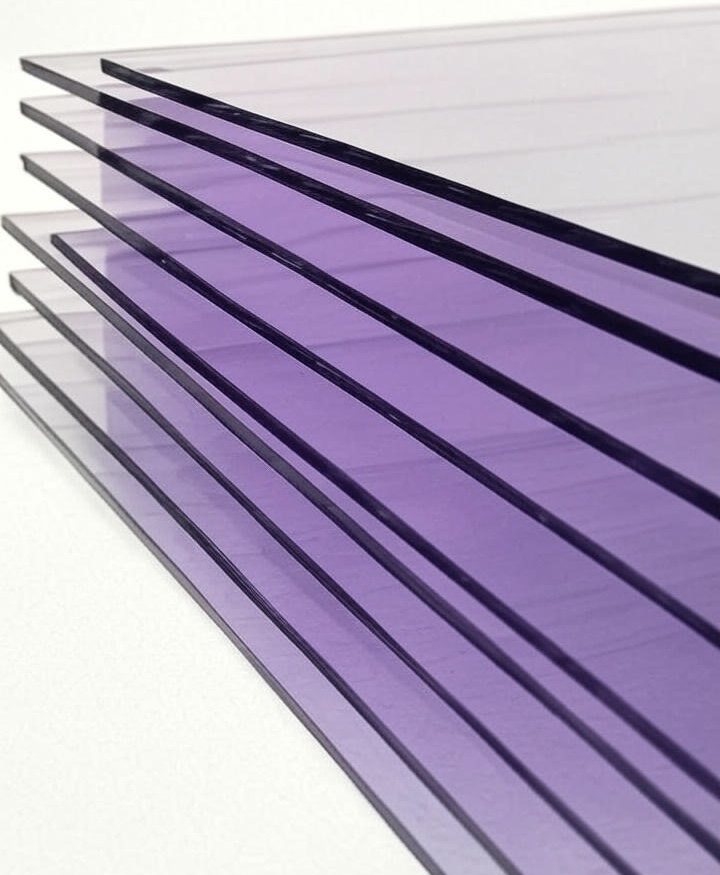
Laminated Glass is a high-performance safety and architectural glazing product manufactured by bonding two or more glass sheets together with an interlayer, typically Polyvinyl Butyral (PVB), Ethylene Vinyl Acetate (EVA). The laminated glass manufacturing process generally begins with the precise cutting, edge processing, washing, and inspection of individual glass sheets according to the required dimensions and specifications. The selected interlayer is then positioned between the glass layers under controlled environmental conditions to prevent contamination and ensure proper adhesion. The assembled glass is pre-pressed to remove trapped air and create a stable glass-interlayer structure before entering an autoclave or other controlled lamination system. Commercial laminated glass is available in different thicknesses, dimensions, colors, transparency levels, surface finishes, and interlayer configurations to meet architectural, automotive, security, acoustic, and industrial requirements. Common products include clear laminated glass, tempered laminated glass, heat-strengthened laminated glass, acoustic laminated glass, colored laminated glass, low-E laminated glass, solar-control laminated glass, and security or safety laminated glass.

One of the main advantages of laminated glass is its ability to retain broken glass fragments within the interlayer after breakage, reducing the risk of dangerous shards falling or dispersing. This safety characteristic makes laminated glass particularly suitable for façades, windows, skylights, curtain walls, balustrades, doors, partitions, roofs, and other areas where human safety and structural integrity are important. Laminated glass is also widely used in commercial buildings, residential projects, airports, hospitals, hotels, shopping centers, office buildings, public facilities, and high-end architectural developments.
Acoustic laminated glass is designed to improve sound insulation and can be specified for buildings located near highways, railways, airports, industrial facilities, and busy urban environments. Security laminated glass can incorporate thicker glass layers and high-performance interlayers to provide increased resistance against impact, forced entry, vandalism, and other security-related risks.
In automotive applications, laminated glass is commonly used for windshields because the interlayer helps maintain the integrity of the glazing after impact while also contributing to occupant protection.
Commercial laminated glass can be supplied as flat panels or fabricated products with drilling, edge polishing, cutting, notching, printing, bending, and other processing options depending on project requirements. Typical laminated glass configurations may range from relatively thin constructions for standard architectural glazing to multi-layer systems designed for high-security, acoustic, ballistic, or specialized structural applications. Laminated glass provides an effective combination of safety, durability, design flexibility, acoustic performance, and architectural functionality, making it an important material for modern glazing systems. Its ability to remain bonded after glass breakage provides a major safety advantage compared with conventional monolithic glass in many applications. The product can also support modern architectural designs where transparency, daylight transmission, visual aesthetics, solar control, noise reduction, and safety must be considered simultaneously.
For export and wholesale orders, it is possible to  offer laminated glass according to customized thicknesses, sizes, interlayer specifications, edgework, processing requirements, and project-specific performance criteria.


Laminated Glass
Parameter Typical Specification
Product Laminated Glass
Glass Structure Two or more glass layers bonded with an interlayer
Common Interlayer PVB, EVA, SGP
Typical Glass Types Float, Heat-Strengthened, Tempered, Low-E, Solar-Control
Typical Thickness Approximately 4–100 mm depending on construction
Glass Color Clear, Ultra Clear, Tinted, Colored
Interlayer Thickness Commonly 0.38 mm, 0.76 mm, 1.14 mm and higher
Surface Smooth, transparent, coated or processed according to specification
Main Safety Feature Retains broken glass fragments within the interlayer
Processing Options Cutting, Edge Polishing, Drilling, Notching, Printing, Bending
Main Applications Architectural, Automotive, Acoustic, Security and Industrial Glazing
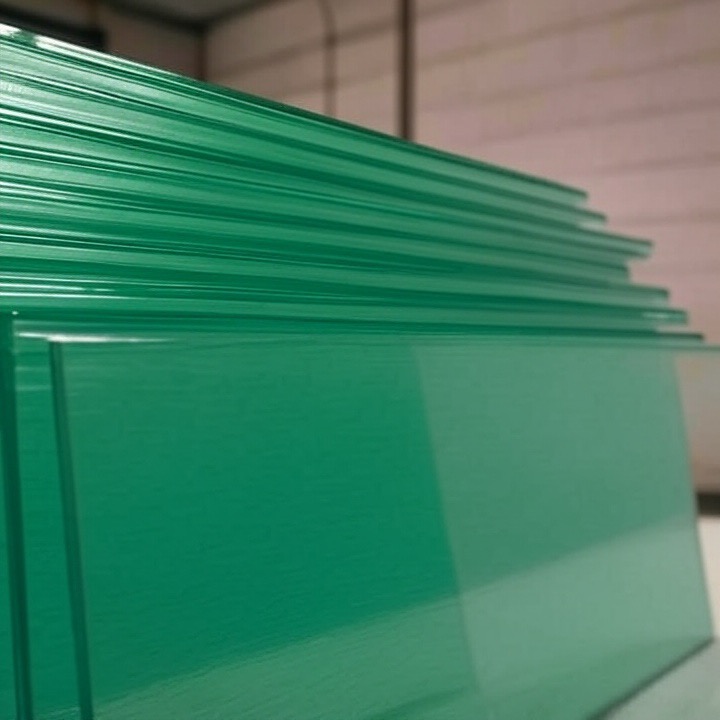
Packaging Wooden Crates, Seaworthy Cases, A-Frame Racks


IF YOU ARE WILLING TO BUY LAMINATED GLASS FROM IRANIAN SUPPLIERS, PLEASE SCROLL DOWN AND SUBMIT YOUR REQUEST.

0 reviews
0
0
0
0
0

There are no reviews yet.

Be the first to review “Laminated Glass”

FAQ Laminated Glass

Laminated glass is a safety glazing product made by bonding two or more glass sheets with an interlayer such as PVB, EVA, or SGP, helping the glass remain bonded when broken.
Common types include clear laminated glass, tempered laminated glass, heat-strengthened laminated glass, acoustic laminated glass, colored laminated glass, low-E laminated glass, solar-control laminated glass, and security laminated glass.
Laminated glass is widely used for windows, façades, curtain walls, skylights, roofs, doors, balustrades, partitions, automotive windshields, acoustic glazing, and security applications.
Yes. Depending on production capabilities, laminated glass can be supplied in customized dimensions, thicknesses, glass combinations, interlayers, colors, edge finishes, drilled configurations, and other fabricated forms.
Laminated glass is generally protected with suitable separators and packed in strong wooden crates, seaworthy wooden cases, or specialized A-frame racks designed to minimize movement, scratching, edge damage, and breakage during transportation.
You can find and connect with suitable verified Iranian suppliers through Irancorps, where buyers can search for Iranian manufacturers and suppliers according to their product and purchasing requirements.

Request for Quotes

Create one request and get multiple quotes from verified suppliers.