Your gateway to numerous Iranian top exporters

Create one request and get multiple quotes from verified suppliers. 100% free.

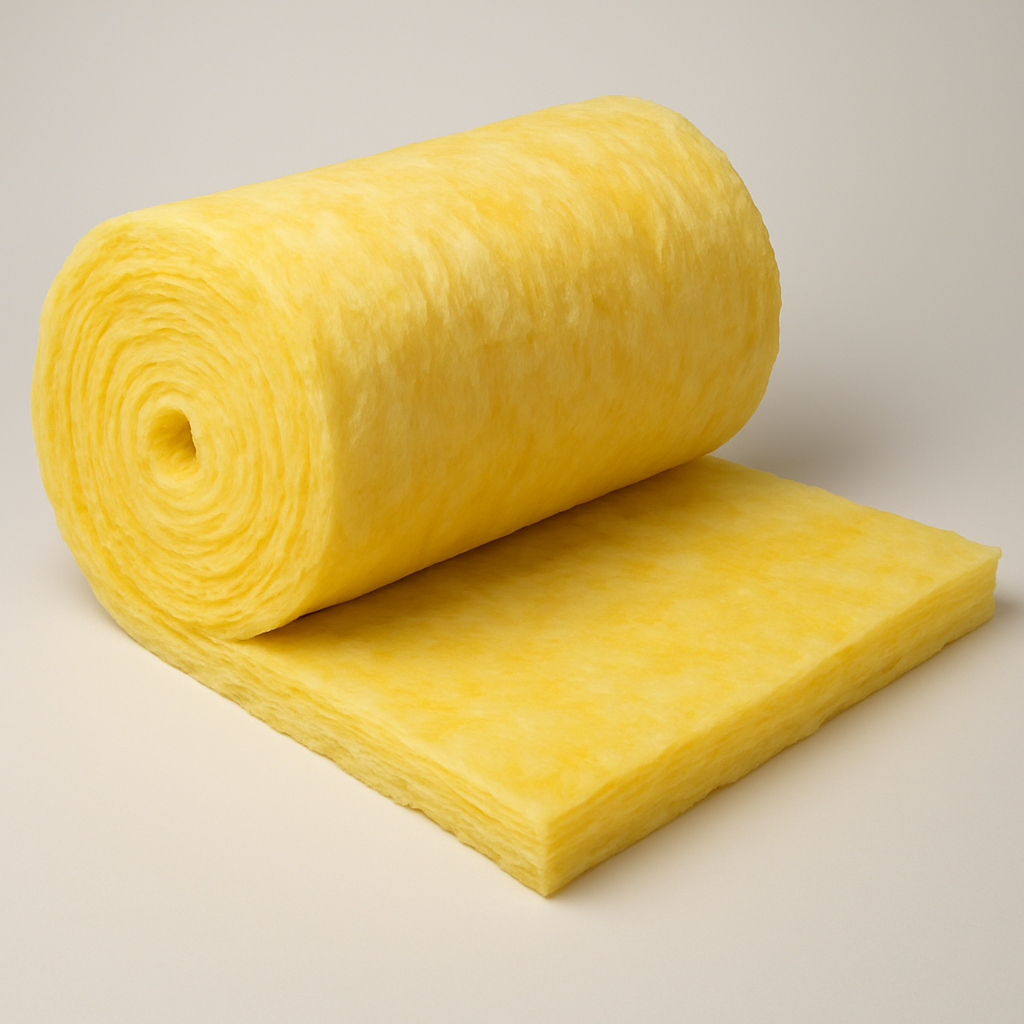
Glass Wool Roll

Glass Wool Rolls are flexible fibrous insulation materials designed to provide efficient thermal and acoustic insulation across a wide range of residential, commercial, HVAC, and industrial applications. They are manufactured primarily from silica sand, recycled glass, and other mineral raw materials, which are melted at high temperatures and transformed into fine glass fibers through a controlled fiberization process. These fibers are then bonded with a suitable binder and formed into a continuous insulation mat with a controlled density and thickness. After curing and stabilization, the material is cut and converted into rolls with specified dimensions according to the intended application. The unique fibrous structure of glass wool creates numerous small air spaces that reduce heat transfer while also absorbing and dissipating sound energy, giving the product its characteristic combination of thermal insulation and acoustic performance. Depending on project requirements, Glass Wool Rolls are commercially available in different densities, thicknesses, widths, lengths, and performance levels, allowing buyers to select a suitable grade for walls, roofs, ceilings, partitions, HVAC systems, ventilation ducts, and industrial equipment. Products may be supplied as unfaced glass wool or with factory-applied facings such as kraft paper, aluminum foil, reinforced foil, or other vapor-control layers, depending on the required installation system and environmental conditions.

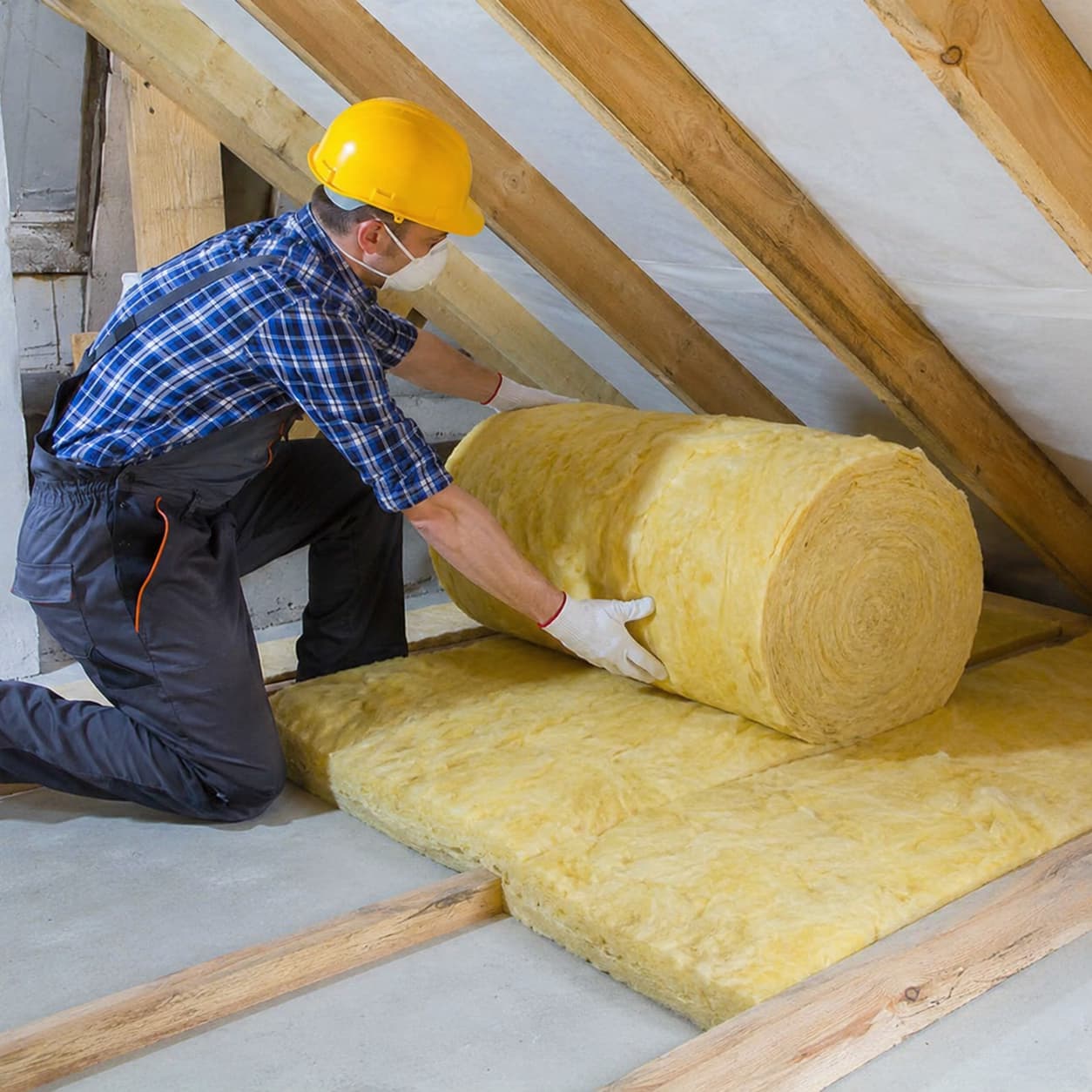
In building construction, Glass Wool Rolls are widely used to improve the energy efficiency of walls, roofs, ceilings, partitions, and other parts of the building envelope by reducing unwanted heat transfer between indoor and outdoor spaces. Their flexibility makes them particularly practical for installation between structural members, around irregular surfaces, and in areas where rigid insulation boards may be difficult to fit. Glass wool is also extensively used in HVAC and air-conditioning systems, where it can be applied to ductwork and associated components to help reduce heat loss or heat gain and control condensation when the appropriate facing and installation system are used. From an acoustic perspective, the open fibrous structure of glass wool provides effective sound absorption and can help reduce airborne noise in partitions, suspended ceilings, equipment rooms, mechanical rooms, and other building service areas. Industrial grades can be used for the insulation of ducts, tanks, equipment, ventilation systems, and other applications where a lightweight and flexible mineral-fiber insulation material is required. Available commercial grades can differ significantly in density, thermal conductivity, thickness, facing, fire performance, and mechanical characteristics, so the appropriate specification should be selected according to the project design and applicable technical requirements. Typical commercial thicknesses include approximately 25 mm, 50 mm, 75 mm, and 100 mm, while thicker or customized products can also be manufactured for specific applications. Higher-density products may be selected where improved dimensional stability or acoustic performance is required, while lighter grades are commonly used where flexibility and easy installation are the main priorities.

 Glass Wool Rolls are normally compressed and rolled to reduce their transportation and storage volume before being enclosed in protective polyethylene or other suitable packaging materials. Compression packaging allows a larger quantity of insulation material to be transported within a limited shipping volume, while the rolls are designed to recover their specified thickness after unpacking and installation when handled and stored correctly. Depending on the supplier and purchasing requirements, rolls can be supplied individually, in multiple-roll packs, or palletized and protected with stretch film or additional outer packaging for easier warehouse handling and transportation. Faced products should be packaged in a manner that protects the facing from tearing, moisture, and mechanical damage, while all glass wool products should generally be stored in a dry and protected environment away from direct water exposure. Commercial specifications can be customized according to roll width, roll length, thickness, density, facing type, packaging configuration, and required thermal or acoustic performance. Because product performance and available dimensions vary between manufacturers, buyers should confirm the technical data sheet and applicable standards before placing large-volume orders. With its combination of low weight, flexibility, thermal resistance, sound absorption, practical installation, and versatile commercial configurations, Glass Wool Rolls remain an effective insulation solution for construction companies, HVAC contractors, industrial users, insulation installers, distributors, and wholesale buyers seeking reliable thermal and acoustic insulation materials.

 

top 5 glass wool supplier in Iran
Technical Parameter Typical / Available Specification
Product Type Glass Wool Insulation Rolls
Main Raw Materials Silica Sand, Recycled Glass, Mineral Raw Materials
Form Flexible Rolls
Typical Thickness 25–100+ mm
Typical Density Approximately 10–50 kg/m³
Thermal Conductivity Typically about 0.032–0.044 W/m·K
Facing Options Unfaced, Kraft Paper, Aluminum Foil, Reinforced Foil
Thermal Insulation High
Acoustic Performance Sound Absorption
Fire Performance Depends on Product Grade and Facing
Standard Widths Manufacturer / Project Specific
Packaging PE Film, Compressed Rolls, Palletized Options
Main Applications Buildings, HVAC, Roofs, Walls, Ceilings, Industry


IF YOU ARE WILLING TO BUY GLASS WOOL  FROM IRANIAN SUPPLIERS, PLEASE SCROLL DOWN AND SUBMIT YOUR REQUEST.

0 reviews
0
0
0
0
0

There are no reviews yet.

Be the first to review “Glass Wool Roll”

FAQ Glass Wool Roll

Glass Wool Rolls are primarily used for thermal and acoustic insulation in walls, roofs, ceilings, HVAC ductwork, partitions, industrial equipment, and ventilation systems.
Faced glass wool has an additional layer such as aluminum foil or kraft paper that can provide a vapor-control, protective, or installation-support function, while unfaced glass wool is supplied without an attached facing.
Common thicknesses include approximately 25 mm, 50 mm, 75 mm, 100 mm, and thicker configurations, with exact dimensions depending on the manufacturer and application requirements.
Glass wool rolls are commonly compressed and wrapped in polyethylene or other protective film and may be supplied palletized and stretch-wrapped for wholesale and export transportation.
You can find and connect with suitable Iranian suppliers through Irancorps, where buyers can search for Iranian manufacturers and suppliers based on their product and sourcing requirements.
A quotation request should normally include required thickness, density, roll width and length, facing type, thermal or acoustic performance requirements, quantity, packaging preference, destination, and any applicable technical standard.

Request for Quotes

Create one request and get multiple quotes from verified suppliers.