

 Arabic
V
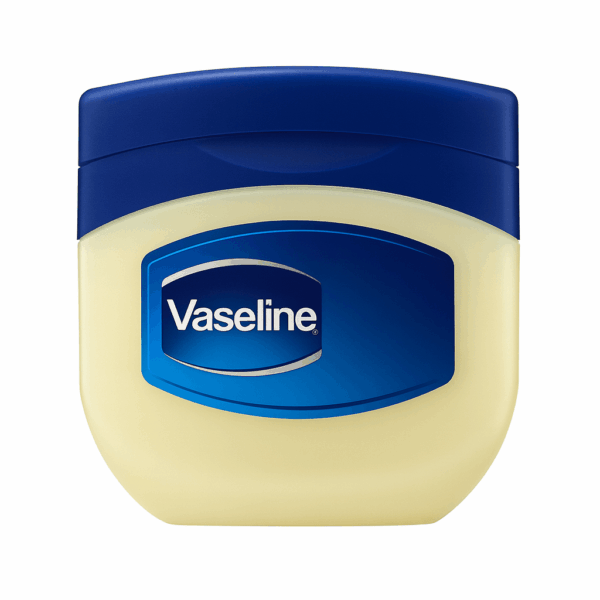
Petroleum Jelly
Some available grades of petroleum Jelly :
In Skin and hair care , white petroleum jelly is used for Preventing moisture loss , Hair grooming , Skin lubrication. This is the most common grade of jelly and is widely used in cosmetic and personal care products. It is highly refined and purified to remove impurities, color, and odor, resulting in a white or off-white color.
Yellow Petroleum Jelly is less refined than white petroleum jelly and may contain some impurities, resulting in a yellowish color. Yellow petroleum jelly is commonly used in industrial applications, such as a lubricant for machinery, rust prevention, and protection of metal surfaces.
Medical Grade Petroleum Jellyis highly purified and meets specific standards for use in medical and pharmaceutical applications. It is often used as a lubricant for medical equipment, as an ingredient in medicinal products, and for wound care.
Varnish
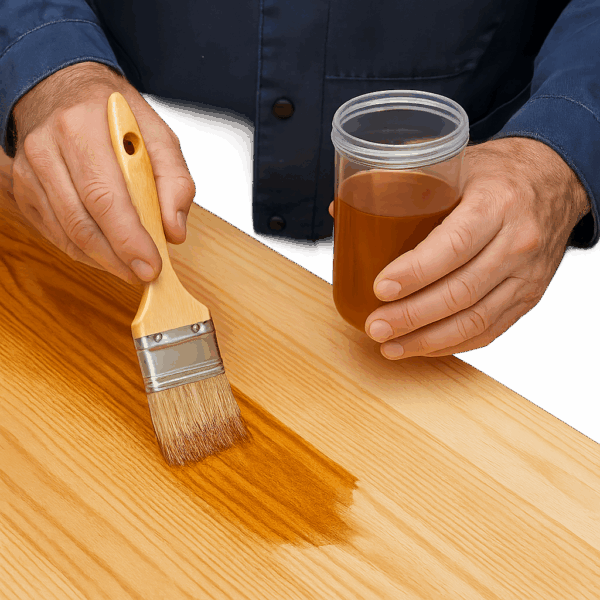
Varnish is a combination of a drying oil, a resin, and a thinner or solvent plus a metal drier to accelerate the drying. After being applied, the film-forming substances in varnishes either harden directly, as soon as the solvent has fully evaporated, or harden after evaporation of the solvent through curing processes. There are many different types of drying oils, including linseed oil, tung oil, and walnut oil that are used in varnishes and the resins can be amber, kauri gum, dammar, copal, rosin (colophony or pine resin), sandarac, balsam, elemi, mastic, and shellac. Varnish also can be created from synthetic resins such as acrylic, alkyd, or polyurethane, and Epoxy. Solvents that are used in varnishes mostly are white spirit, paint thinner, and mineral spirit.
Vermiculite Powder
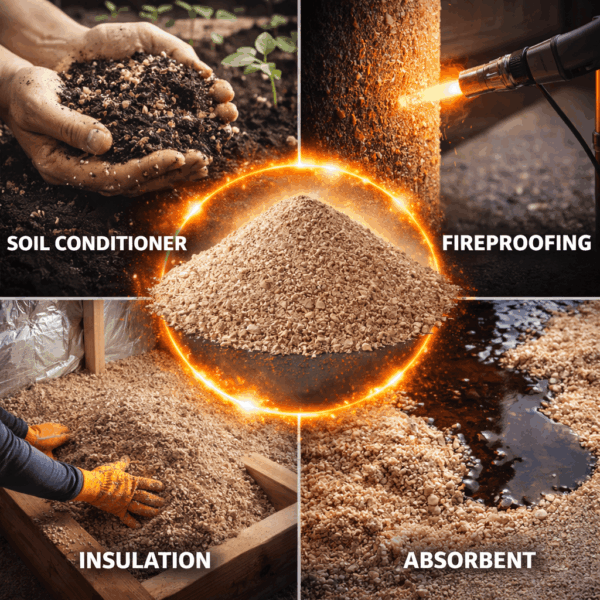
Vermiculite Powder is available in exfoliated and micronized forms, supplied in different particle size grades ranging from fine powder to coarse granules. Its primary components include magnesium, aluminum, iron silicates, and bound water, which allow the material to expand when heated and create a highly porous structure. Vermiculite is extensively used in construction materials such as lightweight concrete, fireproof boards, plasters, and insulation systems. In agriculture and horticulture, it is applied as a soil conditioner and growing medium to improve aeration, water retention, and nutrient exchange. Industrial applications include use in brake linings, refractory products, packing materials, and as a functional filler in coatings and composites. From a technical perspective, Vermiculite Powder offers low bulk density, high cation exchange capacity, neutral pH, chemical inertness, and excellent thermal and acoustic insulation performance.
Vinyl Acetate Monomer
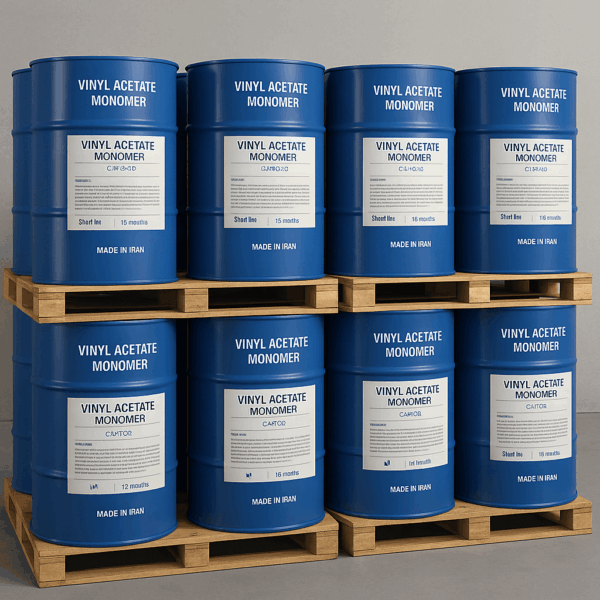
Vinyl Acetate is primarily used in the manufacture of polyvinyl acetate (PVA), polyvinyl alcohol (PVOH), ethylene-vinyl acetate (EVA) copolymers, and vinyl acetate-acrylic emulsions. These derivatives find applications in paints, adhesives, textiles, packaging films, and paper coatings due to their outstanding adhesion, flexibility, and clarity. Production is carried out through the controlled reaction of ethylene and acetic acid in the presence of a palladium catalyst, ensuring high conversion efficiency and product purity. Typical specifications include purity ≥ 99.8%, moisture ≤ 0.05%, and acetic acid content ≤ 0.3%, with stringent quality control for stability and consistency during polymerization.
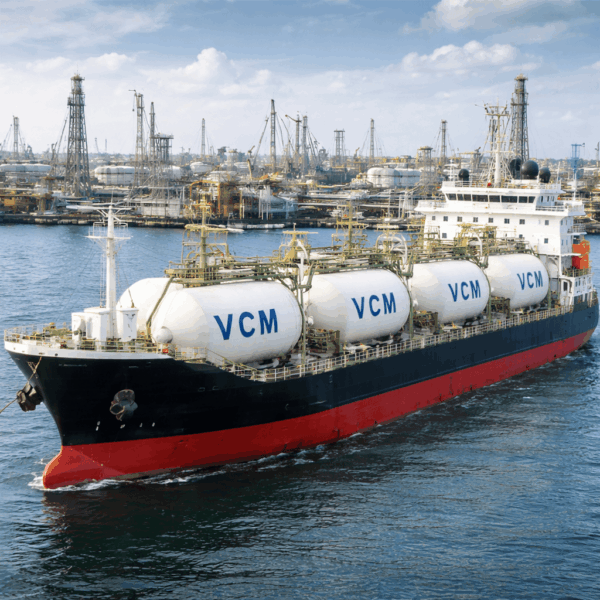
Vinyl Chloride Monomer ( VCM)
Commercially, VCM is supplied as a high-purity, colorless, flammable gas with a mild sweet odor, typically available in polymer-grade purity levels above 99.9%. It is produced mainly via the ethylene dichloride (EDC) cracking process, ensuring low impurity content such as acetylene, chlorinated hydrocarbons, and moisture. Vinyl Chloride Monomer is primarily used in suspension, emulsion, and bulk polymerization processes to manufacture PVC resins with different K-values and performance characteristics. Major applications include rigid and flexible PVC for pipes and fittings, profiles, window frames, cables and wire insulation, films and sheets, flooring, synthetic leather, medical devices, and packaging materials. From a technical standpoint, VCM is valued for its excellent polymerization control, consistent molecular weight distribution, and compatibility with various initiators and stabilizer systems. Strict quality control, stabilized composition, and controlled inhibitor levels are essential to ensure safe handling and optimal downstream processing.