Unsaturated Polyester Resin for Pultrusion

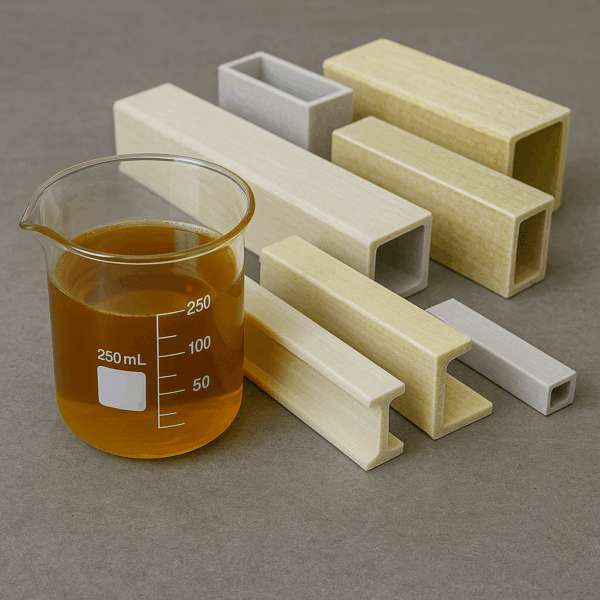
This Unsaturated Polyester Resin supports continuous, industrial-scale pultrusion lines with consistent dimensional accuracy and smooth linear profile formation. Applications include FRP structural profiles, ladder rails, cable trays, pultruded rods, rebar, window and door frames, cooling tower profiles, walkway gratings, wind turbine blades, antenna elements, marine components, fencing profiles, cross-arms, and corrosion-resistant industrial beams. Ideal for construction, infrastructure, energy, transportation, electrical support systems, and composite architecture.

Composition typically include orthophthalic or isophthalic unsaturated polyester resin, styrene monomer, MEKP initiator, cobalt accelerator, glass-wetting agents, cure-rate modifiers, low-shrink additives, impact-resistance boosters, UV stabilizers, and heat-resistant fillers. High strength pultrusion grades are designed for maximum glass content with minimal void formation.

Unsaturated Polyester Resin for SMC (Sheet Molding Compound)

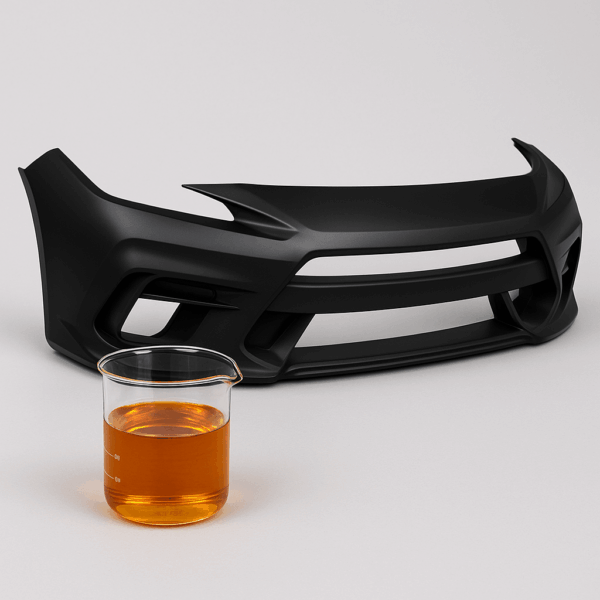
Optimized reactivity profile of SMC resin allows fast molding cycles, reduced material waste, and smooth class-A surface quality. SMC polyester resins can be sued to produce automotive body panels, truck & bus exterior parts, electrical enclosures, switchgear components, junction boxes, appliance housing, sanitary parts, doors, roofing panels, lightweight structural pieces, and corrosion-resistant industrial moldings. SMC-based composites are widely used in automotive, electrical, building infrastructure, renewable energy, and industrial equipment due to their long service life and reliability.

Composition generally include isophthalic or orthophthalic UPR resin, low-profile additives, styrene monomer, MEKP catalyst system, cobalt accelerator, hydro-treated fillers (CaCO₃ or ATH), glass fiber mats/chopped strands, thickeners (MgO/Mg(OH)₂), mold-release agents, pigments, and elevated temperature stabilizers. The formulation supports high filler loading without losing flow or mechanical performance.

Unsaturated Polyester Resins for Abrasives

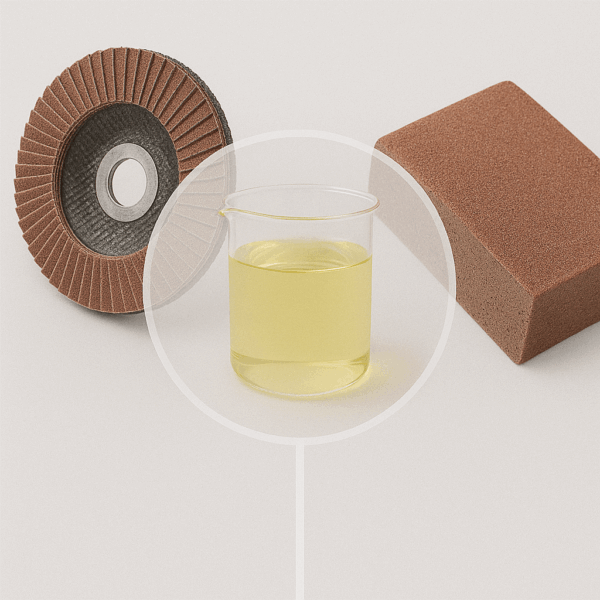
Abrasive Polyester Resin cures into a rigid, impact-resistant matrix capable of withstanding heavy mechanical stress so that it can be sued in cutting wheels, grinding stones, flap discs, polishing blocks, deburring wheels, sharpening stones, sanding blocks, industrial abrasive segments, and surface finishing tools used in metalworking, construction, automotive repair, and machinery maintenance. It is suitable for both cold-cure and hot-press abrasive manufacturing.

Composition generally include orthophthalic or modified unsaturated polyester resin, styrene monomer, MEKP curing agent, cobalt accelerator, heat-resistant fillers, alumina or silicon carbide grain bonding agents, friction-enhancing additives, plasticizers, and low-shrink stabilizers. Additional additives such as graphite, ceramic powder, or zirconia may be integrated for premium abrasive grades.

UV Cure Acrylic Resin

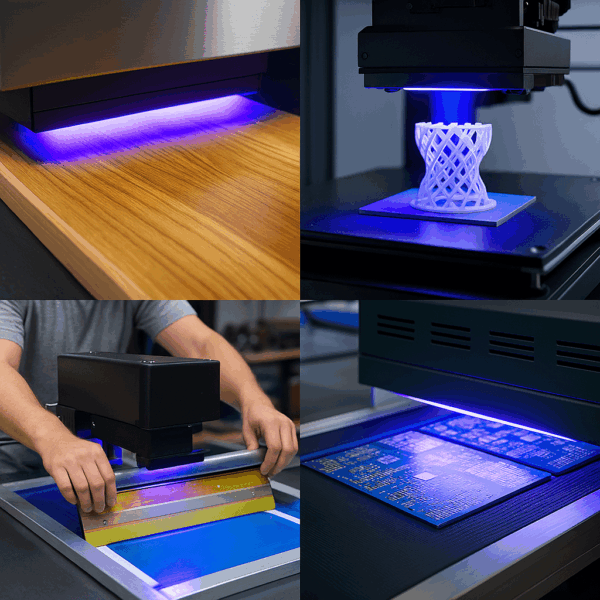
They offer outstanding scratch resistance, chemical durability, surface hardness, and high gloss retention while maintaining excellent transparency and leveling. Formulated for eco-friendly coatings, UV-cured acrylic systems contain little to zero VOC, support 100% solid formulations, and deliver exceptional productivity in continuous industrial processes. Their rapid curing chemistry produces dense cross-linked polymer networks with superior abrasion resistance, solvent resistance, and thermal stability. Resin grades can be tailored for flexibility, hardness, adhesion, matte or gloss finish, depending on end-use requirements. They are ideal for companies aiming to improve throughput, reduce energy usage, and achieve premium surface performance in modern UV-curable coating and ink technologies.

Water Base Acrylic Resin

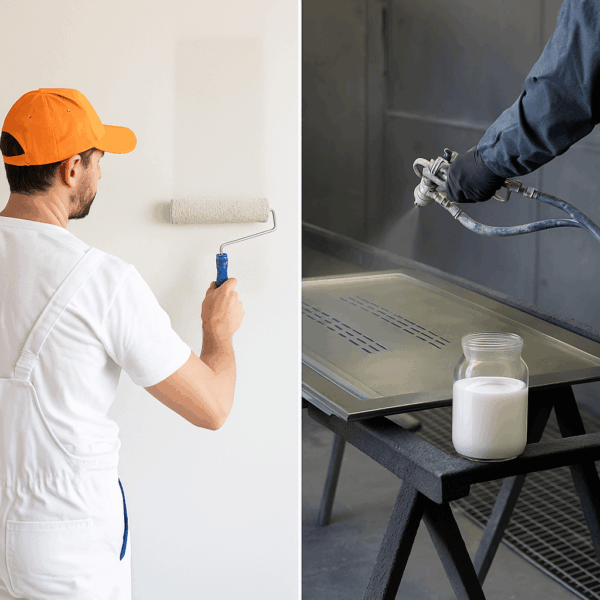
Water-borne acrylic systems provide outstanding adhesion to concrete, metal, wood, plastic, and composite surfaces, supported by strong UV resistance, color retention, and crack-resistance. Their fast drying performance, low surface tack, and high gloss potential make them ideal for interior and exterior water-borne paints, protective coatings, and decorative emulsions. The polymer network ensures long-term durability against moisture, alkali, abrasion, and chemical exposure. Water-Based Acrylic Resins are widely used in architectural wall paints, emulsion coatings, water-reducible industrial enamels, wood & parquet coatings, road marking paints, flexible roof coatings, plastic & metal primers, and water-borne printing inks.

Water Based Acrylic Adhesives

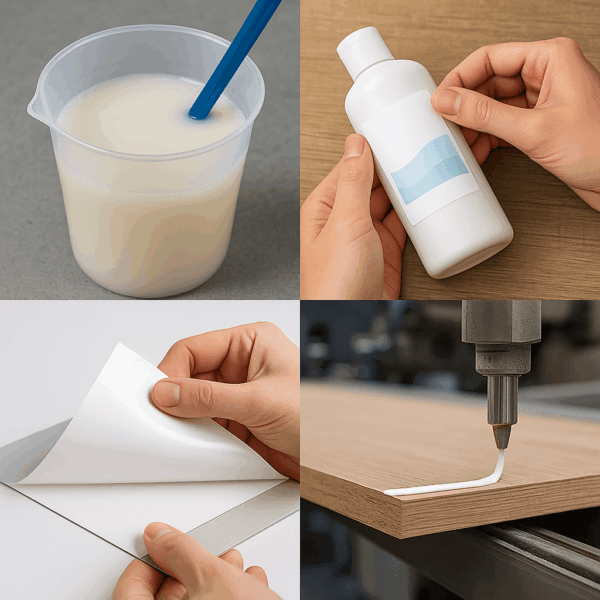
Available types include pressure-sensitive acrylic adhesives (PSA), laminating adhesives, heat-seal grades, label adhesives, packaging adhesives, woodworking grades, and specialty formulations for construction and automotive interior applications. Enhanced grades such as high-tack, removable, repositionable, deep-freeze resistant, UV-resistant, and high-temperature acrylic systems support diverse industrial requirements and converting processes. Their low-VOC profile and non-flammable nature make them ideal for modern manufacturing lines seeking safer and greener adhesive technologies. Key advantages of water-based acrylic adhesives include outstanding aging resistance, excellent transparency, superior UV stability, and strong cohesive strength.

Water-Reducible Saturated Polyester Resins

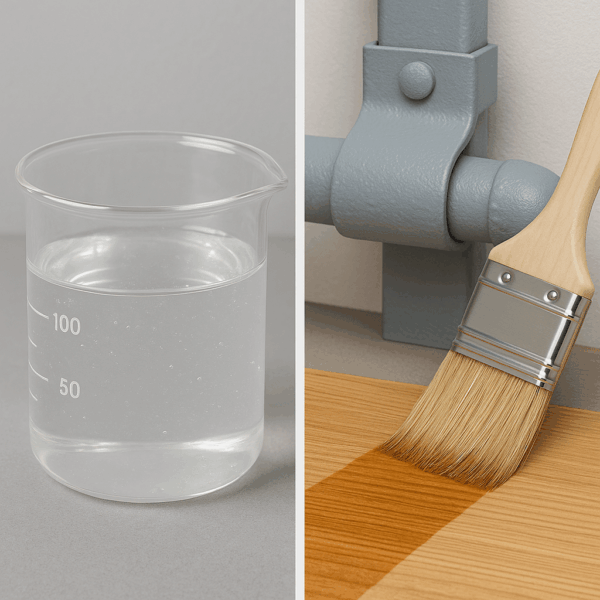
Their excellent adhesion, smooth film appearance, and fast drying make them ideal for metal coatings, wood finishes, can coatings, coil coatings, plastic substrates, primers, and topcoats. Typical ingredients include terephthalic acid (PTA), isophthalic acid (IPA), neopentyl glycol (NPG), adipic acid, cyclohexane dimethanol (CHDM), polyols, and hydrophilic modifying agents that enhance water compatibility. Water-Reducible polyester resins have many advantages such as low VOC, excellent water dispersibility, high gloss clarity, strong chemical resistance, and long-term weather protection. These resins offer good corrosion defense, high drying efficiency, stain resistance, and superior mechanical strength for high-speed production lines.