

 Arabic
F
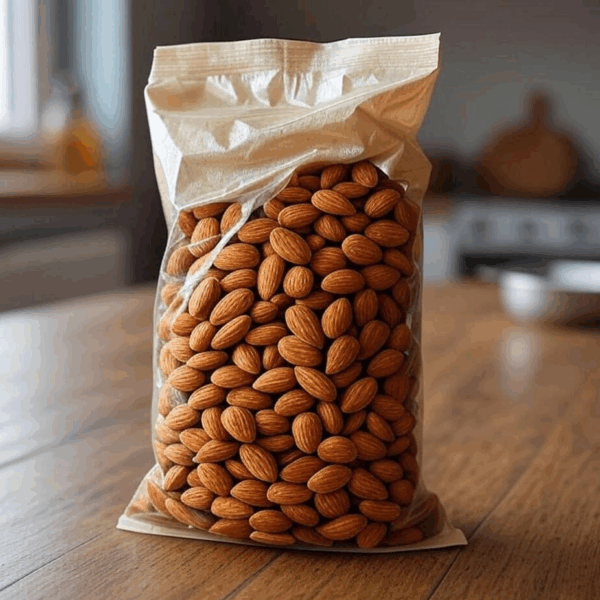
Almonds
Available Almond sizes :
16/18: Indulge in larger almonds, with 16 to 18 pieces per ounce.
18/20: Enjoy slightly smaller almonds, with 18 to 20 pieces per ounce.
20/22: Delight in medium-sized almonds, with 20 to 22 pieces per ounce.
23/25: Savor smaller almonds, with 23 to 25 pieces per ounce.
24/26: Relish relatively smaller almonds, with 24 to 26 pieces per ounce.
27/30: Experience small-sized almonds, with 27 to 30 pieces per ounce.
30/32: Enjoy smaller almonds, with 30 to 32 pieces per ounce.
32/34: Discover the smallest size category, with 32 to 34 pieces per ounce.
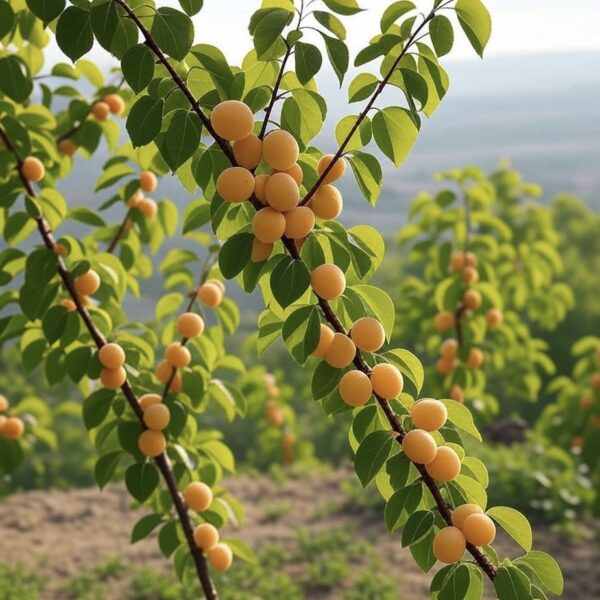
Apricot
Apricots are considered to be Stone Fruits (Drupe). With their juicy flesh and delicate aroma, apricots are a popular choice for jams, pies, desserts, and even savory dishes.
Types of Apricots in Iran:
- Almond Apricots
- Funnel Apricots
- Shredded Sugar Apricots (Shakarpareh)
- Nakhjavan Apricots
- Ghavami Apricots
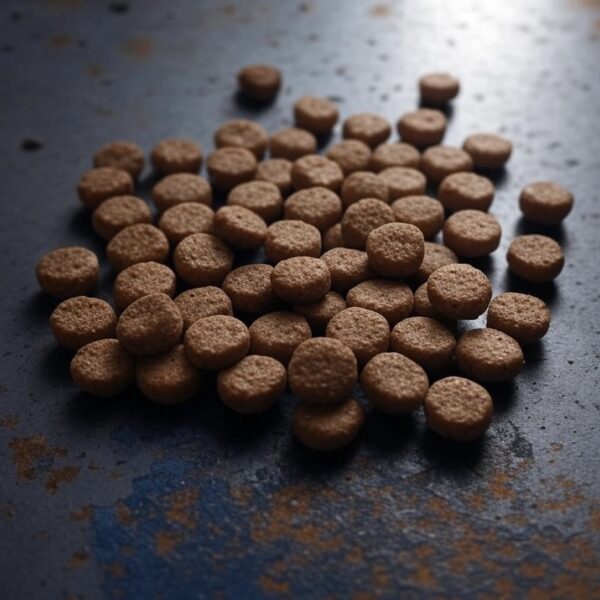
Aquatic feeds ( Fish Feeds )
The nutritional content of the feed depends on what species of fish is being cultured and at what life stage. When fish are reared in high-density indoor systems or confined in cages and cannot forage freely on natural food (e.g., algae, aquatic plants, aquatic invertebrates, etc.), they must be provided a complete diet. In contrast, supplemental (i.e., incomplete or partial) diets are intended only to help support the natural food normally available to fish in ponds or outdoor raceways. Supplemental diets do not contain a full complement of vitamins or minerals but are typically used to help fortify the naturally available diet with extra protein, carbohydrate, and/or lipids.
Commercial fish diets are manufactured as either extruded (floating or buoyant) or pressure-pelleted (sinking) feeds. Both floating and sinking feed can produce satisfactory growth, but some fish species prefer floating, others sinking.
Feed is available in a variety of sizes ranging from fine crumbles for small fish to large (1/2-inch or larger) pellets. The pellet size should be approximately 20-30 percent of the size of the fish’s mouth gape.
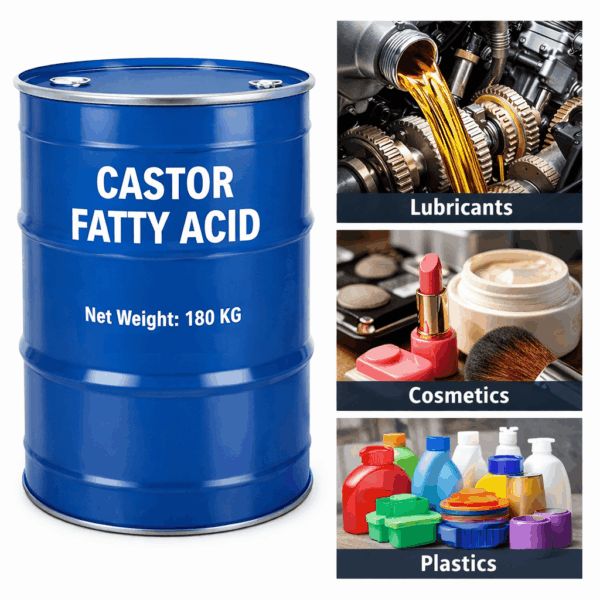
Castor Oil Fatty Acids
Typical technical specifications include acid value, hydroxyl value, iodine value, moisture content, and color (APHA), ensuring consistent quality and processing reliability. These fatty acids perform exceptionally well in esterification, neutralization, and polymer modification processes. Their unique hydroxyl functionality enhances solubility and compatibility in complex chemical systems. Products are commonly supplied in drums, IBCs, flexitanks, and bulk tankers to support global commercial distribution.
Castor Oil Fatty Acids are extensively used in lubricants and metalworking fluids, coatings and resins, polyurethanes, rubber and plastic additives, cosmetics and personal care products, surfactants, and chemical intermediates. They are also applied in specialty greases and high-performance industrial formulations. With stable global demand, strong technical performance, and sustainable sourcing, Castor Oil Fatty Acids remain a preferred solution for manufacturers seeking high-value, bio-based fatty acids for specialized applications.
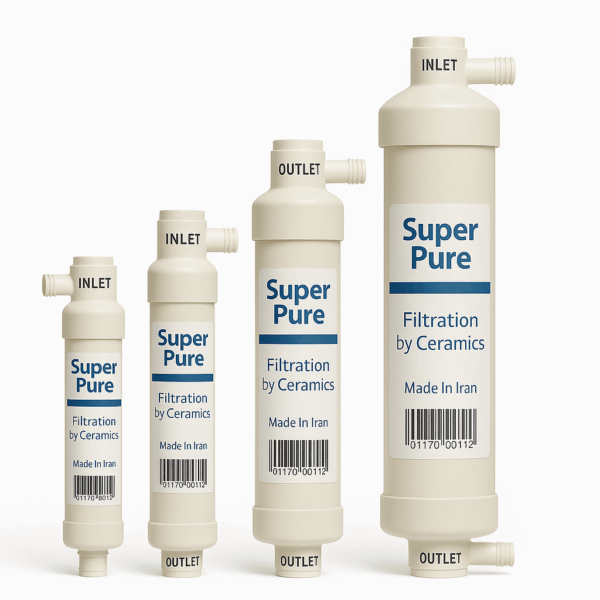
Ceramic Water Filter
Manufactured from high-grade diatomaceous earth and kaolin clay, Ceramic water filters feature a porous structure with a pore size between 0.1 and 0.5 microns. They come in a variety of types, including candle-type filters, dome-type filters, and cartridge-style filters, and are available in sizes ranging from 5 to 12 inches. Some models include a silver-impregnated layer for enhanced antibacterial protection, while others are combined with activated carbon or ion-exchange resins for chemical adsorption. The chemical composition mainly consists of silica (SiO₂), alumina (Al₂O₃), and magnesium oxide (MgO), ensuring thermal stability and mechanical strength. Each unit is tested to meet NSF and ISO drinking water standards, offering a consistent flow rate of 1–3 liters per hour under normal pressure conditions.

Cherry
Uses :
– Cherries can be eaten fresh, baked into pies, or used to make jams and jellies.
– They are often used to flavor cakes and ice cream.
– Cherries are a good source of Vitamin B.
Types
– Sweet cherries (Prunus avium) are typically favored for fresh eating and drying.
– Sour cherries (Prunus cerasus) are superior for cooking, baking, and canning.
– Dukes are crosses of sweet and sour cherries.
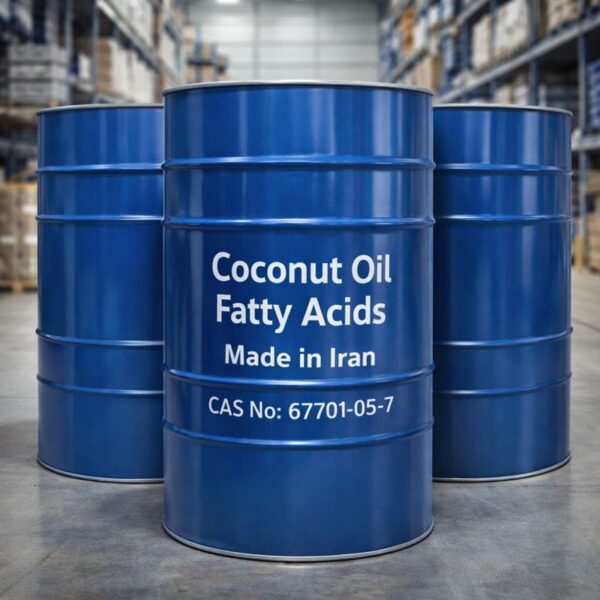
Coconut Oil Fatty Acids
Their clean profile makes them suitable for both industrial and consumer-focused formulations, Coconut Oil Fatty Acids are available in refined, distilled, and technical grades, including lauric-rich and fractionated cuts tailored to specific applications. Key features include strong foaming performance, excellent detergency, good emulsifying properties, and low color and odor. Typical technical specifications include acid value, iodine value, saponification value, moisture content, and fatty acid composition, ensuring uniform quality and predictable processing behavior. These fatty acids perform efficiently in saponification, esterification, and surfactant production processes. Their biodegradable and renewable nature supports compliance with environmental and regulatory standards. Packaging options include drums, IBCs, flexitanks, and bulk tankers for efficient global supply.

Complete Fuel System Cleaner
Commercial fuel system cleaners are available in gasoline-specific, diesel-specific, and universal multi-fuel formulations, offered as concentrated additives or ready-to-use treatments. Typical components include high-efficiency detergents, deposit control additives, dispersants, corrosion inhibitors, and combustion catalysts that dissolve carbon, varnish, and gum buildup. These products are widely used in passenger cars, light commercial vehicles, heavy-duty trucks, motorcycles, generators, and industrial engines to restore injector spray patterns, improve cold starts, and stabilize fuel quality. Advanced formulations are compatible with modern fuel systems, catalytic converters, turbochargers, and emission control devices, including GDI, MPI, and common-rail diesel systems.
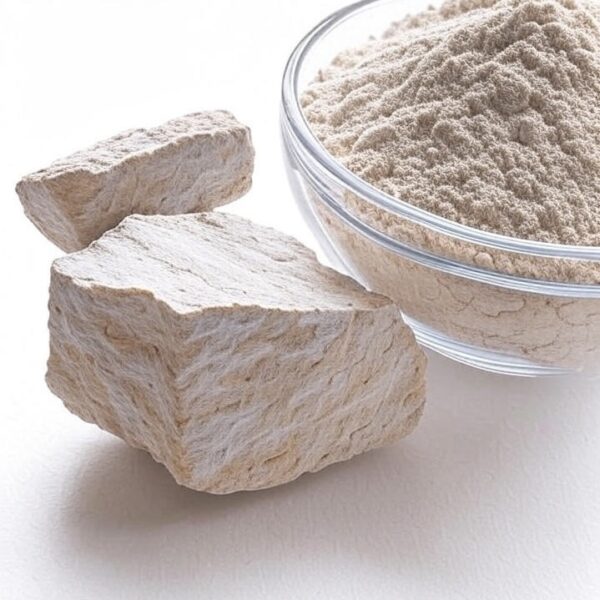
Feldspar
All feldspars have a hardness of about six on the Mohs scale, which falls between a steel knife (5.5) and quartz (7). Most feldspar minerals have a whitish appearance with a glassy luster, although a few contain shades of orange.
There are three types of feldspars: plagioclase, alkaki, and barium.
Feldspar is extracted from rocks and crushed into fine powder or granules that are used in the manufacturing of ceramic tile, plate glass, pottery, paint, plastics, and fiberglass insulation.
In Glass production , Feldspar provides both K2O and Na2O for fluxing, and Al2O3 and CaO as stabilizers.

Ferro Manganese Powder
Ferro Manganese Powder is available in high-carbon, medium-carbon, and low-carbon grades, with controlled manganese content typically ranging from 65% to 80% Mn, balanced with iron and minimal impurities. The powder form is supplied in different particle size ranges, from fine to coarse, to meet specific process requirements. It is primarily used as a deoxidizer and desulfurizing agent in steel production, improving toughness, hardenability, and surface quality of finished steels. Ferro Manganese Powder is also utilized in foundry applications, welding electrode coatings, flux formulations, and powder metallurgy, where accurate chemical composition and rapid reaction are essential. Its controlled chemistry helps prevent hot shortness caused by sulfur and improves overall metallurgical performance. Key technical properties include chemical composition, particle size distribution, bulk density, and moisture content, ensuring consistent behavior during melting and alloying operations.

Ferro Nickel Powder
Our ferro nickel powder is available in different commercial grades, typically defined by the ratio of iron to nickel, ranging from 30% to 75% nickel content. Common types include atomized ferro nickel powder, electrolytic ferro nickel powder, and fine-grade powders for specialized uses. Ferro nickel powder is essential in the production of stainless steel, superalloys, and powder metallurgy components, where it enhances corrosion resistance, toughness, and heat resistance. It is also used in the manufacturing of batteries, fuel cells, magnets, and welding electrodes. Due to its controlled particle size and purity levels, it is ideal for sintering, blending, and additive manufacturing processes. The powder’s excellent flowability and reactivity make it suitable for high-precision applications in aerospace, automotive, and energy industries. Commercial packaging options include sealed 1 kg and 5 kg containers, 25 kg bags, and bulk bags, offering flexibility for both small and large-scale operations.

Ferro Silicone Powder
Ferro Silicon Powder is available in different silicon grades, commonly ranging from 45%, 65%, to 75% Si, with iron as the balance and very low levels of aluminum, calcium, sulfur, and phosphorus. It is produced in various particle size ranges, from fine powders to coarser fractions, depending on application needs. The primary use of Ferro Silicon Powder is as a strong deoxidizer in steel production, where it improves cleanliness, strength, and surface quality of steel. It is also widely applied as an inoculant in cast iron, enhancing graphite formation and mechanical properties. Additional applications include foundry fluxes, welding electrode coatings, powder metallurgy, and the production of silicon-based alloys and specialty steels. Due to its high reactivity and controlled chemistry, ferro silicon powder supports consistent metallurgical performance and efficient alloy recovery. Key technical parameters include silicon content, particle size distribution, bulk density, and moisture level.