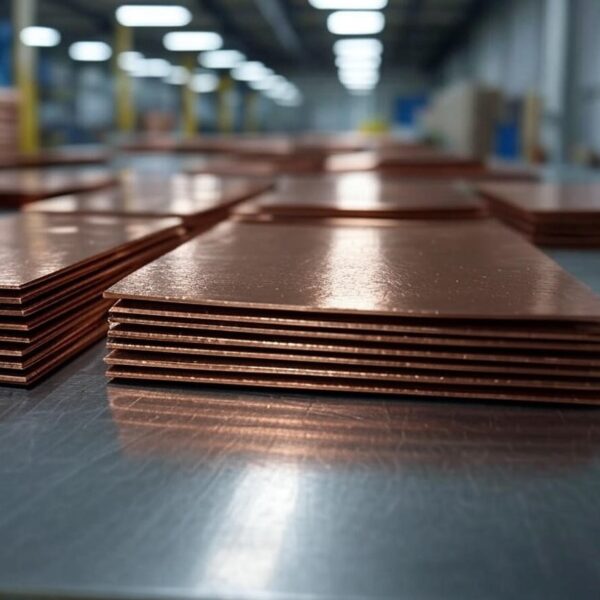
Copper Foil is extensively used in lithium-ion batteries as the current collector for anodes, where consistent thickness, surface quality, mechanical strength, and electrical conductivity are critical to battery performance and manufacturing efficiency. Battery-grade copper foil is commonly produced in very thin gauges, particularly around 6–10 µm for advanced battery applications, although other thicknesses are also available according to cell design and manufacturer requirements. Copper foil is also a fundamental material in printed circuit boards (PCBs), where it forms the conductive layer used to create electrical circuits and interconnections. PCB copper foil is available in different thicknesses, commonly expressed in ounces per square foot as well as micrometers, with selection depending on circuit design, current capacity, thermal requirements, and manufacturing technology. Rolled copper foil is often selected where high flexibility, superior mechanical properties, and controlled surface characteristics are required, including flexible printed circuits, electromagnetic shielding, connectors, precision components, and specialized electronic products. Electrolytic copper foil is widely used in PCB manufacturing and battery production because its manufacturing process can provide controlled thickness and suitable surface characteristics for bonding and coating. Industrial copper foil is also used in heat exchangers, transformer components, electrical insulation systems, shielding materials, roofing and architectural products, conductive tapes, solar and energy-related equipment, and various precision-engineered components. Copper foil can be supplied with smooth, matte, treated, or specially engineered surfaces to improve adhesion, solderability, coating performance, or resistance to oxidation. For B2B procurement, buyers should specify the intended application, copper purity, thickness, tolerance, width, roll weight, surface treatment, mechanical properties, and required international or customer-specific standard before ordering.
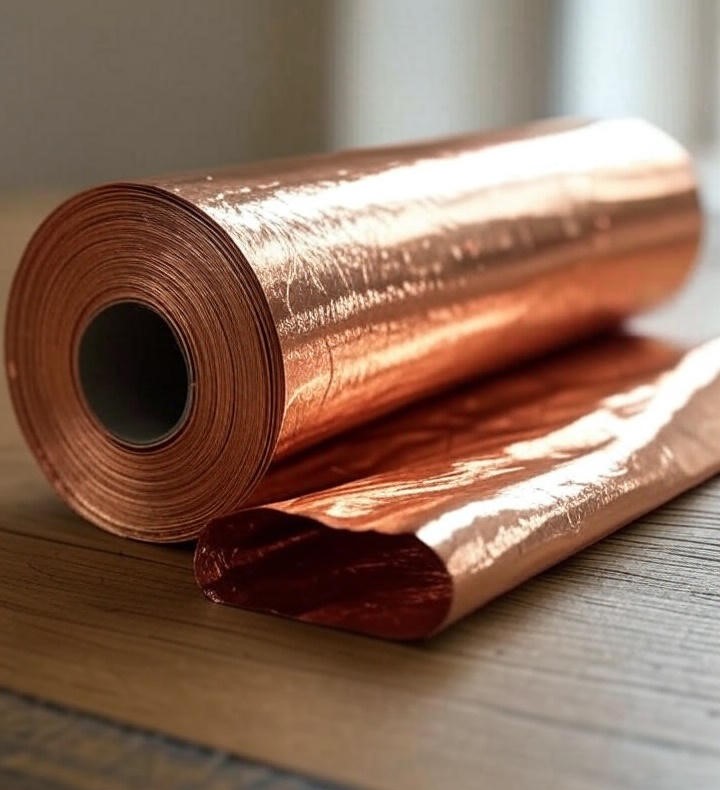
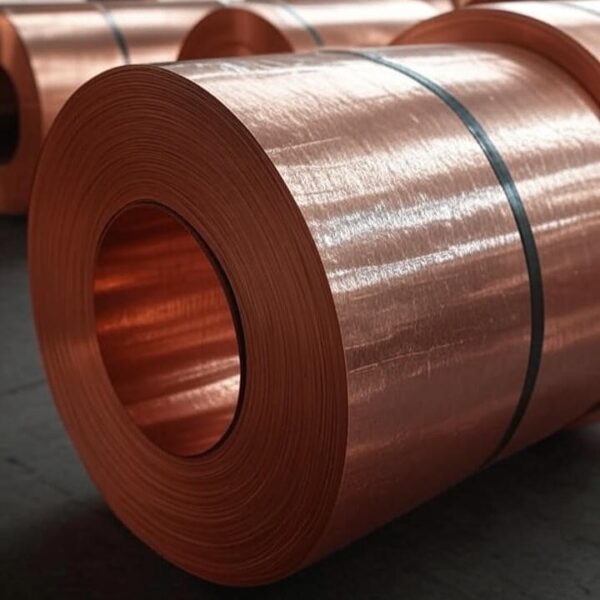
For international buyers, selecting the right Copper Foil supplier requires careful evaluation of technical capability, production consistency, available grades, quality control, packaging, export experience, and ability to supply the required quantity on schedule. Copper foil is normally supplied in rolls or coils, and commercial specifications can include customized roll width, core diameter, outer diameter, net weight, and packaging according to the buyer’s production line and transportation requirements. Protective packaging is important because the thin foil surface can be damaged, scratched, oxidized, or contaminated during handling and transportation. Buyers may request a Certificate of Analysis, technical data sheet, quality certificate, inspection report, packing list, certificate of origin, and other export documentation according to the destination market and purchase contract. For electrical and battery applications, particular attention should be given to purity, electrical conductivity, thickness uniformity, surface roughness, tensile strength, elongation, and defect control. Iran has an established non-ferrous metal and copper-processing industry, creating opportunities for sourcing copper products for regional and international markets.


 Arabic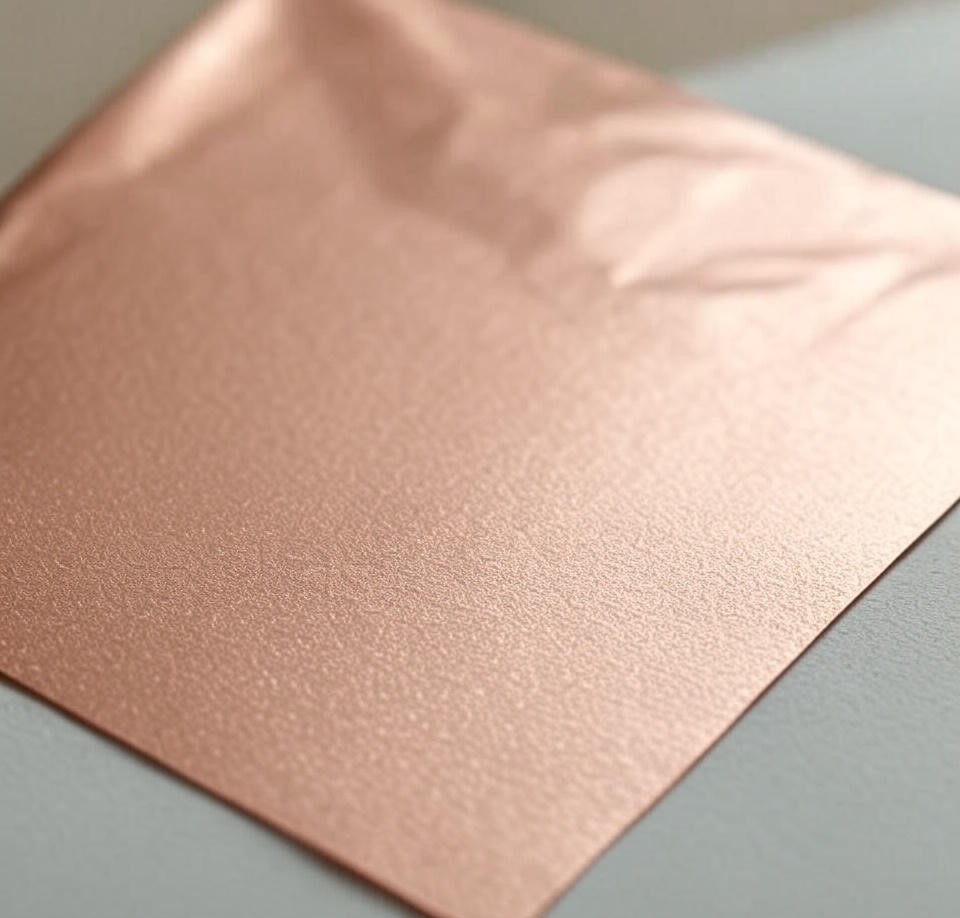








Reviews
Clear filtersThere are no reviews yet.