

 Arabic
shop
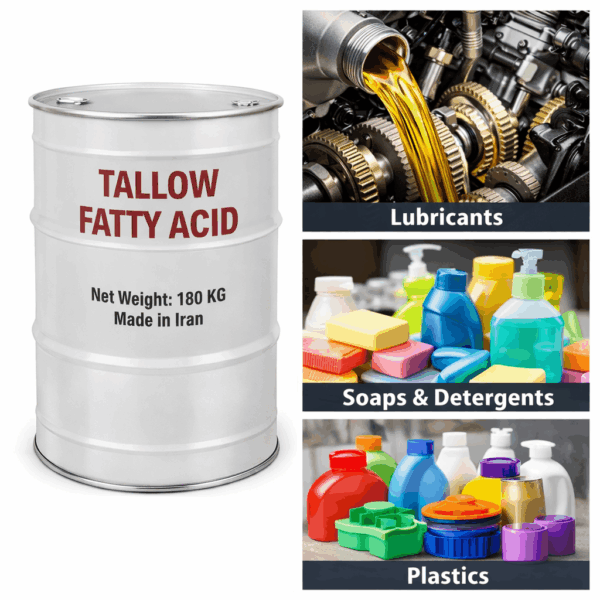
Tallow Fatty Acids
Commercially available grades of Tallow Fatty Acids are mainly classified according to their fatty acid profile and degree of purification. Distilled Tallow Fatty Acid (DTFA) is a highly purified grade with lower impurities and is commonly used in cosmetics, personal care products, high-quality soaps, and specialty chemical formulations. Standard Tallow Fatty Acid is widely used for industrial soap manufacturing, detergents, lubricants, and rubber processing. Stearic-Rich Tallow Fatty Acid grades with high stearic acid content are preferred for candles, plastic additives, PVC stabilizers, rubber compounds, and metal stearates. Oleic-Rich Tallow Fatty Acid grades provide improved flexibility and are used in lubricants, emulsifiers, and surface-active agent production. The selection of each grade depends on the required melting point, fatty acid composition, color, and performance characteristics in the final application.
Tallow Fatty Acids offer several advantages including excellent biodegradability, renewable raw material origin, high chemical stability, good emulsification properties, superior lubricating performance, and compatibility with a wide range of industrial formulations. They provide consistent quality and reliable performance in demanding manufacturing processes and are considered an important bio-based raw material for global industries. Due to their versatility and cost effectiveness, Tallow Fatty Acids are exported worldwide for applications in oleochemicals, cleaning products, cosmetics, pharmaceuticals, plastics, rubber, textiles, and metalworking industries. Advanced purification methods and strict quality control ensure that exported Tallow Fatty Acids meet international industrial standards and customer specifications.
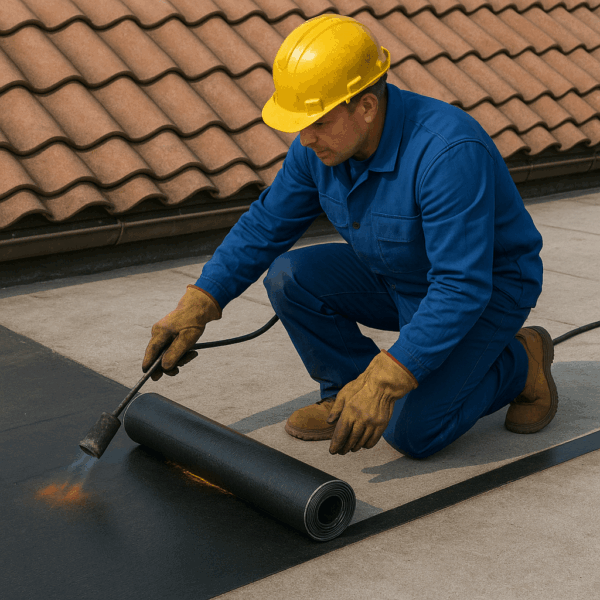
Tarfelt Insulation Rolls
Based on base material the Grade and type of Felt is defined. The base material is thoroughly and uniformly saturated with Bitumen. Saturated felt shall be treated by passing through bituminous content mineral. The tarfelt insulation can be used in Terrace and basements Water proofing, Damp Proofing of roofs, and insulating pools. It is Tough, Durable, Cost Effective and Less prone to damage.
- Rolls: 1 Mt W X20 Mt L
- Each Felt (Std. Grade): 34 KG – 50 KG
- Felt thickness: 2.5 – 5 mm
All kinds of Tarfelt rolls are available including:
- Aluminum foil coated: the foil can return the sunlight and increase working life
- One layer felt, this kind of felt has one layer of polyester that enables it to be more flexible and can be used very well for uneven surfaces.
- 2 layers: there are one layer of glass fiber and one layer of polyester and normally are used for insulation of roofs
- Patterned felt (brick pattern, stone pattern, swimming pool tiles pattern …)

Tea Bag
Tea bags come in many shapes and materials, including flat, pyramid, and round. They can be made from filter paper, cotton, or plastic. Flat tea bag or square tea bag is the most common type of tea bag, made from filter paper. Pyramid one is A 3D shape that allows tea leaves to expand and release more flavor. Round tea bag is A tea bag shape that some say is just as good as flat and a Stick-like is A perforated foil tube that needs to be stirred to infuse.
Tea bags typically come with just the tea leaves inside, but there are a few extra options that can be added to make the tea-drinking experience more convenient and enjoyable.
Tea bags Material normally are
- Filter paper: A blend of wood and vegetable fibers
- Cotton muslin: A material that allows tea to develop its full flavor
- Nylon: A non-biodegradable plastic that some pyramid tea bags are made from
- PLA/Soilon: A biodegradable plastic made from corn starch

Tea Biscuits
Our product range includes Sweet Tea Biscuits, Digestives, Shortbread, Maria Biscuits, Bourbon Creams, Custard Creams, Hobnobs, Biscotti, Cream Crackers, Water Biscuits, and Oatcakes. Each variant is manufactured using optimized formulations to ensure dependable crispness, stable moisture content, and excellent dipping performance. Distributors may choose from multiple flavors, sweetness levels, and sizes to meet local market demands. We offer bulk cartons, retail-ready packs, and full private-label solutions. With flexible production lines, we support OEM manufacturing and customized packaging. All products are designed to meet international food safety and export standards.
Tea Biscuits serve a wide range of applications across retail, café chains, hospitality, and food processing industries. They are suitable for cheese boards, snack assortments, travel packs, dessert bases, bakery ingredients, and ready-to-eat meal kits. Our stable formulations ensure long shelf life and reliable container transport. We provide consistent supply, export documentation, palletized loading, and wholesale order management. For partners seeking high-volume biscuit supply with strong consumer demand, our Tea Biscuits deliver performance, versatility, and excellent market value.

Tempera Art Paint
The pigments used in a paint can be derived from natural sources, such as minerals and plants, or they can be synthesized chemically in a laboratory. The binder holds the pigments together to help the paint adhere to the painted surface. Other ingredients, such as solvents that adjust the paint’s consistency or additives that improve its performance or durability, may also be added to the mixture. Tempera paint is a fast-drying paint made with pigments mixed with a water-soluble binder, such as egg yolk or casein. It has a matte finish and is known for its ability to create bright, flat areas of color.
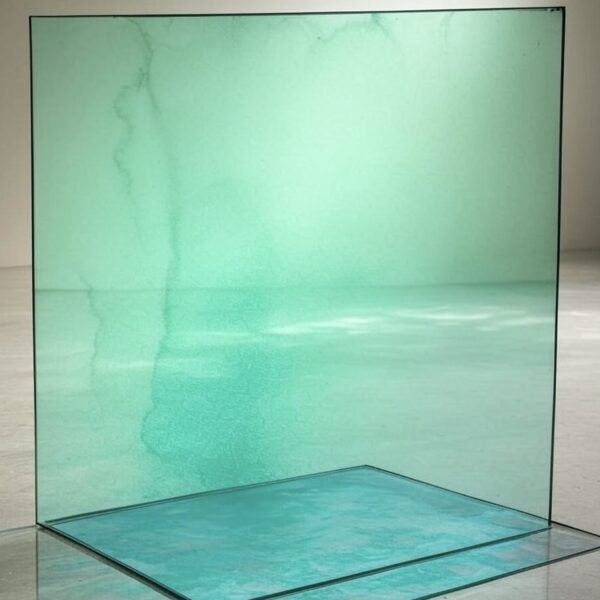
Tempered Glass
Tempered glass is commercially supplied in a wide range of thicknesses, commonly from approximately 4 mm to 19 mm, with other thicknesses available according to production capabilities and project requirements. Standard and customized sheet dimensions can be supplied, including large-format architectural panels, while precise tolerances and edge-finishing requirements can be specified for different applications. Depending on the intended use, tempered glass may be supplied with flat-polished, pencil-polished, beveled, or other professionally finished edges. Its major technical advantages include high impact resistance, improved thermal shock resistance, good dimensional stability, excellent light transmission in clear grades, and enhanced safety characteristics. When broken, fully tempered glass generally fractures into relatively small, blunt-edged granular pieces rather than large sharp shards. Heat-strengthened glass is another commercially available heat-treated option, offering higher strength than annealed glass while retaining different breakage characteristics from fully tempered glass. Laminated tempered glass is also widely used when additional security, acoustic performance, or post-breakage retention is required, combining tempered glass with an interlayer such as PVB or SGP.
Tempered Glass is widely used in residential, commercial, industrial, transportation, and interior applications where enhanced strength and safety are required. Common applications include building facades, glass doors, shower enclosures, partitions, balustrades, staircases, curtain walls, office interiors, storefronts, furniture, tables, display cases, skylights, and architectural glazing systems. It is also used in automotive and transportation glazing, machinery guards, electrical equipment, appliances, and various industrial structures where resistance to thermal stress and mechanical impact is important. For export and commercial distribution, tempered glass is normally packed according to panel size, thickness, weight, and transportation method. Individual sheets are separated with suitable protective materials and securely arranged in reinforced wooden crates, export-grade wooden cases, or specially designed steel racks to reduce the risk of edge damage and breakage during handling and transportation. Protective corner materials, interlayer paper or powder, moisture protection, and appropriate labeling can also be incorporated according to customer requirements. Commercial supply can therefore be customized by glass type, thickness, dimensions, processing, edge finish, color, coating, packaging method, and application, making tempered glass a versatile solution for modern construction, architecture, interior design, industrial equipment, and specialized glazing projects.

Terephthalic Acid
This white solid is a commodity chemical, used principally as a precursor to the polyester PET, used to make clothing and plastic bottles. Terephthalic acid is also used in the production of PBT plastic (polybutylene terephthalate). Virtually the entire world’s supply of terephthalic acid is consumed as precursors to polyethylene terephthalate (PET). It is also used in Polyester fibers based on PTA , paints as a carrier, as a raw material to make terephthalate plasticizers such as dioctyl terephthalate and dibutyl terephthalate.
The production process of Terephthalic Acid is based on the catalytic oxidation of para-xylene (PX) in the presence of acetic acid as a solvent and metal-based catalysts under controlled temperature and pressure conditions. After oxidation, purification, crystallization, filtration, and drying processes are performed to achieve high-purity PTA with controlled physical and chemical properties. Commercially available types include standard Purified Terephthalic Acid (PTA) for polyester fiber production, bottle-grade PTA for PET resin manufacturing, and industrial-grade PTA for various polyester applications. Each grade is supplied according to customer specifications and is suitable for textile fibers, polyester films, PET bottles, engineering plastics, and specialty polymer applications.
Testliner Paperboard
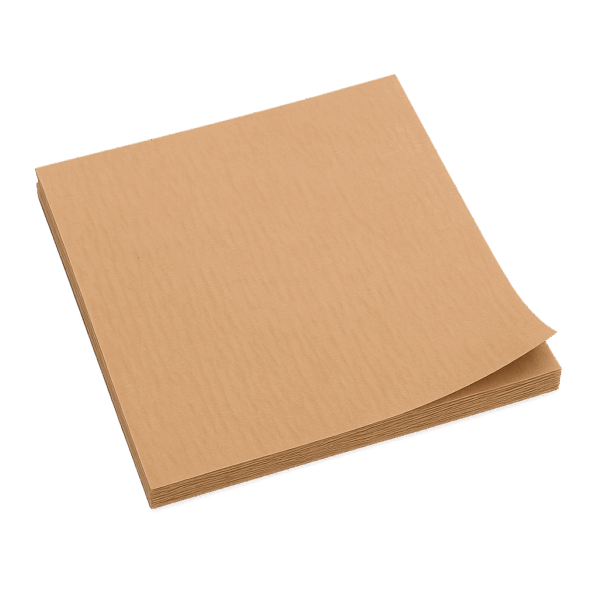
The strength of Testliner can be supplied in different grades with varying burst strengths depending on the recycled fiber content. This kind of paperboard is cost-effective option compared to virgin fiber paper, environmentally friendly due to its recycled nature. Testliner is good in situations where protection of products is beneficial, but further stabilization is not necessary. This could be in relation to stacking items that are subsequently packed in boxes. The Testliner paper is commonly used for the food packaging , customer goods packaging and Liner sheets within corrugated cartons.

Thermoplastic Acrylic Resin
These resins provide outstanding gloss, color retention, UV stability, and resistance to yellowing—ideal for exterior and automotive-grade coatings. Thermoplastic acrylics offers superior clipping resistance, abrasion resistance, and mechanical strength while maintaining excellent clarity and flow behavior. We can manipulate Tg, molecular weight, and softness to design products ranging from hard coatings to flexible film-forming systems with excellent impact resistance. Thermoplastic Acrylic Resins are widely used in road marking paints, industrial maintenance coatings, can & coil coating systems, aerosol & spray paints, metal primers, plastic coatings, printing inks, construction coatings, and traffic safety paints.
Thermoplastic Acrylic Resins dissolve in a wide range of solvents, enabling easy viscosity control for high-speed application methods including spray, brush, dip, roll, and flow coating systems. They can deliver quick-drying efficiency, excellent film levelling, superior outdoor weather stability, and long-term color durability and also offer a reliable balance of hardness, flexibility, and adhesion with stable rheology for large-scale production. These acrylics support modern performance coating technologies with proven industrial results.
Available Grades:
- Solid Resin Chips
- Solution Grades
- High-Solid Low-VOC Formats
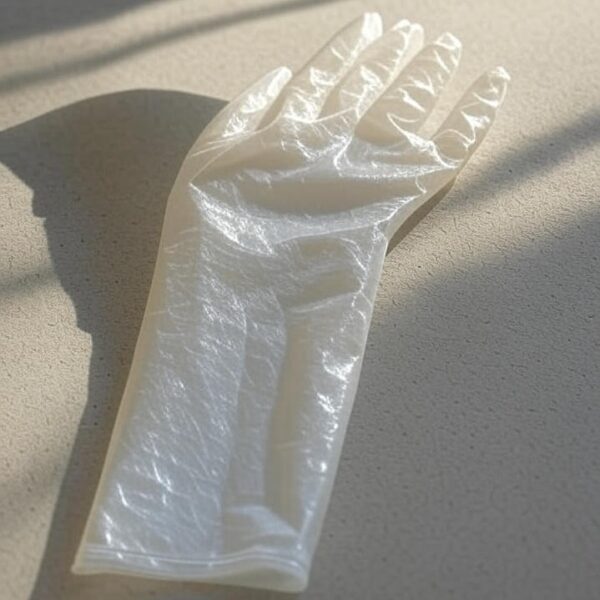
Thermoplastic Elastomer (TPE) Gloves
The advantage of TPE gloves is they are better for the environment, as the polymers can be recycled and reshaped. Overall, they are resilient and can replace single-use gloves in a number of circumstances for companies concerned with sustainability.
Thermoplastic elastomer gloves are comfortable and disposable gloves designed to keep the wearer protected while working in their respective industry. Specifically, TPE gloves are an essential form of personal protective equipment (PPE) for keeping workers safe throughout everyday tasks. Because TPE gloves are non-toxic, eco-friendly, food-safe and hygienic, they’re suitable for a wide variety of activities from clinical use and food handling to hair and beauty applications.

Thermoset Acrylic Resin
Thermoset acrylics cure via chemical cross-linking, producing a three-dimensional network with exceptional hardness, UV stability, and solvent resistance. Their balanced molecular structure ensures excellent film formation, fast curing, and long-term surface protection. Available types include Acrylic-Melamine Systems, Acrylic-Epoxy Thermosets, Acrylic-Polyester Modified Resins, and Self-Crosslinking Thermoset Acrylics. Each type offers tailored performance for specific industrial processes such as automotive refinish, coil coating, appliance enamel, and high-gloss protective layers. Thermoset acrylic resins are widely used in architectural coatings, powder coatings, wood coatings, automotive clearcoats, metal packaging protection, and corrosion-resistant primers.
Major advantages include high weather resistance, color stability, scratch resistance, chemical durability, and excellent adhesion to metals and plastics. Thermoset Acrylic resins deliver outstanding gloss, transparency, and long-term exterior stability without yellowing. Their low VOC potential and compatibility with environmentally friendly curing systems make them ideal for modern sustainable manufacturing. Meanwhile they ensure superior coating aesthetics, smooth finish, and mechanical strength even under harsh environmental exposure. Thermoset acrylic solutions can serve industries such as Automotive, Coil Coating, Home Appliances, Metal Packaging, Marine, Architectural, Wood Finishing, Protective Coatings, Powder Coatings, and Industrial OEM sectors.
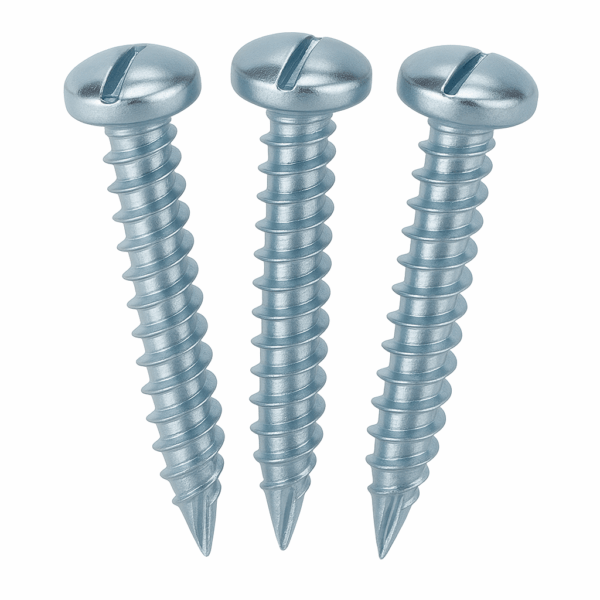
Thread Cutting Screw
These are employed to lessen the accumulation of internal tool tensions, making them perfect for tough materials. Thread cutting screws are very nice for reinforced plastics and solid wall parts.
Advantages thread cutting screws.
- It takes fewer tools to install; therefore, it can save you a lot of time.
- They offer a secure connection even when you only have access to one side of the item.
- The connection between the material and the fastener is tight.
There are a few different types including Type 1, Type F, Type 23, and Type 25. The different types reference the style of the cutting edge as shown below. The type used will be dependent on the specific application.