

 Arabic
shop

Stoneware Dinnerware
Stoneware is a step up in price and durability compared to earthenware. It’s made from clay, which is fired at 1200℃, achieving a partially vitrified product that results in a more durable, denser dish that’s stone-like in appearance and texture. Because it’s partially vitrified, stoneware has a better porosity level than earthenware and doesn’t require glazing to be appropriately moisture resistant. Because of its durability, stoneware is easy to maintain. It offers better scratch and chip resistance and may be microwave and dishwasher safe. It’s a fantastic option for families thanks to its durability and lower price point. And, similar to earthenware, it boasts a rustic charm.
The two most common beings of stoneware are creamware and Tinware. Creamware is named thanks to its white appearance, which is usually its natural color—the manufacturers will only add a clear glaze to this type of dish. Tinware is tin-glazed, but has an opaque, white appearance as well.
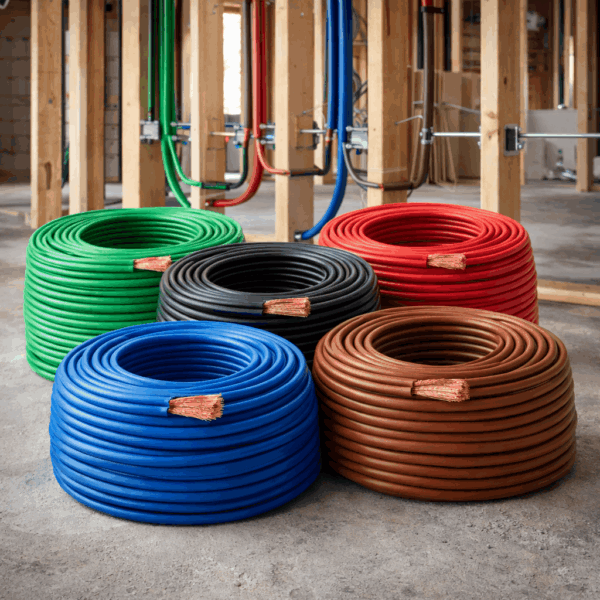
Stranded Copper Building Wire
Stranded Copper Building Wire is available in various sizes and grades to meet different current-carrying requirements and installation conditions. Common sizes include 0.5 mm², 0.75 mm², 1 mm², 1.5 mm², 2.5 mm², 4 mm², 6 mm², 10 mm², 16 mm², 25 mm², 35 mm², 50 mm², 70 mm², and larger cross-sectional areas. Smaller sizes such as 0.5–2.5 mm² are widely used for lighting circuits, control wiring, household appliances, and low-power electrical connections. Medium sizes such as 4–16 mm² are suitable for residential distribution boards, commercial buildings, motors, and power supply systems. Larger sizes including 25–95 mm² are used for industrial power distribution, electrical panels, machinery connections, and heavy-duty applications requiring higher current capacity. Depending on the insulation type, voltage rating, and standard requirements, these wires can be supplied in different weights per coil or drum, with common packaging weights including 100 m, 200 m, 500 m, and customized industrial lengths for export markets.
Stranded Copper Building Wire offers outstanding advantages including excellent electrical conductivity, high flexibility, easy installation in conduits, reliable long-term performance, corrosion resistance, and strong mechanical durability. It is widely used in building electrical systems, power distribution networks, industrial plants, renewable energy projects, control panels, automation systems, electrical equipment, and infrastructure projects. The product can be manufactured according to international standards such as IEC, BS, ASTM, and national electrical specifications, making it suitable for wholesale export supply to global markets. With consistent quality, accurate dimensions, optimized insulation performance, and competitive manufacturing capabilities, Stranded Copper Building Wire is an essential solution for safe and efficient electrical installations.
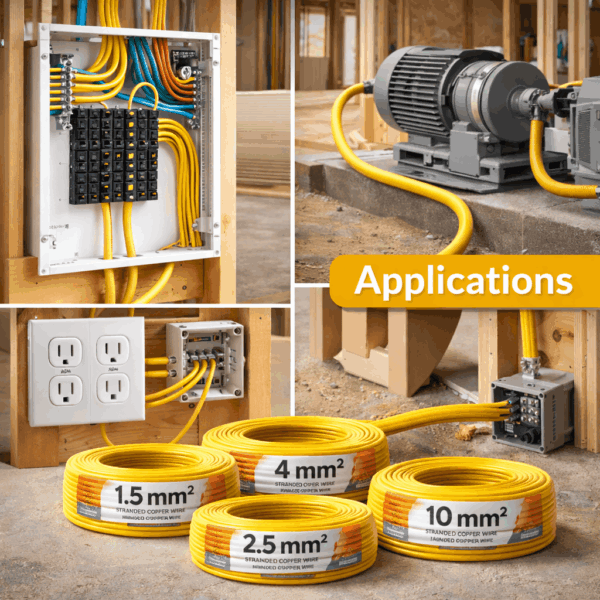
Stranded Copper Wire (Class 2)
Stranded Copper Wire Class 2 is available in different sizes, conductor diameters, and configurations depending on voltage requirements and application needs. Common sizes include 1.5 mm², 2.5 mm², 4 mm², 6 mm², 10 mm², 16 mm², 25 mm², 35 mm², 50 mm², 70 mm², 95 mm², 120 mm², 150 mm², 185 mm², 240 mm², and larger sections. According to conductor classification, Class 2 is a stranded rigid conductor designed for fixed installations, while finer stranding classes such as Class 5 and Class 6 are used for highly flexible applications. Class 2 copper conductors are available in bare copper, tinned copper, and insulated versions depending on environmental conditions and end-use requirements. Smaller cross-sections are mainly applied in building wiring, electrical panels, and industrial control systems, while larger sizes are used in power transmission, underground cables, renewable energy projects, and heavy industrial electrical networks.
The main advantages of Stranded Copper Wire Class 2 include excellent electrical conductivity, high thermal performance, corrosion resistance, dimensional accuracy, long service life, and compatibility with modern cable manufacturing processes. These conductors are suitable for producing low-voltage, medium-voltage, and specialized electrical cables used in construction, energy, telecommunications, transportation, automation, and industrial machinery. Export-quality Class 2 stranded copper wires are manufactured with strict quality control to ensure uniform strand formation, low electrical resistance, and reliable performance under continuous operation. Due to their durability and efficiency, they are preferred by cable manufacturers, electrical contractors, and industrial users worldwide.
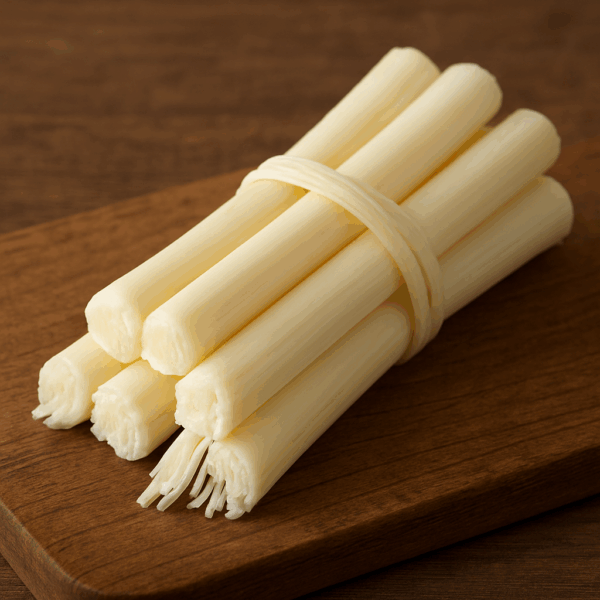
String Cheese
Traditionally, String Cheese is a type of mozzarella made into small logs that can be pulled apart as strings. It comes in a variety of flavors and is often a staple of a good school lunch.
String cheese is an excellent way to introduce kids to a world of exotic cheeses. It’s fun, but it also has other uses; when grated atop a pizza, it brings satisfying amounts of cheese pull.
- Made from cow’s milk
- Type: semi-hard
String cheese is a popular snack that is loved by both kids and adults alike. The somewhat peculiar name stems from the fact that this type of cheese has a stringy and stretchy texture, hence the name “string cheese.”
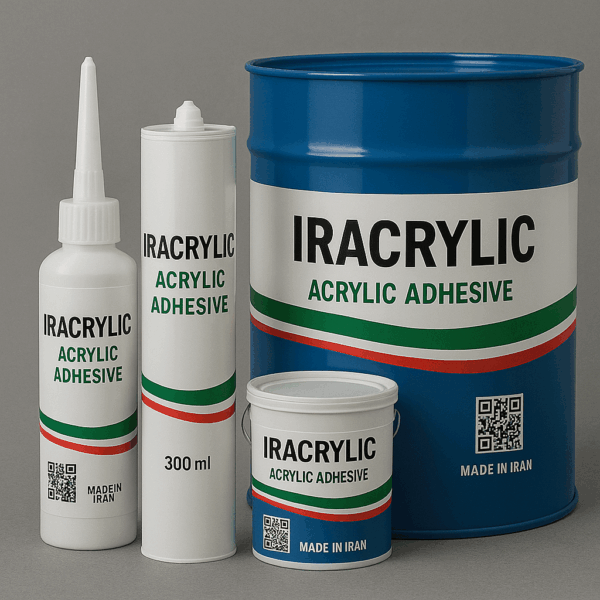
Structural Acrylic Adhesives
Their exceptional shear, peel, and tensile strength make them ideal for structural assemblies in automotive, transportation, electronics, appliances, construction, and general industrial manufacturing. Available grades include two-component structural acrylics, no-mix activator-cure systems, toughened acrylic adhesives, high-temperature grades, rapid-cure formulations, and low-odor or non-flammable variations. Specialty systems such as methyl methacrylate adhesives (MMA), elastic toughened acrylics, and high-gap-filling grades support applications requiring chemical resistance, vibration tolerance, and long-term fatigue durability.
Key advantages of structural acrylic adhesives include excellent adhesion to metals without extensive surface preparation, outstanding temperature resistance, superior shock and vibration absorption, and strong performance under dynamic loads. These adhesives provide rapid handling strength, enabling faster production cycles and reduced assembly time. Their ability to bond dissimilar materials—aluminum to composites, ABS to metal, FRP to steel—makes them a preferred solution for lightweighting strategies in modern industry. Structural acrylic adhesives deliver consistent performance in harsh environments, resist moisture and chemicals, and maintain integrity over years of service. They offer manufacturers an efficient, high-strength, export-ready bonding technology that enhances product durability and overall production efficiency.
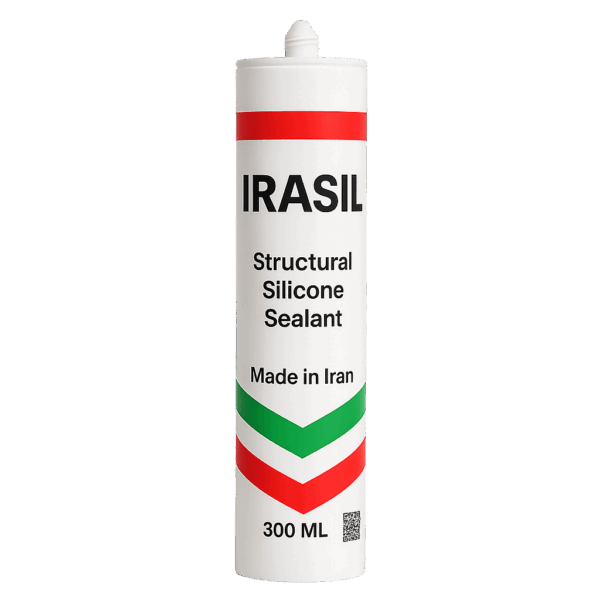
Structural Silicone Sealant
Their optimized adhesion chemistry ensures a secure, permanent bond to glass, aluminum, steel, composites, coated substrates, and structural panels. Available types include One-Component Structural Silicone, Two-Component Structural Glazing Silicone, High-Modulus Structural Sealant, Weatherproof Structural Grade, and UV-resistant façade sealants. Specialized formulations such as SG (Structural Glazing) Grade, IG (Insulated Glass) Grade, High-Movement expansion joint sealants, and Low-odor neutral cure systems support a wide range of architectural and industrial requirements.
Typical applications include curtain wall and unitized façade systems, structural glazing, insulated glass assembly, architectural panels, skylights, solar modules, cladding installation, and bonding of metal-glass interfaces. Industrial uses extend to transportation, appliances, engineering components, and vibration-resistant assemblies requiring structural integrity. Export-ready products are available in 300 ml cartridges, sausages, pails, and two-component bulk kits, manufactured with consistent quality and competitive prices. Structural silicones offer outstanding mechanical strength, excellent elongation, and superior resistance to UV radiation, ozone, humidity, and extreme temperature variations. Key advantages include permanent elasticity, high tear and tensile strength, non-corrosive curing, excellent adhesion without primer in many cases, and long-term weatherproofing performance. They maintain stable bonding under dynamic wind loads, thermal expansion, vibration, and seismic movement.
Structural Steel (Steel Profiles)
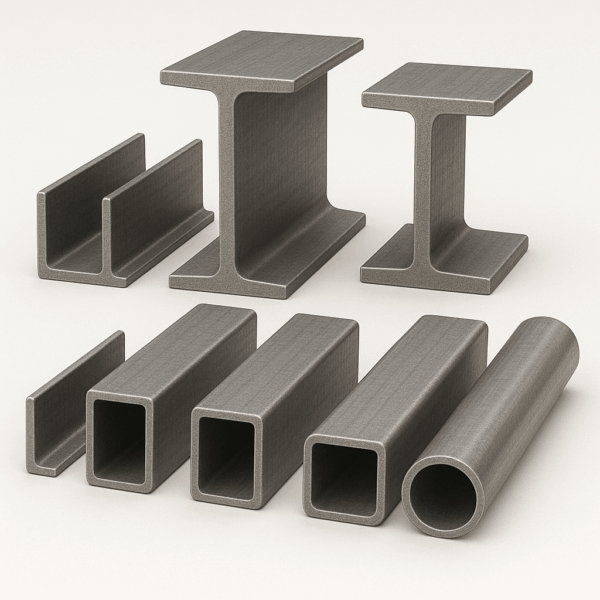
Broadly, structural steel is categorized into five types of structural steel shapes: angles, beams, channels, tubing or hollow structural steels, and plates. Structural steel angles are hot rolled, and the most basic form of structural steel Angles and L shapes can be produced with both equal and unequal leg lengths. Applications of angles and L-shapes include minor structural reinforcement, framing, shelving, brackets, and repair. Hollow structural section (HSS) refers to high strength welded steel tubing or hollow steel sections. They have round, square, elliptical, or rectangular cross-sections. Hollow structural steel shapes are usually preferred to support multidirectional loads.
Structural Steel Beams are the major elements for supporting heavy loads and are designed to carry a maximum bending load with minimum material. Structural Steel beams can be of various types such as I-beams, S-beams, T-beams, Bearing Piles and H-piles. Structural Steel Plates are simple flat plates with the required thickness to meet various construction needs. Structural steel plate members are usually welded to build the framework for buildings and bridges.

Structural Steel Beam
The production process of Structural Steel Beam includes the selection of high-quality raw steel billets, controlled heating, hot rolling, shaping, cutting, straightening, surface inspection, and quality testing. Advanced production lines ensure precise dimensions, uniform mechanical properties, and superior structural performance. Depending on project requirements, beams can be supplied in different types such as I Beams, H Beams, Wide Flange Beams, European Standard Beams (IPE), American Standard Beams (W Shapes), and Heavy Structural Beams. These products are commonly applied in building structures, bridges, warehouses, factories, power plants, industrial facilities, steel frameworks, platforms, and infrastructure development projects.
Structural Steel Beams are commercially available in different lengths, thicknesses, widths, and steel grades according to international specifications such as ASTM, EN, DIN, and JIS standards. Their major advantages include high strength-to-weight ratio, long service life, excellent weldability, easy fabrication, dimensional stability, and cost efficiency compared with alternative construction materials. For export shipments, beams are carefully packed using steel straps, protective materials, and customized bundles to ensure safe transportation and handling. With reliable supply capacity, competitive pricing, and strict quality control, our Structural Steel Beams are an ideal choice for international wholesalers, distributors, and construction companies seeking dependable steel solutions.
Stud Bolt
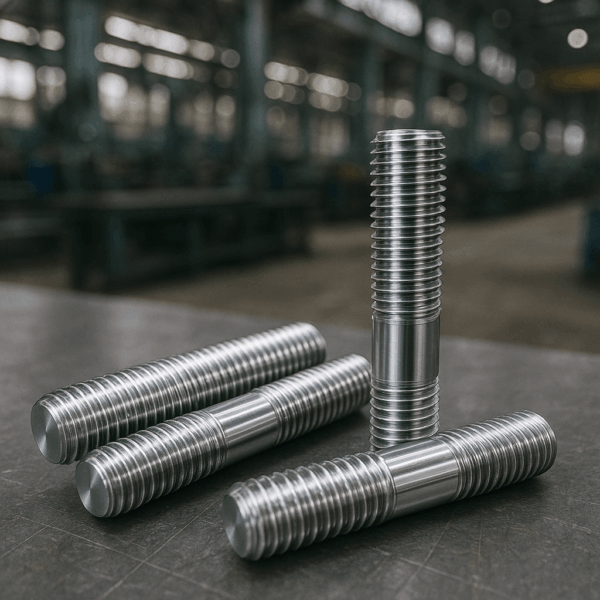
A stud bolt is headless fastener with threads on both ends, used to connect two parts by screwing into one part and then securing the other with a nut. They are commonly used in flange connections, high-pressure environments, and anywhere a strong, reliable connection is needed, especially where space is limited or regular maintenance is required. Unlike traditional bolts, stud bolts lack a head, relying on nuts on both ends for tightening. Stud bolts have threads on both ends, allowing them to be screwed into a threaded hole on one part and secured with a nut on the other. Stud bolts are used in various applications, from securing flanges to joining heavy machinery. They are designed for high-stress environments and offer a strong and stable connection. Stud bolts are frequently used to connect flanges in pipelines, valves, and other equipment, particularly in industries like oil and gas, petrochemical, and water transmission.
Sublimed Sulfur
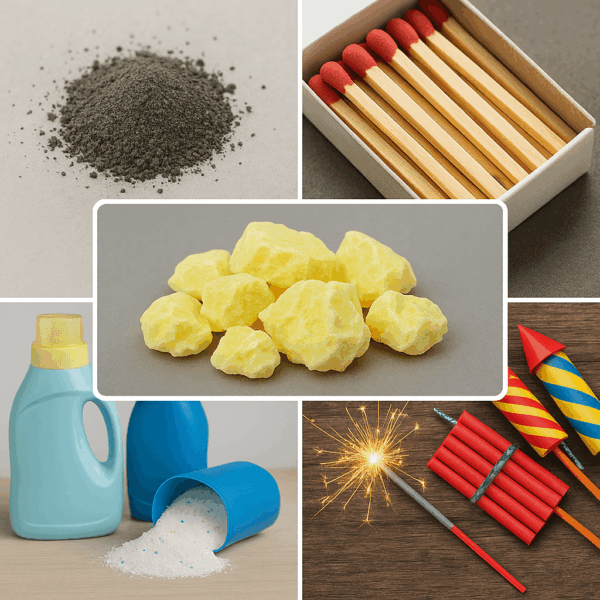
The production process of Sublimed Sulfur includes purification, melting, filtration, vaporization, and controlled condensation of sulfur vapors to obtain a highly refined and finely divided sulfur powder. This process removes unwanted impurities and creates a product with improved purity, brightness, flowability, and reactivity compared with conventional sulfur powders. Sublimed Sulfur is commonly applied in rubber manufacturing as a vulcanizing agent, in agriculture as a soil amendment and fungicide ingredient, in chemical industries for sulfur-based compounds production, and in pharmaceutical and industrial formulations where high-quality sulfur powder is required. Commercial types include standard Sublimed Sulfur, fine-grade Sublimed Sulfur, and customized grades with specific particle size and purity levels for different applications.
Our exported Sublimed Sulfur is available with complete technical specifications, flexible packaging options, and reliable worldwide shipment capabilities. The product advantages include high sulfur concentration, excellent chemical stability, easy handling, low contamination risk, uniform particle distribution, and suitability for demanding industrial applications. It can be supplied in kraft paper bags, multi-layer bags, jumbo bags, or customized export packaging according to customer requirements. With strict quality control, competitive pricing, and professional export services, our Sublimed Sulfur is an ideal choice for international buyers seeking a dependable sulfur supplier for long-term cooperation.
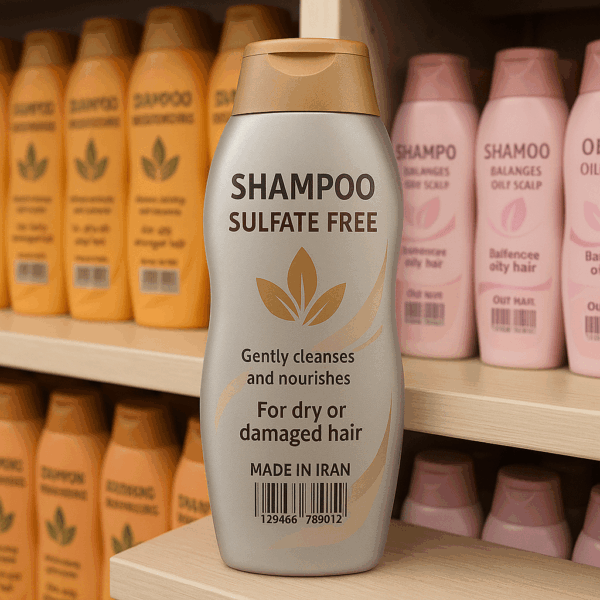
Sulfate Free Shampoo
The most common sulphates used in personal care cleansers and cleaning products are sodium lauryl sulfate (SLS) and sodium laureth sulfate (SLES). sulphate-free shampoo is a gentle cleansing shampoo made without sulphates. Sulphate-free shampoos still effectively clean hair that has a mild to moderate accumulation of oils, dirt, or styling products – handy for people who like to wash more frequently. Sulphate-free shampoos deliver deep care with a rich lather. People with naturally curly hair may find that they help with curl definition, reduce frizz, and smooth their hair.
Sulfate-free shampoo benefits
- Gentle cleansing for your scalp and the skin around your hairline
- Hair feels conditioned immediately after washing
- Leaves hair soft and smooth
- Kind to curly hair, which tends to need more conditioning
Sulfur (Sulphur)
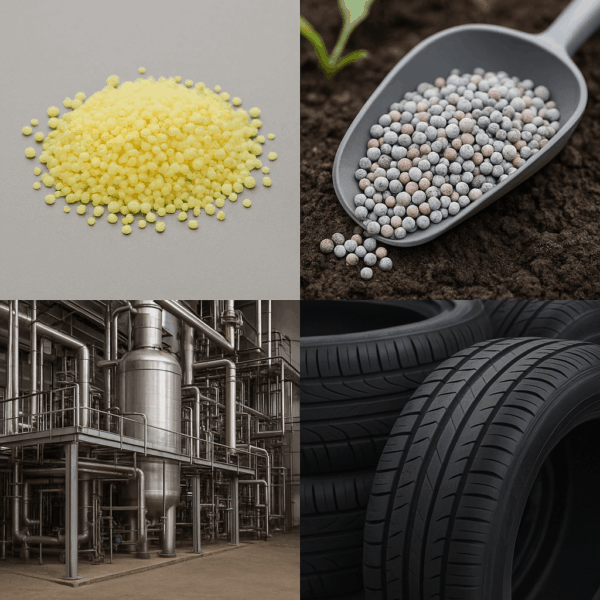
Sulfur is one of the most important agricultural and industrial raw materials and is considered a strategic product and elemental sulphur is obtained as a co-product recovered from oil and gas production in sweetening process. The greatest commercial use of the element is the production of sulfuric acid for sulfate and phosphate fertilizers, and other chemical processes. Sulphur is the primary source in the production of sulphuric acid, the world’s most widely used chemical. Sulfur reacts directly with methane to give carbon disulfide, used to manufacture cellophane and rayon. One of the direct uses of sulfur is in vulcanization of rubber, where polysulfide chains crosslink organic polymers.
Large quantities of sulfites are used to bleach paper and to preserve dried fruit. Many surfactants and detergents (e.g. sodium lauryl sulfate) are sulfate derivatives. Different types of Sulphur can be supplied such as Powder Sulfur , Flake Sulfur , Granules Sulphur and lump Sulfur in required purities .