

 Arabic
shop
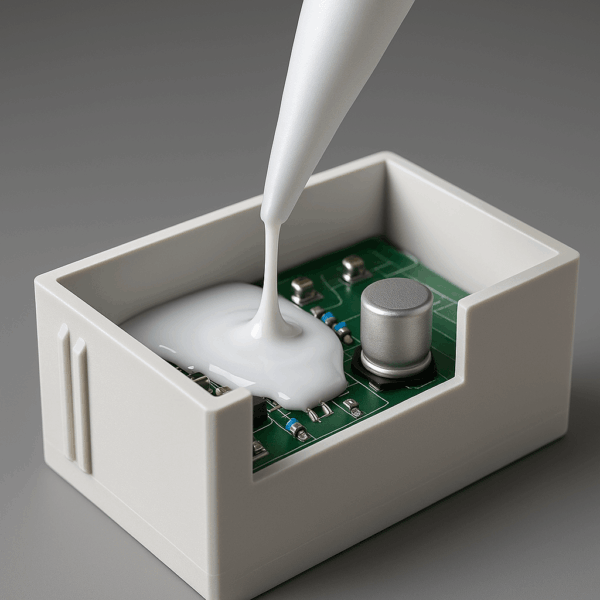
Silicone Sealants for Electronics
This advanced formulation provides excellent electrical insulation, low volatility, and non-corrosive neutral cure chemistry that is compatible with copper, PCB boards, sensors, connectors, and various electronic housings. Electronic-grade silicone maintains dimensional stability and elasticity without cracking, shrinking, or hardening over time. It resists thermal cycling, ozone, humidity, and chemical exposure, ensuring strong protection for components in harsh environments. Available types include potting & encapsulation silicone, thermal-conductive silicone sealant, low-modulus neutral RTV, fast-cure electronic silicone, and high-temperature resistant grades for power electronics. Its smooth flow and self-leveling versions enable uniform coverage in LED modules, transformers, and control units, while non-slump grades are ideal for gasketing and enclosure sealing. Clear, translucent, and gray formulations support different engineering needs.
Typical applications include sealing PCB edges, protecting sensors, bonding electronic housings, insulating connectors, filling junction boxes, encapsulating LED drivers, and providing vibration damping in automotive modules. Key advantages include excellent dielectric strength, superior moisture resistance, long-term stability, and compatibility with automated dispensing systems. Export-ready electronic silicones are supplied in cartridges, syringes, tubes, and bulk pails for OEM manufacturing.
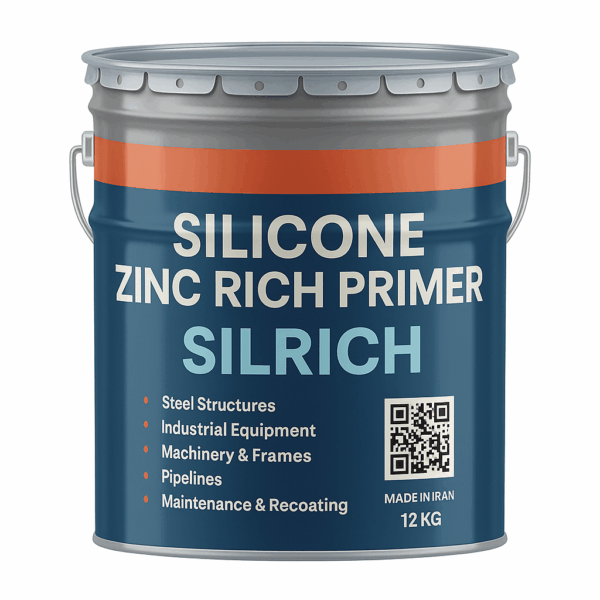
Silicone Zinc Rich Primer
Silicone Zinc Rich Primers are available mainly as single-pack or two-component systems, depending on formulation, and are widely used on steel structures, exhaust stacks, chimneys, furnaces, heat exchangers, power plant equipment, petrochemical units, and high-temperature pipelines. Key advantages include excellent resistance to high temperatures, outstanding corrosion protection through galvanic action, strong adhesion to properly prepared steel, and good resistance to thermal cycling. Typical properties include very high zinc content, heat resistance often exceeding 400–600°C, good moisture resistance, and compatibility with silicone-based or heat-resistant topcoats.
Silicone Zinc Rich Primers are applied by airless spray, conventional spray, brush, or roller, allowing flexibility in both workshop and site conditions. They are supplied in standard industrial packaging such as 5 kg, 10 kg, 12 kg, and 20 kg metal pails, as well as 200 kg drums for large industrial projects. These primers are widely specified in energy, oil & gas, power generation, and export-oriented applications where long service life, thermal stability, and compliance with international standards are required

Skyr Yogurt
With options such as Greek yogurt, drinkable yogurt, and plant-based alternatives, businesses can choose the type of yogurt that best suits their menu offerings and customer preferences.
Skyr is a traditional Icelandic yogurt that has gained popularity in recent years due to its unique taste and nutritional benefits. Made from skim milk with live cultures, skyr is a thick yogurt that is high in protein and low in fat. It is strained to remove excess whey, resulting in a rich and velvety texture. The straining process also contributes to skyr’s high protein content, with some varieties containing up to 15 grams of protein per serving.
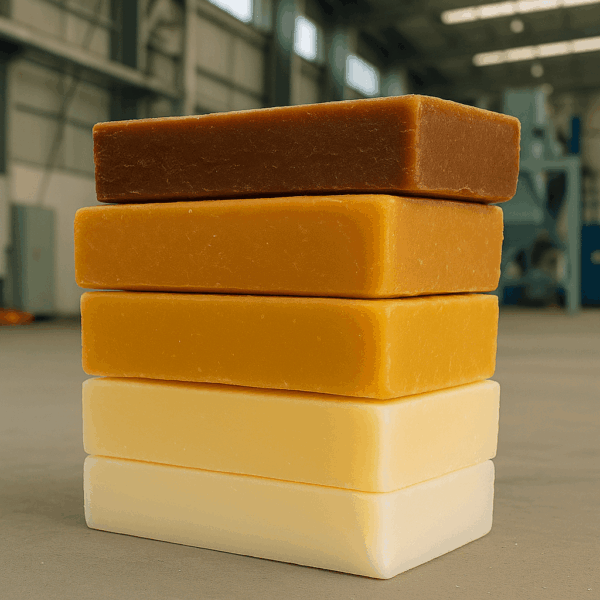
Slack Wax
Slack Wax is widely used as an important raw material in wax manufacturing, candle production, match industries, rubber processing, board manufacturing, polishes, adhesives, coatings, and chemical industries. Depending on oil content, melting point, color, and refining level, commercially available types include light Slack Wax, heavy Slack Wax, semi-refined Slack Wax, and fully refined Slack Wax. Light grades are commonly applied in candles, polishes, and surface coatings, while heavier grades are preferred for industrial formulations, rubber compounds, waterproofing materials, and lubricant-related applications. The product can be supplied according to customer requirements with different specifications for industrial processing needs.
The main specifications of Slack Wax include melting point, oil content, viscosity, color, penetration, and moisture level, which determine its suitability for different applications. The major advantages of Slack Wax are excellent lubricity, high wax content, good thermal stability, easy blending characteristics, cost efficiency, and compatibility with various industrial materials.
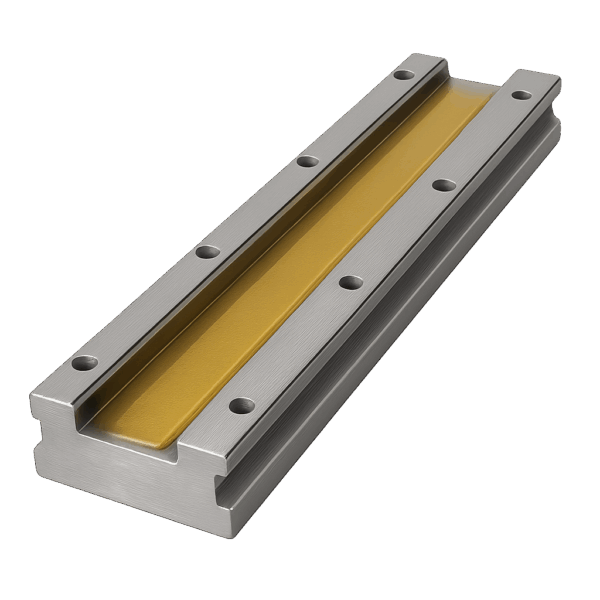
Slideway Industrial Oil
Dimensional accuracy and surface quality of the workpieces to be machined so Slideway Oil must be carefully formulated somehow hat can provide controlled frictional properties for high precision machining, compatibility with aqueous metal working fluids and corrosion protection of parts and equipment.
stick-slip is a big problem in machining , The cause of stick-slip is frictional vibration resulting from the constantly changing friction between the machine-tool toolholder – the tool and the work-piece – or slide and its slideway. The same applies to linear guide systems. Special slideway oils and their additives assist the formation of lubricant films on the surfaces and reduce the stick-slip problem at its minimum possible amount . Slideway Oils have been developed with adhesiveness which prevents lubricants from being washed away from slideways. They are designed for use with combinations of cast iron, steel and non-metallic way material and can be used for lubrication of ball screws, linear guides, headstocks, translating screws.
Slip Masterbatch
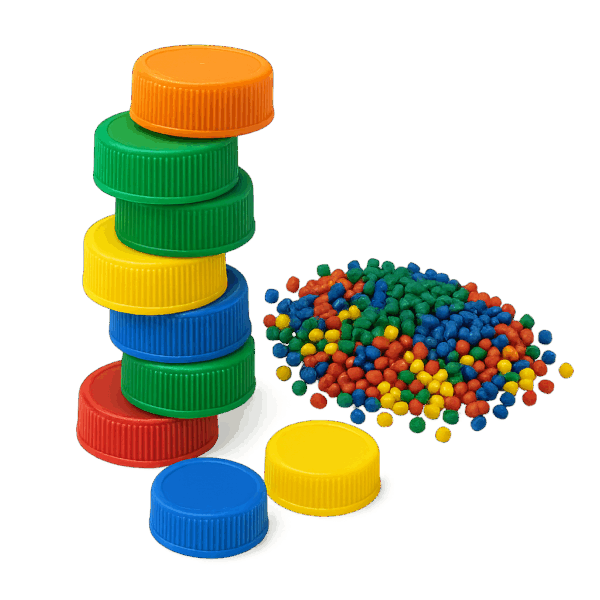
It is commonly used in plastic processing, such as injection moulding, extrusion, and film production. The reduced friction helps in smoother processing, preventing melt fracture, and improving the flow of molten plastic. This can lead to better-quality products with fewer defects.
Slip masterbatch can prevent plastic products from sticking together during manufacturing and storage. This is particularly useful in applications like packaging, where products need to easily separate from one another. The use of slip masterbatches reducing surface imperfections and enhancing the appearance of the final product. Slip masterbatches are used in various industries, such as food packaging and medical devices, to ensure that products can be easily handled or separated without any friction-related issues.
The use of slip masterbatches for polyethylene films reduces the Friction Coefficient (COF) while maintaining optic properties such as brilliance, transparency, and clarity. They may also be used jointly with “Anti-block” agents and meanwhile improving aesthetics of the plastic films. Other advantages of the slip masterbatches are Enhancing Printability , Superior Lamination and Metallizing , Improving Sealability and Weldability

Small Basin Tap
This mounting style provides a stable and secure installation, as the tap is anchored directly to the sink. Basin-mounted taps are available in a range of styles and configurations, allowing for a customized look that complements the sink and overall bathroom design. This integration can create a cohesive and polished appearance, seamlessly blending with the sink’s design. Basin-mounted taps also simplify the installation process compared to some other types of mounts, as they are typically designed to fit standard sink configurations.

Sneaker Shoes
Sneakers have flexible soles made of rubber or synthetic material and an upper part made of leather, synthetic substitutes, or cloth. Casual sneakers are created to provide comfort, support, and durability. However, in the modern era, they have also become a significant part of fashion and everyday casual wear. Sneakers are ideal for a variety of activities, including running, walking, basketball, tennis, and gym workouts. They are a popular choice for everyday activities, offering comfort and style for casual outings, social events, and running errands. Available Sneakers are typically made from materials like canvas, mesh, leather, and synthetic fabrics, chosen for their durability, breathability, and flexibility.
Soap Chips
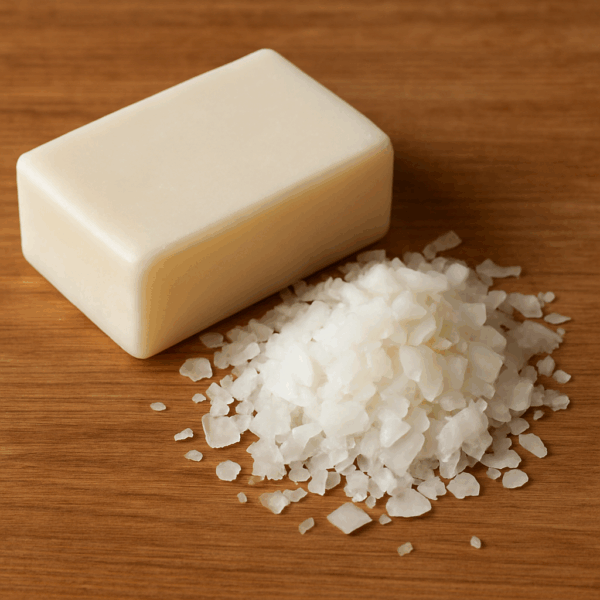
Available types of Soap Chips
Transparent Soap Chips , These are clear, colorful, and sparkly soaps. They have a gentle scent. The soap is simple to mold into different shapes. It is available in various colors and scents. Plus, it is easy to personalize with extra items like essential oils or herbs. These chips are great for making custom soaps in unique shapes and sizes.
Glycerin Soap Chips , Glycerin is a natural moisturizing agent. It keeps the skin moist and supple. These soap chips are clear and often contain colorful pieces like glitter or flower petals. They are gentle on the skin and do not cause any harsh reactions. They are ideal for new soap makers and those who want to create simple, clear, and pretty custom soaps.
Shea Butter Soap Chips ,These soap chips contain shea butter, a natural moisturizer. The butter keeps the skin supple and fights dryness. The soap is available in various scents, such as honey and vanilla. It is gentle on the skin and provides a deep cleanse.
Sodium Carbonate
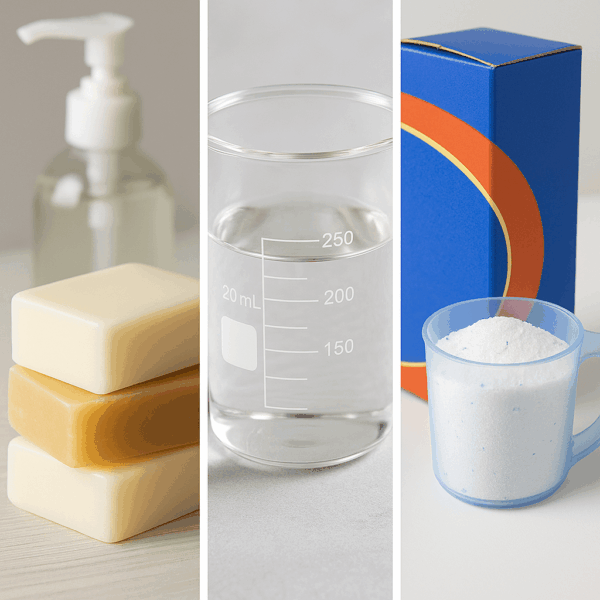
Sodium carbonate is the inorganic compound with the formula Na2CO3 and its various hydrates, all forms are white, odourless, water-soluble salts that yield alkaline solutions in water. There are two types of Sodium Carbonate, light (size : 0.7 g/cc )and dense (size : 0.9 g/cc ). In the chemical process, soda ash light forms first, and contains 5% sodium chloride less than the dense type. The density of light sodium carbonate is about 500 Kilogram per cubic meter, and the granule size is nearly 100 micrometers. It is also suitable for the production of household chemicals and detergents , toothpaste and industrial use. After getting soda ash light in production process, the dehydration continues to obtain a product with higher density. Additionally, by proceeding dehydration, the sodium carbonate crystals’ size grows larger.
Larger granules mean less dust and impurities and untroubled transportation. The application of heavy sodium carbonate is in the glass manufacturing industry, where it accelerates the melting of silica (sand). Other uses are in Metallurgy , fire extinguishers , alkaline reduction ,acidity reduction of power plants emissions, desulphurization of flue gas , removal of hydrochloric acid and sulfur dioxide from stack gasses. The density of heavy sodium carbonate is about 1000 Kilogram per cubic meter, and the granule size is nearly 300 to 500 micrometers.
Sodium Formate
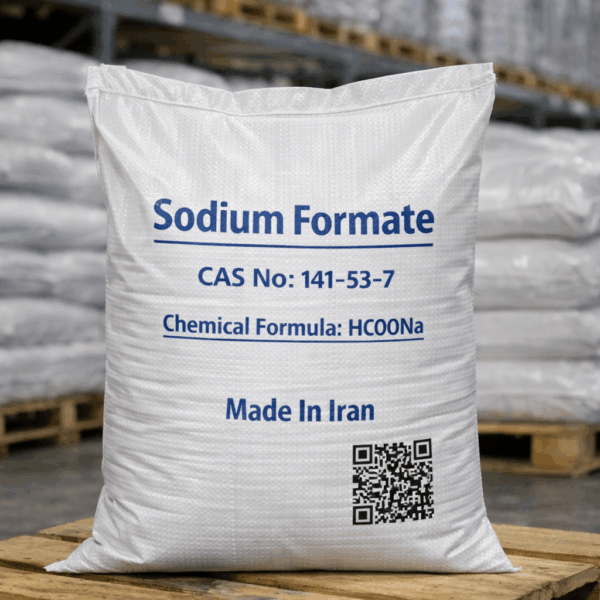
The industrial production of Sodium Formate is mainly carried out through the reaction of carbon monoxide (CO) with sodium hydroxide (NaOH) under controlled pressure and temperature conditions, followed by concentration, crystallization, drying, and purification processes to obtain high-quality crystalline Sodium Formate. Another production method involves the neutralization reaction between formic acid and sodium hydroxide, which provides a controlled route for producing pharmaceutical, industrial, and technical grades. During manufacturing, advanced quality control procedures are applied to ensure high purity, accurate chemical composition, low moisture content, and compliance with international industrial standards. Available commercial types include Industrial Grade Sodium Formate for oil drilling fluids, leather tanning, and chemical production; High Purity Grade Sodium Formate for laboratory and specialty chemical applications; and Technical Grade Sodium Formate used in construction, de-icing, and industrial processes.
Sodium Formate offers several advantages including high water solubility, low toxicity compared with many alternative chemicals, excellent buffering ability, and efficient performance in demanding industrial environments. It is widely applied in oil and gas drilling operations as a component of high-density drilling fluids and completion fluids, where it helps improve stability and pressure control. In the leather industry, Sodium Formate is used as a tanning auxiliary to improve penetration and uniformity of tanning agents. It is also utilized in textile processing, dyeing industries, chemical synthesis, aviation runway de-icing formulations, concrete additives, and laboratory applications. Due to its stable supply, technical flexibility, and broad industrial usage, Sodium Formate is an important export chemical product available in bulk quantities with different specifications to meet global customer requirements.

Sodium Grease
Sodium Grease offers several important technical characteristics that make it suitable for demanding industrial environments where conventional greases may not provide sufficient temperature performance or mechanical stability. Its relatively high dropping point allows the grease to remain effective at elevated operating temperatures, while its adhesive properties help maintain a lubricating film on metal surfaces and reduce direct metal-to-metal contact. Properly formulated Sodium Grease can provide effective resistance to friction, wear and oxidation while helping protect lubricated components from premature deterioration. It is commonly applied to plain bearings, rolling bearings operating within suitable temperature limits, electric motor components, industrial machinery, conveyors, machine tools, agricultural equipment, automotive chassis points and various mechanical assemblies. Sodium Grease can also be used in selected industrial applications involving moderate loads and elevated temperatures where water exposure is limited, because sodium soap-based greases generally have lower water resistance than calcium sulfonate or lithium-complex greases. For this reason, product selection should always consider operating temperature, load, speed, water exposure, relubrication interval and compatibility with the existing grease. Different Sodium Grease grades can be supplied according to the required consistency and performance characteristics, with NLGI grades such as NLGI 1, NLGI 2 and NLGI 3 commonly encountered in industrial lubrication markets.
Standard commercial packaging can include small cartridges, plastic or metal cans, pails, buckets and larger drums, while bulk supply may be arranged for high-volume industrial users subject to the manufacturer’s production and filling capabilities.