

 Arabic
shop
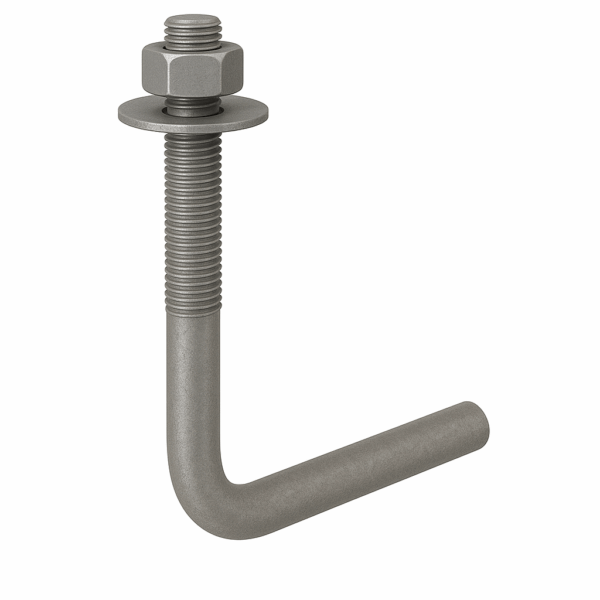
Rag Foundation Bolt
A rag foundation bolt, also known as an indented foundation bolt, is used to secure structures to concrete foundations. It’s characterized by a tapered body with grooves on all sides, and often has a square or rectangular cross-section. These bolts are designed to be embedded in concrete, providing a strong and reliable connection for various applications.
Rag bolts are commonly used in the construction industry to anchor steel columns, beams, and heavy machinery to concrete foundations. They provide stability for guardrails, signposts, and light poles on bridges and highways. Rag bolts are essential for anchoring heavy machinery that generates significant vibrations, such as those found in power plants and manufacturing facilities. They can also be used in foundation repair and reinforcement projects. In some automotive applications, rag bolts can be used where access to nuts or locking mechanisms is limited, especially for heavy-duty components.
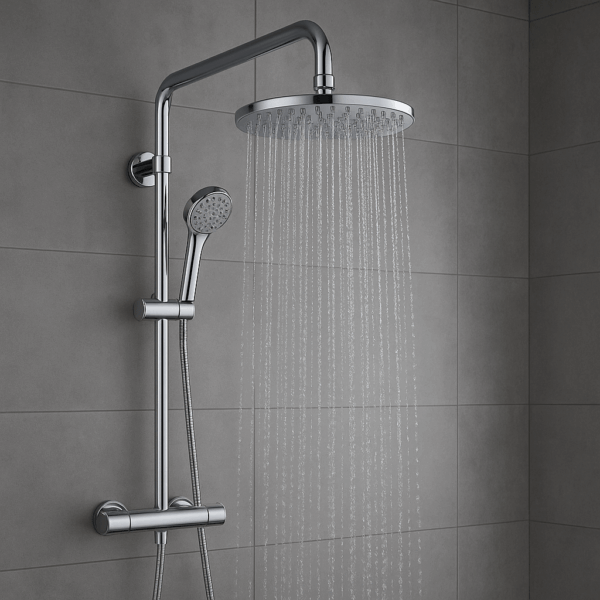
Rainfall Shower
A rainfall s
designed to simulate natural rainfall. These showers are very gentle and even in water distribution . meanwhile you have a Luxurious feel, aesthetically pleasing and a soothing experience. Rainfall shower heads have a large surface area that not only mimic the feel of tropical rainfall but also provide Wide spray coverage for full body soak and it is Great for sore muscles and after a tiring day.
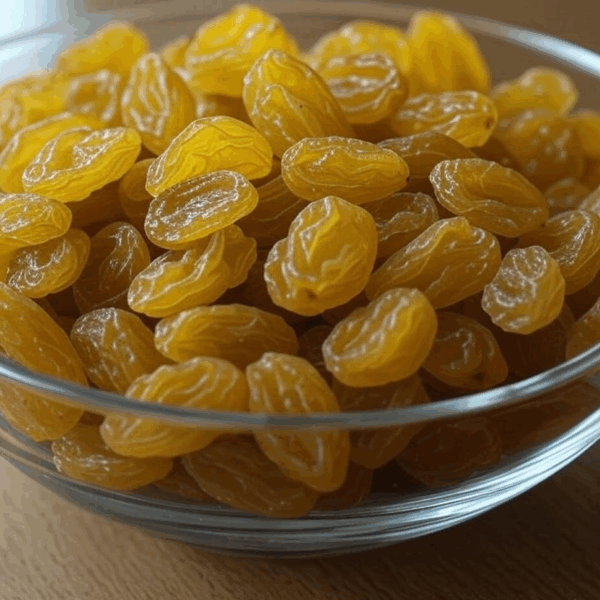
Raisin
“Golden raisins” are generally dried in dehydrators with controlled temperature and humidity, which allows them to retain a lighter color and more moisture. They are often treated with sulfur dioxide after drying.
Iran is the third largest exporter of raisin in the world by exporting about 7% global Consumption. There are different varieties of Iranian Raisins; Sultana Raisins, Golden Raisins, Black Raisins and Green Raisins. The advantage of Iranian Raisins is principally its price and different methods of processing, and that’s the reason why Iranian Raisins are amongst the finest raisins in the world. Also , we can divide the variety of raisins into Seeded Raisins Unseeded Raisins, Green raisins, rice raisins and currants. Green raisins and rice raisins are obtained from seedless grapes and Currant is provided from variety of seeded grapes.
In Iranian Raisin colors vary by their drying process. For example, a dark purplish/black raisin or Black Raisin is sun-dried. A light to medium brown raisins or Sultana Raisin is dried under the shade. A golden to bright yellow raisins is dried under shade and is also treated with sulfur dioxide to retain color and is called Golden Raisin or Golden Bleached Raisins.
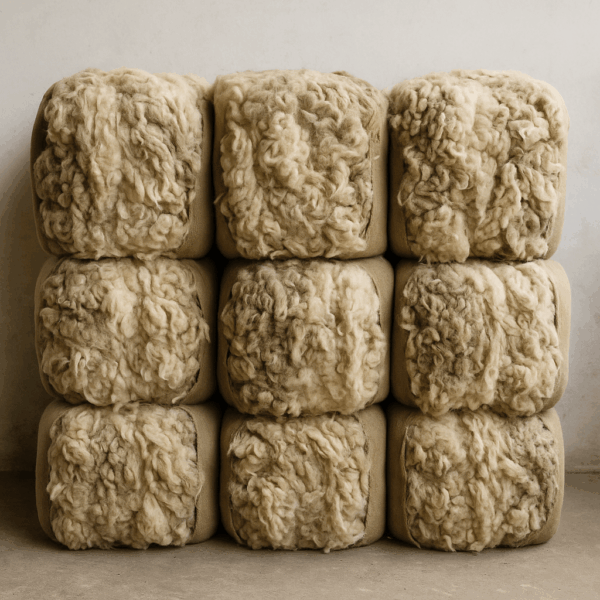
Raw Sheep Wool
There are several types of raw wool, including Merino, Corriedale, Romney, Lincoln, and Karakul, each offering distinct texture, fineness, and resilience suited for different applications. Fine Merino wool is used for soft, high-end garments, while medium and coarse types serve in carpets, upholstery, felt production, and thermal insulation. Raw wool is typically processed through cleaning, scouring, carding, and grading, ensuring uniform quality before spinning or industrial use. It’s also used in handicrafts, mattress filling, and eco-friendly building insulation materials due to its excellent thermal and acoustic properties. Wool’s natural lanolin content makes it moisture-resistant and durable under varying conditions.
Advantages of raw sheep wool include biodegradability, renewability, flame resistance, and natural breathability, providing both comfort and environmental benefits. It is supplied in grease wool bales (unwashed), scoured wool packs, or compressed sacks weighing 50 kg to 200 kg, depending on buyer specifications. With strict grading and quality assurance, our raw sheep wool meets the diverse needs of textile manufacturers, craft producers, and industrial users worldwide.
Red Brass
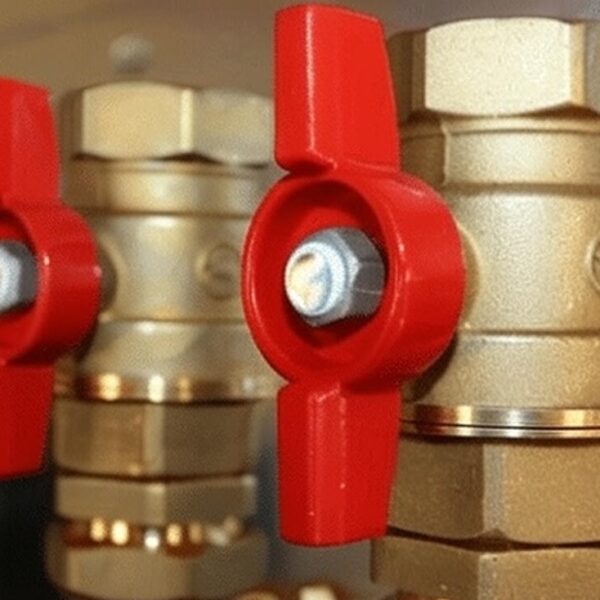
The proportions of zinc and copper within brass can be varied, creating a range of brass with varying properties. For instance, small additions can be made of other metals, including lead, tin, aluminum, and arsenic, to improve properties such as machinability, strength, and corrosion resistance. these alloys are known for being easily formed and retaining high strength after forming.
Red brass (CuZn15) has 15% of zinc and 85% of copper, which gives it a red color. Sometimes, it even contains a small amount of materials like iron, lead, and tin. It has excellent machinability.
Red Ochre Powder
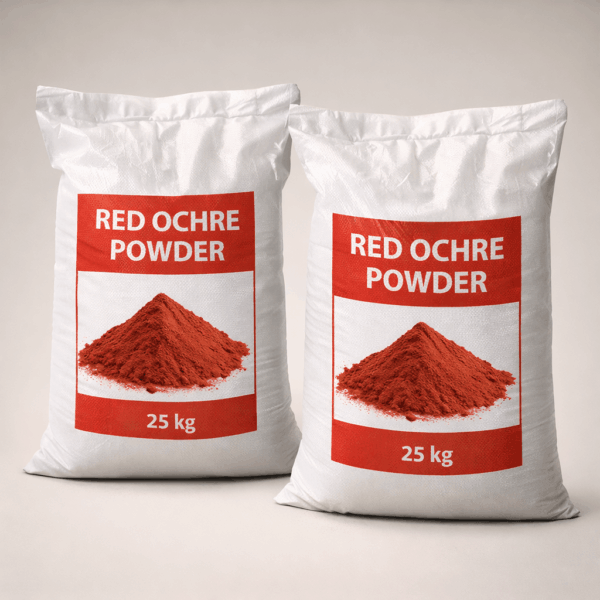
Commercial red ochre is available in several grades and varieties, including Natural Red Ochre, Burnt Red Ochre, Deep Red Ochre, and Brownish-Red Ochre, each distinguished by iron oxide content, shade depth, and processing method. Calcined or “burnt” grades provide darker, warmer tones, while natural grades deliver softer, traditional red and terracotta hues. Red ochre powder is widely used in industrial and decorative paints, cement and concrete coloring, plasters, tiles, bricks, ceramics, putties, asphalt, rubber, plastics, and artistic coatings. Its natural origin and chemical stability make it especially suitable for outdoor architectural finishes and construction materials exposed to sunlight and weathering.
Key properties of red ochre include excellent lightfastness, high heat resistance, alkali stability, low oil absorption, and strong color durability. Commercial particle sizes typically range from fine grades below 10 µm for paints and coatings, standard grades of 10–45 µm for construction and plastics, and coarser grades above 45 µm for decorative plasters and textured surfaces. Supplied in bags or bulk packaging, red ochre powder is a cost-effective, environmentally friendly pigment solution for manufacturers seeking natural color, proven performance, and timeless earth-tone aesthetics.
Reduced Iron Powder
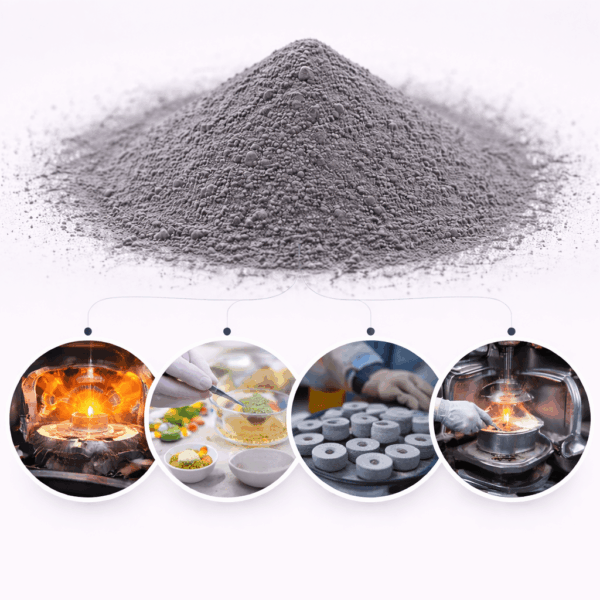
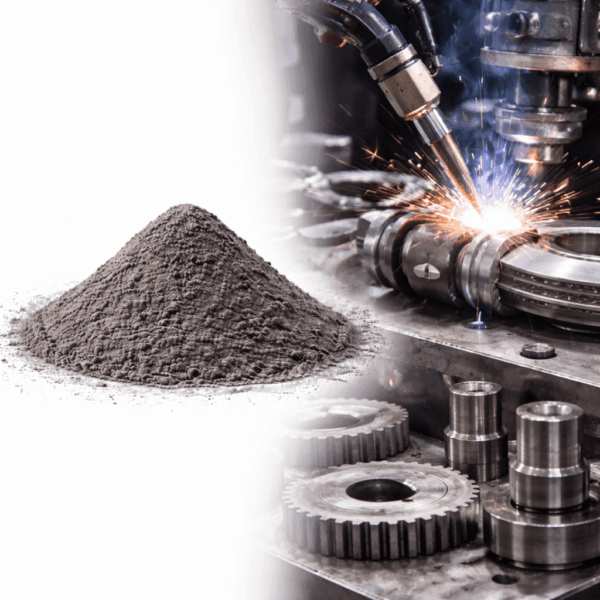
The production process of Reduced Iron Powder generally starts with high-quality iron oxide or mill scale, which is subjected to a hydrogen or carbon monoxide reduction process at controlled temperatures. During this process, oxygen is removed from iron oxide, producing porous metallic iron particles with high surface activity. After reduction, the material is cooled, crushed, milled, classified, and sieved to achieve the required particle size distribution. Advanced production technologies allow manufacturers to produce different commercial grades such as fine reduced iron powder for chemical applications, coarse iron powder for powder metallurgy, sponge iron powder for welding and filtration applications, and high-purity iron powder for specialized industries. The controlled manufacturing process ensures low impurity levels, excellent flowability, consistent particle morphology, and reliable performance.
Reduced Iron Powder is commercially available in various grades including Fine Reduced Iron Powder, Coarse Reduced Iron Powder, Hydrogen Reduced Iron Powder, Sponge Iron Powder, High Purity Iron Powder, and Food Grade Reduced Iron Powder. Fine grades are mainly used in chemical reactions, nutrition fortification, pharmaceutical formulations, and powder injection molding, while coarse grades are preferred for automotive parts, structural components, and sintered metal products. High-purity grades are used in electronics, magnetic materials, and laboratory applications. Due to its high iron content, excellent recyclability, dimensional stability, and cost efficiency, Reduced Iron Powder is considered an essential raw material for global industries requiring reliable iron-based powders.
Reduced Iron Sponge Powder
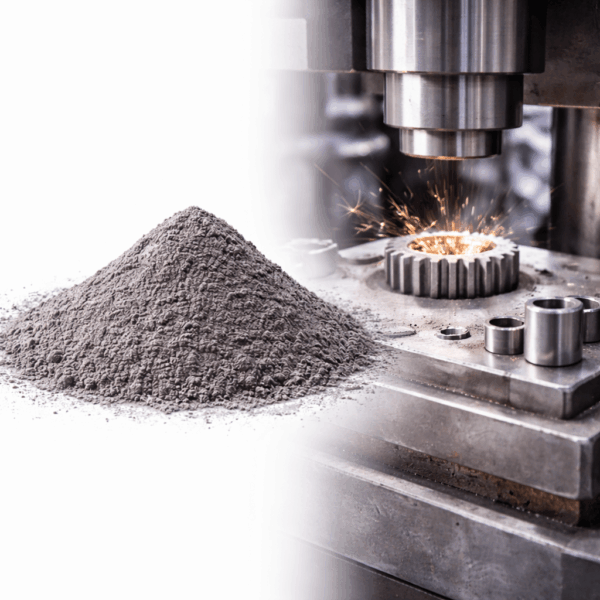
Reduced Iron Sponge Powder is commercially available in different grades and particle sizes to meet various industrial requirements. Fine grades with particle sizes such as -100 mesh, -200 mesh, and -325 mesh are commonly used in powder metallurgy, metal injection molding, friction materials, magnetic components, and chemical catalysts where high surface area and good flowability are required. Medium particle sizes such as 50–100 mesh and 100–200 mesh are suitable for welding electrodes, brazing materials, thermal spraying, and industrial additives. Coarser grades are used in steelmaking, heavy industrial applications, and specialized reduction processes. The product is normally supplied in moisture-resistant bags, jumbo bags, or bulk packaging with standard weights of 25 kg, 50 kg, 500 kg, and 1000 kg depending on customer requirements and export specifications.
Reduced Iron Sponge Powder offers significant advantages including high metallic iron content, low impurity levels, excellent compressibility, good magnetic properties, high chemical activity, and suitability for customized industrial formulations. It provides manufacturers with a cost-effective alternative to traditional iron raw materials while improving production efficiency and product consistency. Export-quality Reduced Iron Sponge Powder is available according to international standards with controlled specifications including iron content, oxygen level, carbon content, particle size distribution, and apparent density. This product is widely exported for use in automotive components, industrial machinery parts, welding products, chemical manufacturing, filtration systems, and other advanced manufacturing industries.
Reduced Manganese Iron Powder
Different grades of Reduced Manganese Iron Powder are developed for specific industrial applications. Fine particle grades such as 100–200 mesh are widely used in powder metallurgy, chemical applications, welding consumables, and manufacturing of specialized alloy components where high surface area and uniform mixing are required. Medium particle sizes such as 50–100 mesh are suitable for steelmaking additives, alloy production, magnetic materials, and industrial manufacturing processes requiring controlled reaction rates. Coarser grades are commonly used in heavy industrial applications, foundries, ferroalloy production, and metallurgical processes. Due to its combination of iron and manganese content, this product improves mechanical properties, wear resistance, hardness, and metallurgical performance in various applications.
Reduced Manganese Iron Powder offers several advantages including high metallic content, excellent blending capability, controlled particle size, good oxidation resistance, reliable performance in alloy production, and cost efficiency compared with some alternative metallic powders. It is widely used in powder metallurgy, automotive component manufacturing, welding electrode production, steel alloying, chemical industries, magnetic materials, and specialized industrial formulations. Export-quality Reduced Manganese Iron Powder is supplied according to international specifications with customized chemical composition, particle size distribution, and packaging solutions to meet the requirements of global manufacturers and distributors.
Refined Copper
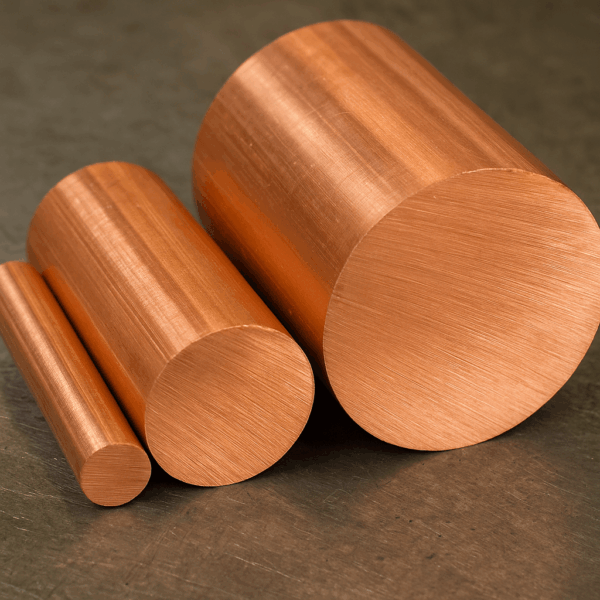
Refined Copper can be supplied in several forms, with copper cathode being one of the most widely traded forms for international wholesale markets and further manufacturing. Electrolytic copper cathodes are particularly suitable for producing copper wire rod, electrical cables, conductors, busbars, copper sheets, tubes, and various copper alloys. Copper wire rod is widely used in the production of electrical wires, power cables, winding wires, communication cables, and other conductive products, while copper bars and busbars are commonly used in electrical switchgear, transformers, distribution systems, control panels, and power transmission equipment. Copper billets and other semi-finished forms can be used for extrusion, forging, machining, tube manufacturing, fittings, and industrial components. Copper sheets and plates are suitable for heat exchangers, roofing and architectural applications, industrial equipment, electrical components, and fabrication. Copper tubes are extensively used in refrigeration, air-conditioning, plumbing, heat-transfer systems, and industrial cooling equipment. Refined copper is also an important raw material for manufacturing brass, bronze, cupronickel, and other copper-based alloys. Its combination of high conductivity, excellent thermal transfer, good formability, weldability, machinability, and resistance to atmospheric corrosion makes it suitable for a broad range of industries. For international buyers, the availability of different copper grades and forms allows manufacturers to select the appropriate material according to electrical conductivity, mechanical strength, fabrication method, dimensional requirements, and end-use specifications.
Refined copper offers manufacturers and distributors a dependable raw material with broad international demand and multiple downstream applications. High-purity copper is particularly valuable in the electrical and energy sectors because efficient conductivity helps reduce electrical losses and supports reliable power transmission and distribution. It is also widely used in renewable-energy equipment, electric motors, generators, transformers, charging infrastructure, industrial machinery, telecommunications equipment, automotive components, refrigeration systems, and heat-transfer applications. The main advantages of refined copper include high electrical conductivity, excellent thermal conductivity, good ductility, strong corrosion resistance, ease of fabrication, recyclability, and long-term industrial performance.
Regular Mineral Sprit
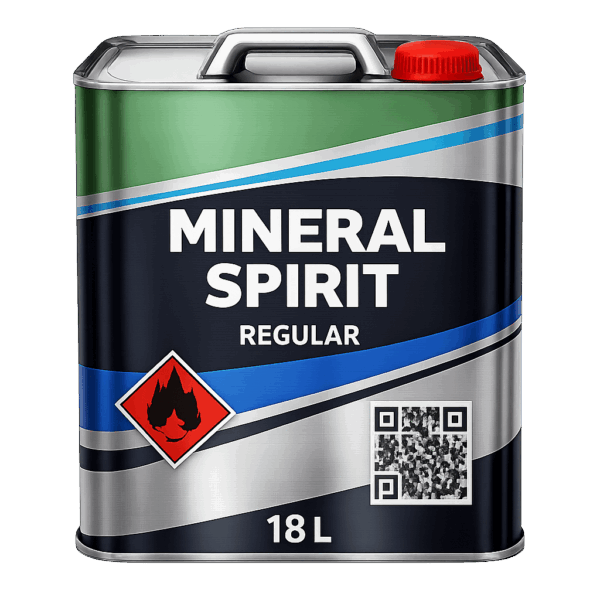
This solvent enhances penetration and adhesion on wood, metal, and previously coated surfaces. It is also effective for cleaning tools, equipment, and surfaces contaminated with oils, greases, and coating residues. Regular mineral spirits support consistent performance in brush, roller, and spray applications. It is suitable for a wide range of indoor and outdoor uses. The stable formulation ensures predictable results in different working conditions. It meets common industrial quality standards.
Typical applications include thinning alkyd primers, oil-based top coats, and decorative paints used in construction and industrial projects. Regular mineral spirits are widely used in factories, workshops, furniture manufacturing, and general maintenance operations. It is suitable for professional painters and industrial users alike. Proper use helps improve coverage and reduce overall paint consumption. The product supports efficient workflows and reliable finishing quality. Available in various packaging sizes for commercial supply. Regular mineral spirits offer an excellent balance of performance and cost efficiency. It remains a trusted solvent choice for traditional coating applications.