

 Arabic
shop
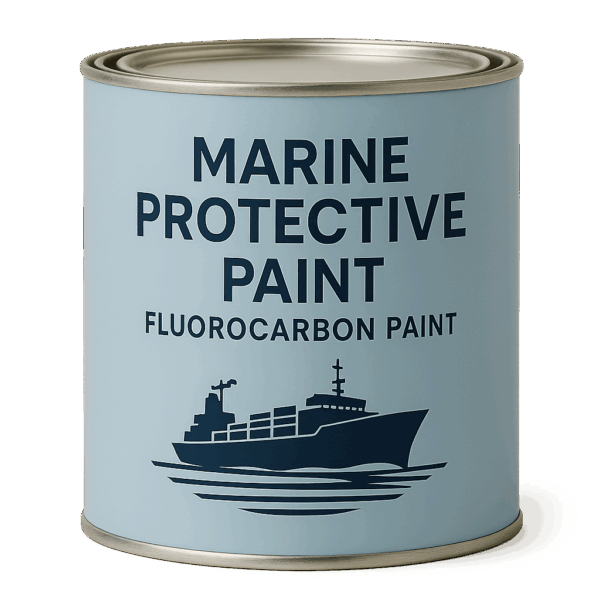
Fluorocarbon Paint
Fluorocarbon paint can be produced in semi-gloss type, matte type, and high-gloss type. Fluorocarbon paint has good weather resistance, strong gloss, and its service life can reach 15-20 years , It is Shock-resistant, wear-resistant and durable to industrial corrosion and marine atmosphere , this is why most of fluorocarbon coatings are used as a topcoat or bridge coating, highway guardrail, high-grade building, petroleum equipment and storage tank paint.
Fluorocarbon paint has exceptional color retention, meaning it maintains its vibrant color for a longer period and , the paint film is easy to clean, even if it is used for a long time, it can still be as clean as new after washing. fluorocarbon paint is known for its self-cleaning properties, as it repels dirt, dust, and other contaminants, making surfaces easier to clean and maintain.
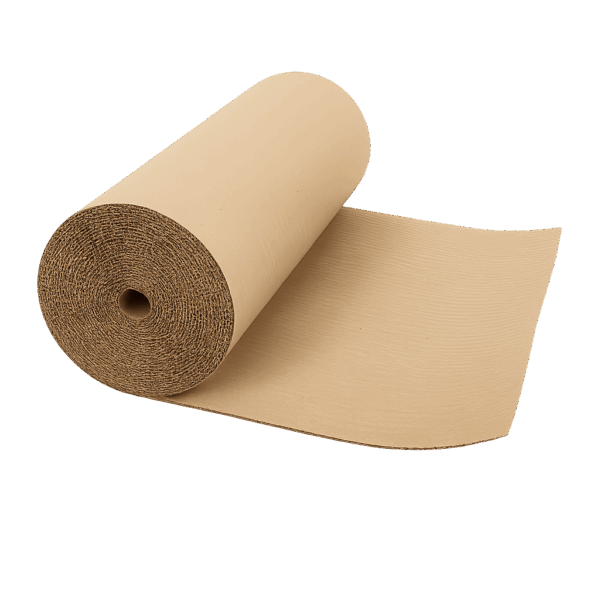
Fluting Paper
Different types of fluting paper are categorized by the size and shape of their flutes, with common applications including packaging fragile items, shipping boxes, and retail packaging depending on the chosen flute type (A, B, C, E, F) with varying levels of cushioning and stacking strength.
Key points about fluting paper is that when combined with liner paper (top and bottom layers), fluting paper creates corrugated cardboard, which is used to make boxes and other packaging materials.

Foam Tape
Foam Tape is supplied in various sizes and dimensions, including roll widths from 5 mm to 1500 mm, customized according to customer requirements, thicknesses from 0.5 mm to 10 mm, and roll lengths commonly ranging from 5 meters to 50 meters depending on the grade, density, and intended use. General-purpose EVA and PE foam tapes are widely used for household, packaging, decoration, and light industrial applications, while high-density PE and acrylic foam tapes are designed for automotive parts assembly, signage, electronics, glass bonding, construction panels, and architectural applications. Double-sided acrylic foam tapes provide excellent adhesion to metals, plastics, glass, and painted surfaces, making them suitable alternatives to mechanical fasteners such as screws and rivets. Heavy-duty foam tapes are used for outdoor mounting, vibration absorption, sealing against moisture and dust, and bonding of structural components where long-term durability is required.
Export-quality Foam Tape is manufactured under controlled production processes to ensure uniform thickness, consistent adhesive performance, high tensile strength, and reliable bonding properties. The main specifications include foam density, adhesive type, peel adhesion, holding power, temperature resistance, tensile strength, elongation, and water resistance. The major advantages of Foam Tape include excellent conformability to irregular surfaces, strong initial and permanent adhesion, noise and vibration reduction, lightweight construction, clean installation without drilling, resistance to environmental conditions, and suitability for automated industrial assembly lines. Due to its versatility and superior bonding performance, Foam Tape is widely exported for automotive, electronics, electrical equipment, construction, furniture, advertising, packaging, appliance manufacturing, and general industrial applications.
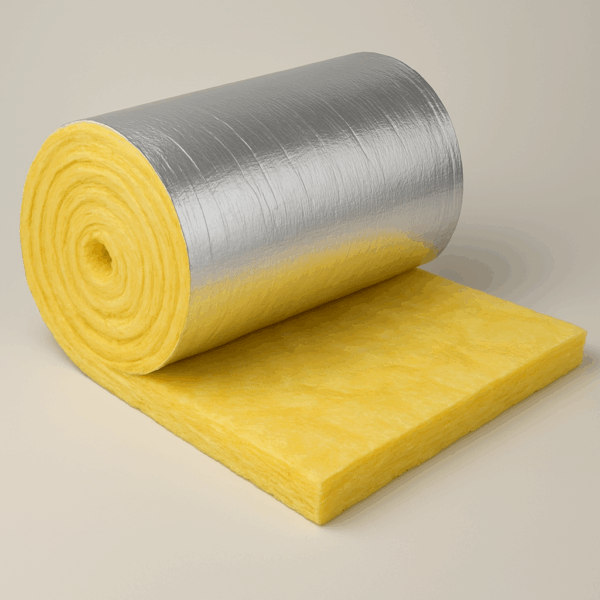
Foil Faced Glass Wool Rolls
Foil-Faced Glass Wool Rolls are primarily used for thermal insulation, acoustic control, and condensation management in buildings and industrial facilities. Typical applications include HVAC duct insulation, air-conditioning systems, ventilation ducts, roofs, ceilings, walls, partitions, suspended ceilings, industrial equipment, pipelines, and mechanical rooms. The glass wool core provides low thermal conductivity, helping reduce heat transfer and improve energy efficiency, while its fibrous structure contributes to sound absorption and noise reduction. The foil facing enhances resistance to moisture vapor penetration and can improve the durability of the insulation system when joints and seams are correctly sealed. Depending on the product specification, commercial grades can be supplied with different densities and thicknesses for standard building insulation, HVAC applications, or higher-performance industrial requirements. Important purchasing parameters include thermal conductivity, density, thickness, roll dimensions, facing type, fire performance, service temperature, tensile strength of the facing, and moisture resistance. The combination of low weight, flexibility, thermal efficiency, acoustic performance, and easy handling makes foil-faced glass wool a practical insulation solution for large-scale construction and mechanical installations.
Foil-Faced Glass Wool Rolls are generally packed in durable polyethylene or plastic wrapping to protect the insulation from dust, moisture, and handling damage during storage and transportation. Rolls may be compressed and individually wrapped or supplied in multiple-roll bundles, depending on the manufacturer, product thickness, and shipping requirements. Packaging specifications can be customized according to roll dimensions, pallet configuration, container utilization, and buyer requirements. During transportation and storage, the material should be protected from prolonged exposure to water, excessive humidity, mechanical damage, and direct contamination. For B2B purchasing, buyers commonly specify the required thickness, density, thermal conductivity, foil type, roll size, fire classification, quantity, and packaging configuration before placing an order. Foil-Faced Glass Wool Rolls are suitable for contractors, insulation distributors, HVAC companies, building-material suppliers, industrial projects, and construction wholesalers seeking an efficient, lightweight, and versatile insulation material for thermal and acoustic applications.

Food Emulsifiers
When they are added to an unmixable liquid, the emulsifier molecules position themselves along the so-called interfacial layer where the oil separates from the water. Here, the emulsifier is positioned in such a way that their hydrophilic end faces towards the water phase and their hydrophobic end faces the oil phase, making it possible for the water and oil to become finely dispersed in each other. In the end, the emulsifier creates a stable, homogenous, and smooth emulsion. Available Emulsifiers used in food production are either purified natural products (either from plant or animal origins) or synthetic chemicals that have very similar structures to the natural products.
Some common types of emulsifiers in the food industry include egg yolk (where the main emulsifying agent is lecithin), soy lecithin, mustard, Diacetyl Tartaric Acid Esters of Monoglycerides (DATEM), PolyGlycerol Ester (PGE), Sorbitan Ester (SOE) and PG Ester (PGME).

Food Grade ABS
The production process of Food Grade ABS involves polymerization of acrylonitrile, butadiene, and styrene components followed by advanced compounding, filtration, pelletizing, and quality inspection procedures. During manufacturing, additives and stabilizers approved for food contact applications may be incorporated to improve thermal resistance, color stability, processing performance, and long-term durability. Available commercial types include injection molding ABS grades for rigid components, extrusion ABS grades for profiles and sheets, high-impact ABS grades for demanding applications, heat-resistant ABS grades for elevated temperature environments, and custom-colored ABS compounds for specialized production requirements. Food Grade ABS is commonly used in food processing equipment parts, kitchen appliance components, refrigerator and freezer interiors, food storage accessories, beverage equipment parts, trays, containers, housings, and various consumer products requiring safe and durable plastic materials.
Food Grade ABS offers many advantages including excellent impact strength, smooth and attractive surface appearance, easy processing, good chemical resistance, lightweight structure, and outstanding dimensional accuracy. This material can be customized according to customer requirements with different melt flow rates, colors, mechanical properties, and processing specifications. Commercially available Food Grade ABS resin is supplied in various grades suitable for injection molding, extrusion, and manufacturing of precision plastic components for domestic and industrial applications. With its combination of safety, reliability, and cost efficiency, Food Grade ABS is an ideal solution for manufacturers looking for high-quality food contact plastic materials for export markets, large-scale production, and advanced industrial applications.

Food Grade PE Stretch Film
It is widely used in food processing, catering, retail, and household applications where cleanliness and product integrity are essential. Our food grade stretch film is produced under strict quality control standards and complies with international food contact regulations. It is available in commercial grades such as standard food wrap, high-clarity grade, and soft cling grade, offering excellent transparency and smooth handling. Common thicknesses include 8, 9, 10, 12, and 14 microns, with customized options available for specific applications. The film is typically supplied in clear and transparent form to maintain product visibility, while optional light-tinted versions are available upon request. Key technical features include superior cling without additives transfer, high elasticity, resistance to tearing, low odor, and excellent barrier protection against moisture and airborne contaminants. It is suitable for both manual and machine use, with rolls available in various widths and lengths to match different wrapping needs.
Food Grade PE Stretch Film is ideal for wrapping fresh fruits and vegetables, meat, poultry, seafood, bakery items, sandwiches, ready meals, and dairy products. It is commonly used in supermarkets, restaurants, hotels, food factories, and home kitchens. By maintaining food hygiene, reducing waste, and enhancing presentation, this stretch film supports efficient and safe food handling. Its recyclable structure, consistent quality, and reliable performance make it a trusted packaging choice for modern food supply chains.
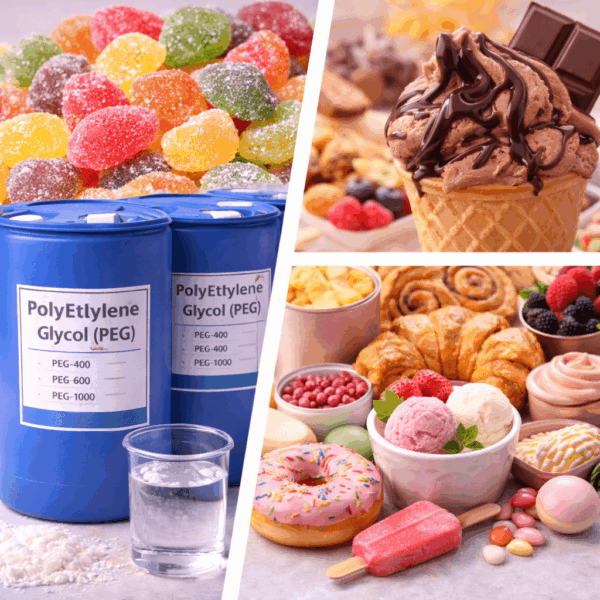
Food Grade Polyethylene Glycol
Food Grade Polyethylene Glycol is available in different molecular weight grades, each designed for specific commercial applications. Low molecular weight grades such as PEG 200, PEG 300, PEG 400, and PEG 600 are commonly supplied as clear liquid products and are used as solvents, carriers, humectants, emulsifiers, and texture modifiers in food and beverage formulations. Higher molecular weight grades such as PEG 1000, PEG 1500, PEG 3350, PEG 4000, and PEG 6000 are supplied in solid, waxy, or flake forms and are used as stabilizers, binders, lubricants, coating agents, and formulation additives. In the food industry, Food Grade PEG is used in confectionery products, flavor and fragrance carriers, food coatings, bakery processing aids, dietary supplement manufacturing, and specialized food formulations. In pharmaceutical applications, PEG grades are used as excipients, tablet binders, ointment bases, laxative ingredients, and drug delivery components due to their excellent compatibility and stability.
The main advantages of Food Grade Polyethylene Glycol include high purity, excellent water miscibility, low toxicity, chemical resistance, thermal stability, and compatibility with various organic and inorganic materials. This product is available in customized molecular weight ranges according to customer requirements and can be supplied for wholesale export markets in liquid, solid, powder, flakes, or pastille forms. Food Grade PEG provides manufacturers with a reliable multifunctional ingredient that improves product quality, processing performance, shelf stability, and formulation efficiency. With increasing demand from food processing, pharmaceutical, nutraceutical, and cosmetic industries, high-quality Food Grade Polyethylene Glycol has become an essential specialty chemical for global industrial applications.

Food Grade Talc Powder
Food grade talc is produced in specialized grades distinct from standard industrial talc, including food grade talc, pharmaceutical grade talc, high-purity low-iron talc, and ultra-fine refined talc, each designed to meet regulatory and functional requirements. Powder particle sizes typically range from 10 µm to 45 µm, with fine and micronized grades available to ensure uniform dispersion and consistent performance in food processing systems. Thanks to its natural lamellar structure and chemical inertness, food grade talc functions as an excellent anti-caking, anti-sticking, and flow-improving agent. It is widely used in chewing gum production, rice and grain polishing, confectionery processing, powdered foods, food packaging, and as a processing aid in tablet manufacturing within the pharmaceutical sector.
Key properties of food grade talc include high purity, neutral taste and odor, low moisture absorption, thermal stability, and excellent lubricating behavior. These characteristics help improve processing efficiency, reduce equipment sticking, enhance product appearance, and maintain consistent quality without affecting food flavor or composition. Available in food-approved bags, cartons, or customized packaging, food grade talc powder offers manufacturers a reliable, safe, and cost-effective solution for improving flowability, processing performance, and product quality across a wide range of food and pharmaceutical applications.

Food Stabilizers
Typical uses include preventing oil-water emulsions from separating in products such as salad dressing; preventing ice crystals from forming in frozen food such as ice cream; and preventing fruit from settling in products such as jam, yogurt and jellies. Some of available stabilisers are :
alginate , agar, carrageen , cellulose and cellulose derivatives , gelatin , guar gum , gum Arabic , locust bean gum , pectin , starch , xanthan gum.
Available Stabilizers are produced naturally or artificially and can be derived from various sources such as plant-based, animal-based, or microbial sources. These additives may be used for controlling and preventing phase separation, creating gel-like properties, increasing creaminess, enhancing firmness, reducing flexibility, controlling viscosity, increasing shelf life, controlling appearance and colour, as well as preventing changes in temperature and pH.
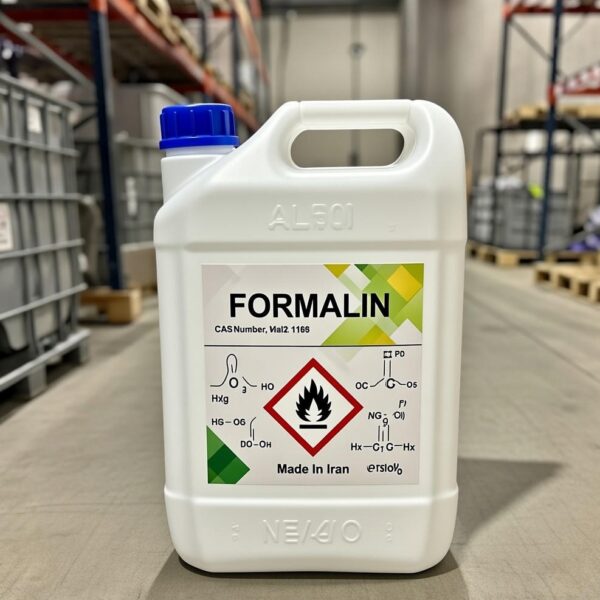
Formalin
Commercially available formalin is offered in different concentrations and specifications according to the requirements of the end user and manufacturing process. Formalin 37% is one of the most common industrial grades and is extensively used in resin production, adhesives, wood-based panels, textiles, chemical manufacturing, and other industrial applications. Formalin 30% and other lower-concentration solutions can be used where a lower formaldehyde concentration is required for process control, formulation, or specific chemical applications. Stabilized formalin, generally containing methanol or another suitable stabilizer, is commercially important because stabilization helps limit the formation of paraformaldehyde during storage. Technical-grade formalin is mainly supplied for industrial manufacturing and chemical processing, while higher-purity grades may be selected for laboratory or specialized applications when tighter impurity limits are required. In the wood and furniture industries, formalin is an important feedstock for manufacturing urea-formaldehyde and melamine-formaldehyde resins used in plywood, MDF, particleboard, laminates, and wood adhesives. In the textile industry, formaldehyde-based chemistry can be used in resin finishing and treatment processes. Formalin is also used in foundry chemicals, coatings, construction chemicals, paper treatment, and selected agricultural and industrial formulations. Its commercial value is associated with consistent concentration, controlled acidity, low impurity levels, suitable stabilization, and reliable performance during processing. For international wholesale trade, formalin can be supplied according to customer requirements concerning concentration, grade, packaging, transportation conditions, documentation, and applicable quality specifications.
From a specification and performance perspective, high-quality formalin should provide consistent formaldehyde concentration, good solution clarity, controlled methanol content where stabilization is required, and suitable chemical stability throughout normal storage and transportation conditions. Typical specifications considered by industrial buyers include formaldehyde content, methanol content, acidity, density, color, iron content, residue on evaporation, and other parameters relevant to the intended application. Formalin offers several advantages as an industrial raw material, including high reactivity, versatility, efficient incorporation into resin systems, broad compatibility with chemical manufacturing processes, and availability in multiple commercial concentrations. Its use in formaldehyde-based resin production enables manufacturers to produce materials with useful bonding, hardness, dimensional stability, and chemical-resistance characteristics. Formalin is therefore an essential feedstock for many manufacturing industries, particularly producers of adhesives, engineered wood products, resins, coatings, and specialty chemicals. For wholesale export, consistent product quality and appropriate packaging are especially important because formalin is a regulated hazardous chemical and must be handled, stored, labeled, and transported in accordance with applicable safety requirements and international regulations. Buyers should select the appropriate formalin grade based on concentration, stabilizer content, required purity, production process, and final application. As a widely traded industrial chemical, Formalin provides manufacturers with a practical and versatile source of formaldehyde for continuous production, while reliable quality control helps ensure predictable performance from batch to batch.

Freezerless Refrigerators
The flexibility of adjustable shelves and compartments allows for customization to fit groceries of various sizes, enhancing your storage strategy and organization. A freezerless refrigerator will take up only a small amount of space in your living area and such freezers are cost effective and use less energy .
such refrigerators can be used as a second fridge to store bulk drinks, produce, fresh meats and dairy for big families , since they gives you more space and more space means you can keep things neat and easy to find.