

 Arabic
shop
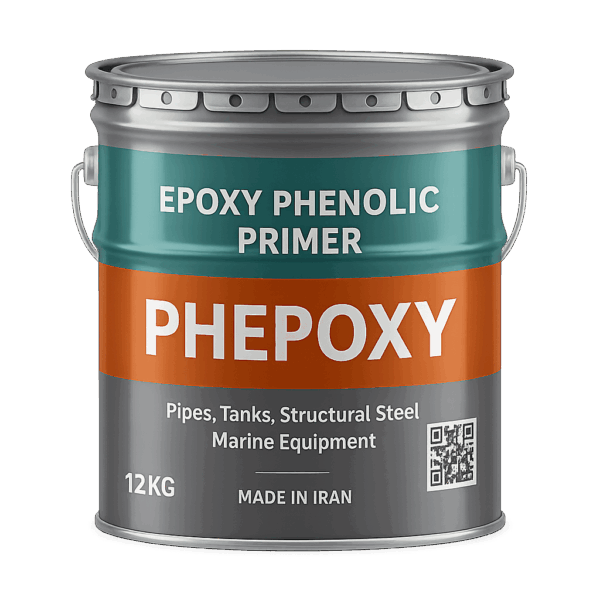
Epoxy Phenolic Primer
Epoxy Phenolic Primers are generally supplied as two-component systems (epoxy base and phenolic hardener) and are widely used in oil & gas facilities, storage tanks, refinery units, chemical plants, offshore structures, pipelines, marine vessels, and industrial steel equipment. Key advantages include outstanding resistance to solvents, acids, fuels, hydrocarbons, and water immersion, as well as excellent adhesion to properly prepared steel surfaces. Typical properties include high crosslink density, excellent film integrity, good abrasion resistance, strong intercoat adhesion, and suitability for continuous or intermittent exposure to harsh chemical environments.
Epoxy Phenolic Primers can be applied by airless spray, air-assisted spray, brush, or roller, allowing flexible application in workshops and on-site projects. They are available in standard industrial packaging such as 5 kg, 10 kg, 12 kg, and 20 kg metal pails, as well as 200 kg steel drums for large-scale industrial use. These primers are commonly specified in heavy-duty coating systems that require long service life, reduced maintenance costs, and compliance with international standards such as ISO 12944, NACE, and SSPC, making them a reliable choice for export-oriented and high-specification projects.
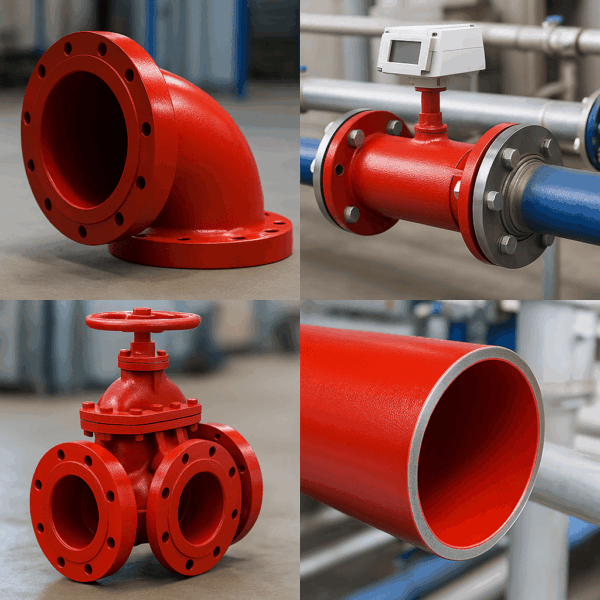
Epoxy Powder Coating For Potable Water Pipe Lining
Formulated with high-grade epoxy resins, corrosion inhibitors, potable-water-approved pigments, flow enhancers, and certified curing agents, the coating meets stringent international drinking-water standards such as NSF/ANSI 61, WRAS, and European potable water regulations. Its dense cross-linked microstructure provides excellent resistance to dissolved salts, chlorinated water, soil chemicals, and internal pressure fluctuations meanwhile its ultra-low extractables make it ideal for global water supply networks and municipal water infrastructure.
Epoxy Powder Coating for Potable Water Pipe Lining is used in steel water transmission pipelines, ductile iron pipes, water treatment plant equipment, storage tanks, pressure vessels, fittings, joints, valves, hydrants, and municipal distribution networks. It also supports desalination plants, groundwater extraction wells, and food-grade fluid transportation systems.
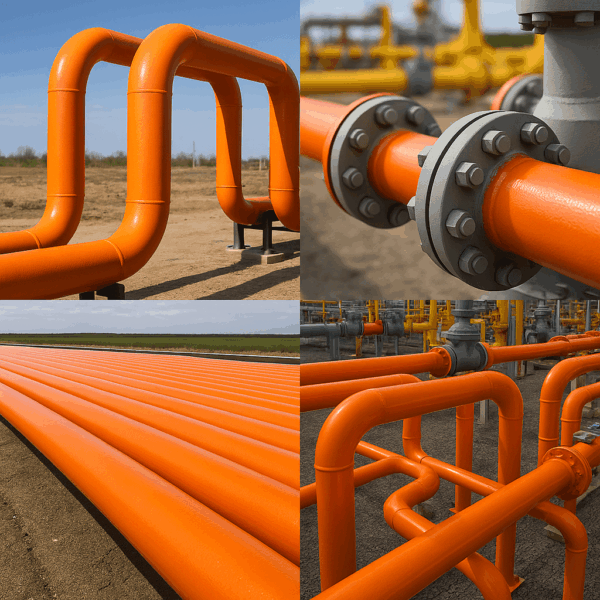
Epoxy Powder Coating For Sour Gas Pipes
Formulated with premium epoxy resins, anti-corrosion pigments, H₂S-resistant fillers, flow modifiers, and high-strength curing agents, the coating creates a fully cross-linked structure that maintains long-term mechanical integrity under extreme conditions. This epoxy powder coating is engineered to extend the operational life of pipelines used in upstream, midstream, and downstream oil & gas applications and its superior adhesion ensures durable protection over steel substrates exposed to sour gas, CO₂, chlorides, acidic water, and abrasive particulates.
Epoxy Powder Coating for Sour Gas Pipes is widely used in wellhead pipelines, gathering lines, gas processing facilities, refinery pipelines, compressor stations, offshore platforms, subsea components, fittings, flanges, valves, and high-pressure sour service lines. Its excellent chemical resistance makes it ideal for regions with aggressive geological formations and high H₂S content.
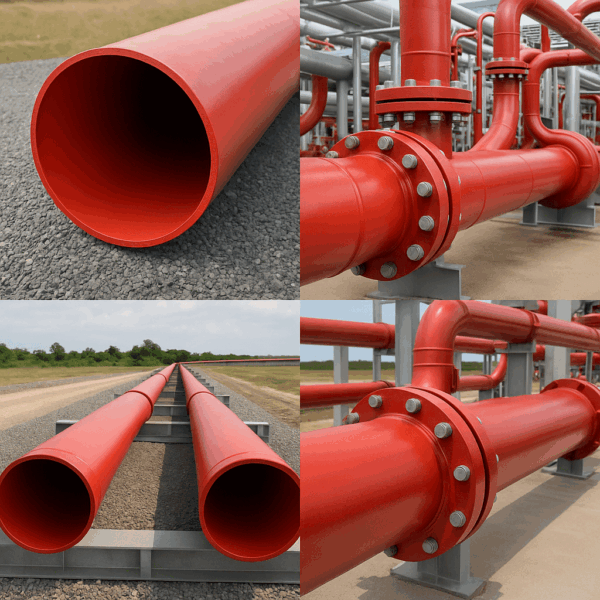
Epoxy Powder Coating For Wastewater Pipe Lining
Manufactured using premium epoxy resins, anti-corrosion pigments, chemical-resistant fillers, flow modifiers, and high-strength curing agents, the coating forms a dense and highly cross-linked barrier on steel and ductile iron substrates. Its superior resistance to hydrogen sulfide (H₂S), sulfuric acid formation, organic acids, ammonia, alkaline solutions, and abrasive particulates makes it ideal for heavy-duty wastewater operations.
This coating is widely used in municipal sewer pipelines, industrial wastewater lines, manhole structures, clarifier equipment, sludge handling systems, pump stations, treatment plant tanks, pipelines exposed to aggressive effluents, and drainage systems in chemical, food, and mining industries. Its smooth internal lining reduces friction, prevents deposits, and enhances flow efficiency.
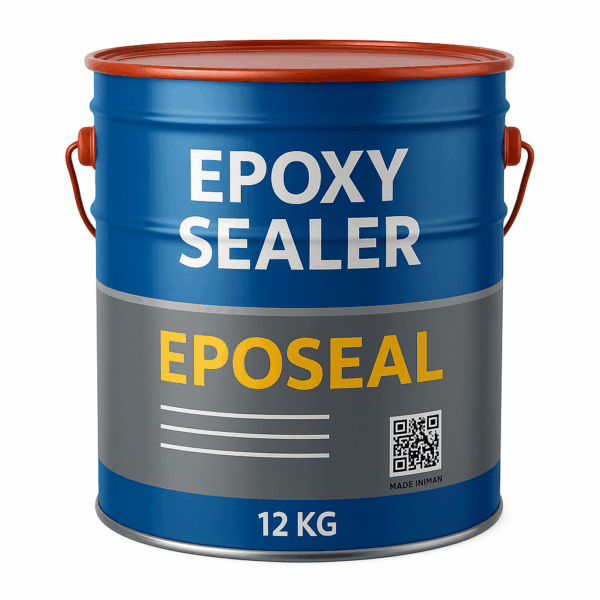
Epoxy Sealer
epoxy sealers are available in solvent-based, water-based, and 100% solid epoxy sealer types, as well as two-component (resin + hardener) and single-pack modified epoxy systems. Typical applications include concrete floors, industrial flooring systems, metal surfaces, steel structures, wood substrates, tanks, pipelines, and marine and offshore structures. The main ingredients of epoxy sealers include epoxy resins (Bisphenol-A or Bisphenol-F based), amine or polyamide hardeners, fillers, flow and wetting additives, and optional anti-corrosive pigments. Key advantages include excellent adhesion, low permeability, high mechanical strength, strong chemical and moisture resistance, and compatibility with epoxy, polyurethane, and polyaspartic topcoats.
In terms of performance properties, epoxy sealers provide high surface sealing efficiency, good penetration into concrete and porous substrates, low shrinkage, and long service life under industrial conditions. They improve coating system durability by reducing substrate porosity and enhancing intercoat adhesion. Epoxy sealers are supplied in various industrial packaging formats, including 1–5 kg cans, 10–12 kg kits, 20–25 kg pails, 200 kg steel drums, and IBC containers for large-scale projects. These characteristics make epoxy sealers a cost-effective and specification-compliant choice for professional coating and construction applications.

Espadrille Flat Shoes
Espadrilles are casual shoes originating from the Pyrenees region of France and Spain. They feature a canvas or fabric upper and a flexible sole made from jute or rope. Espadrilles are lightweight, breathable, and perfect for warm summer days. They can be paired with casual outfits, including shorts, dresses, or skirts, adding an effortless and laid-back vibe to your summer style.

Ethernet Cable
Ethernet Cables are available in multiple standardized categories such as Cat5e, Cat6, Cat6a, Cat7, and Cat8, each supporting different bandwidths and transmission speeds up to multi-gigabit and 10G/40G applications. They are manufactured in unshielded (UTP), shielded (STP), FTP, and S/FTP constructions to suit various electromagnetic environments. Typical components include solid or stranded copper conductors, twisted pairs, insulation layers, separators, shielding foils or braids, and an outer PVC or LSZH jacket. Ethernet cables are widely used in structured cabling systems, LAN and WAN networks, IP cameras, VoIP systems, smart buildings, industrial automation, and data centers. From a technical standpoint, key parameters such as conductor gauge (AWG), impedance control, crosstalk performance, attenuation, flame retardancy, and compliance with ISO/IEC, TIA/EIA, and EN standards ensure consistent signal quality and long-term reliability.
It is possible to supply the Ethernet Cables in 305-meter boxes, pull boxes, wooden or plastic drums, and customized cut lengths for project-based installations. Color-coded jackets are available for easy network identification and organization. With high data integrity, scalable performance, and broad compatibility with networking equipment, Ethernet cables remain the preferred solution for efficient, secure, and future-ready communication networks across all industries.
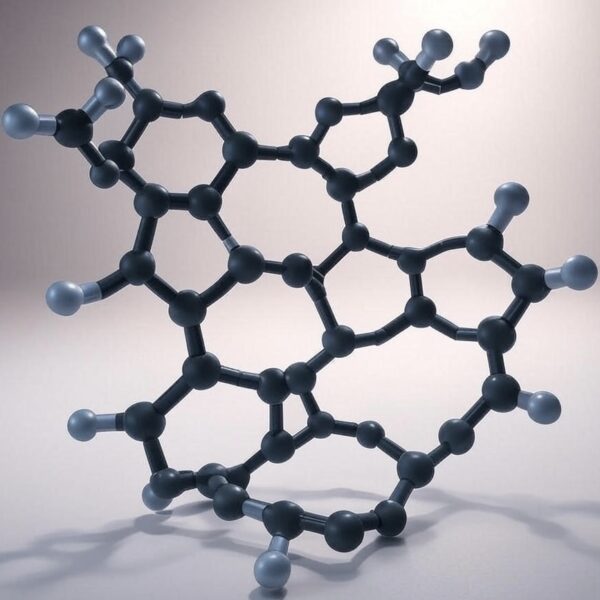
Ethyl Acetate
Commercial Ethyl Acetate is available in several grades including Industrial Grade, Pharmaceutical Grade, Food Grade, and High Purity Grade, each designed for specific applications and purity requirements. Industrial Grade Ethyl Acetate is commonly used in paints, coatings, printing inks, adhesives, and resin production, while higher purity grades are applied in pharmaceutical manufacturing, cosmetics, laboratory processes, and food extraction industries. Its fast drying capability and strong dissolving power make it an ideal solvent for flexible packaging inks, surface coatings, lacquers, and cleaning formulations.
Ethyl Acetate is supplied worldwide in different packaging solutions such as steel drums, plastic drums, IBC containers, and bulk tanker shipments according to customer requirements and transportation conditions. It is widely demanded by packaging manufacturers, printing companies, chemical producers, pharmaceutical companies, and adhesive manufacturers. With its reliable chemical properties, high purity options, and versatile industrial applications, Ethyl Acetate continues to be a preferred solvent choice for manufacturers looking for efficient, economical, and high-performance chemical solutions.
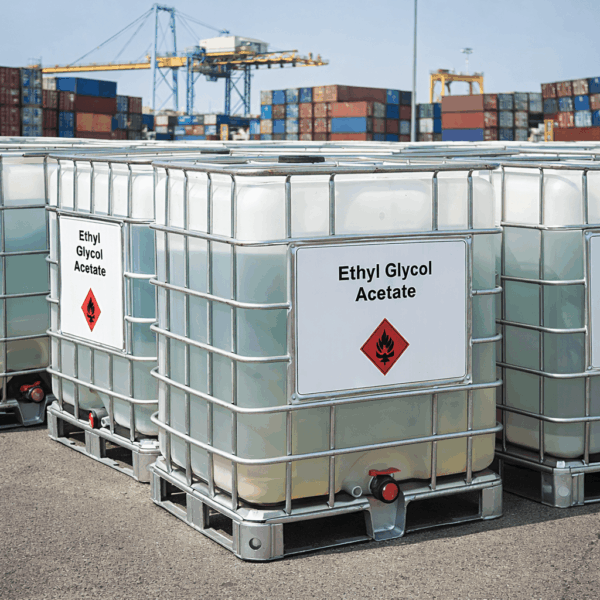
Ethyl Glycol Acetate
It is commonly used as a solvent and co-solvent in paints, automotive and industrial coatings, printing inks, varnishes, lacquers, adhesives, and surface treatment products. Chemically, it is an acetate ester of ethylene glycol monoethyl ether, providing excellent solvency for acrylic, polyurethane, epoxy, nitrocellulose, and alkyd resins. Key technical properties include a moderate evaporation rate, relatively high boiling point, low viscosity, good flash point, and excellent miscibility with most organic solvents. These characteristics contribute to improved leveling, enhanced gloss, uniform film formation, and reduced surface defects in finished products.
Ethyl Glycol Acetate can be supplied in various commercial packaging options to meet different production scales, including 25 kg and 30 kg plastic drums, 200 kg steel or HDPE drums, 1,000 kg IBC containers, and bulk tanker deliveries. It offers good storage stability when handled and stored under recommended conditions. With its cost-effective performance, formulation flexibility, and broad industrial acceptance, Ethyl Glycol Acetate remains a reliable solvent solution for coatings, inks, adhesives, and specialty chemical manufacturers seeking consistent quality and efficiency.
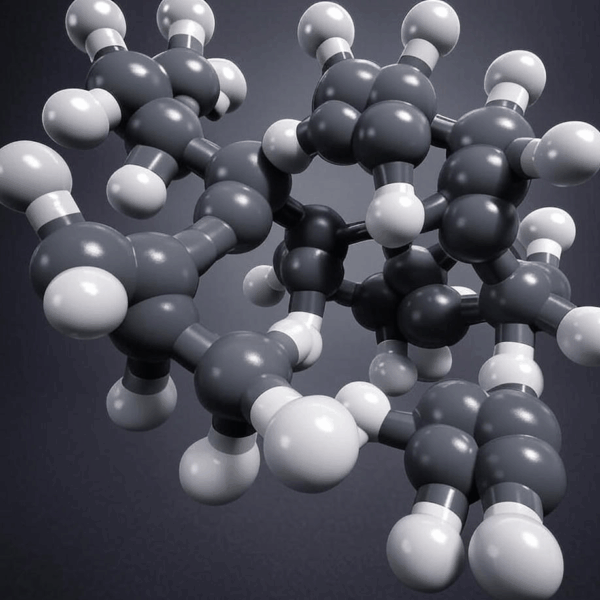
Ethylene
The largest application of commercial Ethylene is the production of polyethylene resins, including High Density Polyethylene (HDPE), Low Density Polyethylene (LDPE), and Linear Low Density Polyethylene (LLDPE). These polyethylene grades are widely used for manufacturing plastic films, packaging materials, shopping bags, bottles, containers, pipes, agricultural films, geomembranes, and various industrial products. Ethylene is also an important raw material for producing Ethylene Oxide, Ethylene Glycol, Vinyl Acetate Monomer (VAM), Styrene, Alpha Olefins, and other chemical intermediates used in different industries.
Commercial Ethylene is supplied in different grades and specifications according to industrial requirements, with polymer-grade Ethylene offering very high purity for polymerization applications and chemical-grade Ethylene used for various chemical synthesis processes. Due to its gaseous nature and flammability, Ethylene requires specialized storage and transportation systems, including pipelines, pressurized vessels, and cryogenic facilities. High-quality Ethylene with consistent purity and specifications ensures reliable polymer production, improved process efficiency, and stable performance in large-scale petrochemical, packaging,
Ethylene Glycol
Commercial Ethylene Glycol is available in different grades including Industrial Grade, Fiber Grade, and High Purity Grade, each designed for specific applications. Fiber Grade MEG is mainly used in polyester manufacturing, while Industrial Grade is commonly utilized in coolants, heat transfer fluids, and chemical formulations. High Purity Ethylene Glycol is preferred for applications requiring strict quality control and consistent chemical performance.
Ethylene Glycol is supplied in various packaging options such as bulk tankers, ISO tanks, flexitanks, and drums depending on customer requirements and transportation conditions. Its excellent miscibility with water, chemical stability, and reliable performance make it a preferred choice for industries including automotive, textile, plastics, construction, and energy. Ethylene Glycol continues to be a critical chemical product for global industrial supply chains due to its versatility and wide range of applications.
Ethylene Glycol Diacetate
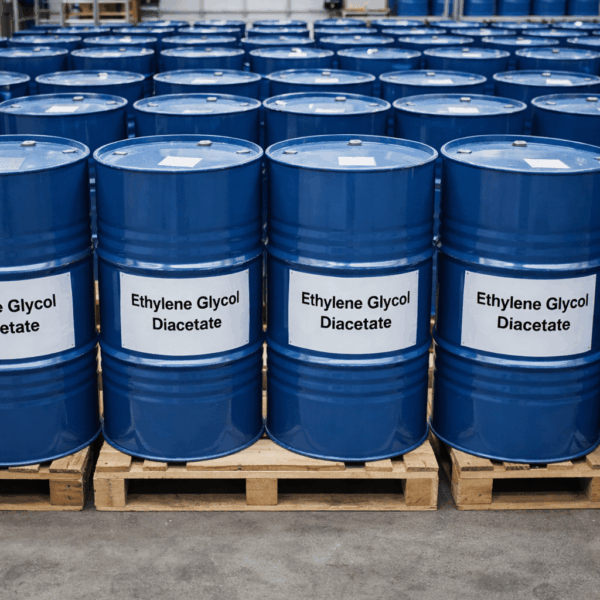
Its balanced evaporation rate makes it ideal for applications demanding smooth film formation and controlled drying. Ethylene Glycol Diacetate can be offered in several grades, including standard industrial grade, high-purity grade, and customized specifications for sensitive formulations. EGDA is extensively used as a solvent and co-solvent in coatings, paints, printing inks, varnishes, adhesives, sealants, and leather finishing systems. Chemically, it is composed of ethylene glycol esterified with acetic acid, providing strong solvency for resins such as nitrocellulose, acrylics, polyurethanes, epoxies, and alkyds. Key technical properties include a moderate boiling point, good flash point, low viscosity, high solvency strength, and excellent miscibility with most organic solvents. EGDA improves flow, leveling, gloss, and adhesion while supporting uniform film formation in both solvent-based and selected water-borne systems.
Ethylene Glycol Diacetate is supplied in a wide range of commercial packaging options to suit different production scales, including 25 kg and 30 kg plastic drums, 200 kg steel or HDPE drums, 1,000 kg IBC containers, and bulk tanker shipments. It offers reliable storage stability under normal conditions and consistent quality from batch to batch. With its cost-effective performance, ease of formulation, and broad industrial acceptance, EGDA is a dependable solvent solution for coatings, inks, adhesives, and specialty chemical manufacturers seeking efficiency, durability, and high-quality results.