

 Arabic
shop
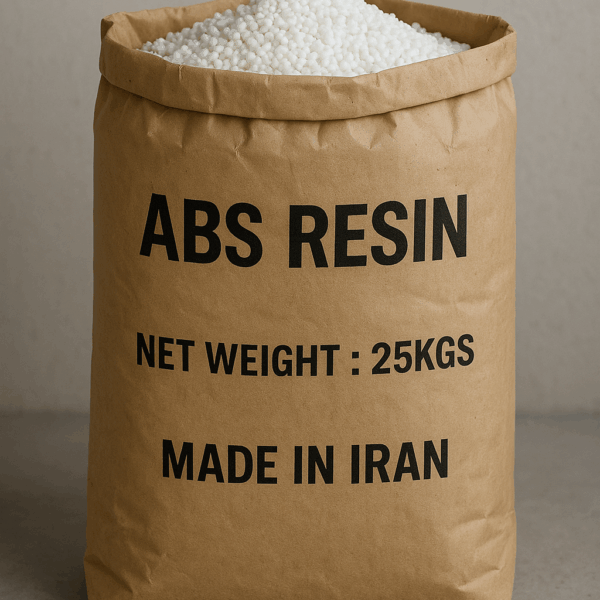
Acrylonitrile Butadiene Styrene Copolymer
Diverse Varieties of ABS are available since ABS is a copolymer of acrylonitrile, butadiene, and styrene .Acrylonitrile contributes strength, chemical resistance, and thermal stability, while butadiene enhances toughness and impact resistance. Styrene imparts high gloss, easy coloring, and smooth processing. So varying the monomer ratios yields ABS with diverse physical properties, catering to specific application needs. Furthermore, incorporating additives like glass fibers bolsters strength, while flame retardants enhance fire resistance. Based on the level of impact resistance, ABS can be classified into three categories of High Impact ABS , Medium Impact ABS, Low Impact ABS.
Other grades of ABS are available such as :
Flame Retardant ABS that is suited for crafting monitor casings, modem casings, power sockets, printer casings, and similar applications, prioritizing safety and durability.
Heat-Resistant ABS that can withstand temperatures up to 120 ℃ without deformation or degradation is used in the fields of electronic appliances, home appliances, and automobile parts.
Transparent ABS also known as MABS or methyl methacrylate-acrylonitrile-butadiene-styrene plastic, is engineered by blending ABS with PMMA, resulting in a transparent and durable material.
Food-Grade ABS meets stringent FDA certification standards, ensuring its safety for direct contact with food.
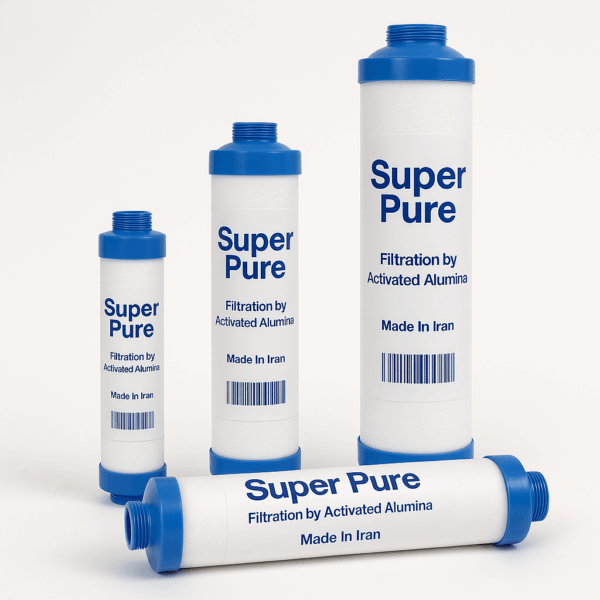
Activated Alumina Water Filter
Manufactured from high-purity aluminum oxide (Al₂O₃), activated alumina granules exhibit excellent chemical stability and thermal resistance. They are available in various types such as standard grade, fluoride removal grade, and arsenic-specific grade. The common particle sizes range from 0.3 mm to 5 mm, allowing precise design flexibility according to flow rates and pressure requirements. With a pore volume of 0.4–0.5 cc/g and specific surface area up to 300 m²/g, they operate efficiently over a wide pH range (5–9). Each batch undergoes strict quality control to meet international water treatment standards including NSF and ISO specifications.
In commercial and residential use, Activated Alumina filters perform effectively in cartridge housings, pressure vessels, and multi-layer filtration systems. They are highly reusable through simple regeneration with caustic or acid treatment, offering long operational life and low replacement cost. These filters are ideal for fluoride removal plants, laboratory water polishing systems, and pre-treatment units for reverse osmosis systems — combining chemical precision with sustainable performance.
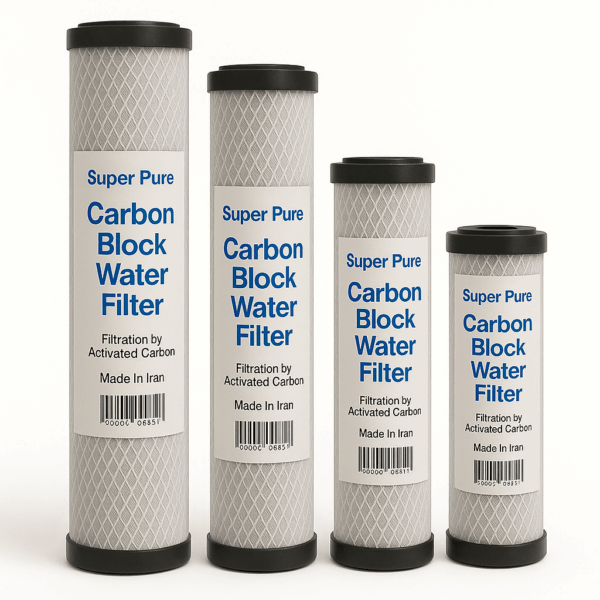
Activated Carbon Water Filter
Manufactured from high-density activated carbon derived from coconut shell, coal, or wood-based materials, Carbon Block filters provide exceptional contaminant removal capacity. Available in multiple types — standard, lead-removal, CTO (Chlorine, Taste, Odor), and sediment combination blocks — they come in sizes of 5”, 10”, and 20” to fit most filter housings. Their chemical composition typically includes compressed carbon particles bonded with a minimal amount of food-grade polymer binder. Specifications such as a pore size between 0.5 to 10 microns, maximum operating pressure of 125 psi, and flow rate up to 3 liters per minute make them ideal for fine purification needs. Each block undergoes strict testing for NSF/ANSI standards to guarantee quality and safety.
Carbon Block water filters are widely used as pre-filters in reverse osmosis systems, under-sink units, and beverage processing lines. Their high surface area ensures superior chlorine removal and reduction of volatile organic compounds, resulting in naturally balanced, odor-free water. Easy to install and replace, these filters combine chemical precision with structural integrity — making them a smart choice for anyone seeking dependable water purification with consistent performance and durability.

Active Yeast
Yeast is made with a living organism called Saccharomyces cerevisiae. This organism feeds on sugars in the dough and promotes the fermentation of the dough and converts the sugar and starch into alcohol and carbon dioxide. Then, with the help of oxygen in the moist ingredients, the carbon dioxide gas is trapped within the dough and this causes it to form bubbles. These bubbles make the bread rise.
Active yeast is a form of dry yeast in which the yeasts are not killed but made dormant through dehydration, and return to becoming active again when mixed with a warm liquid such as water or milk known as proofing. Aside from required proofing, active dry yeast is slightly larger than instant yeast and requires direct contact with warm water to dissolve. Baking with active dry east is much easier than other kinds of yeasts and The long shelf life is one of the major advantages of active dry yeast.
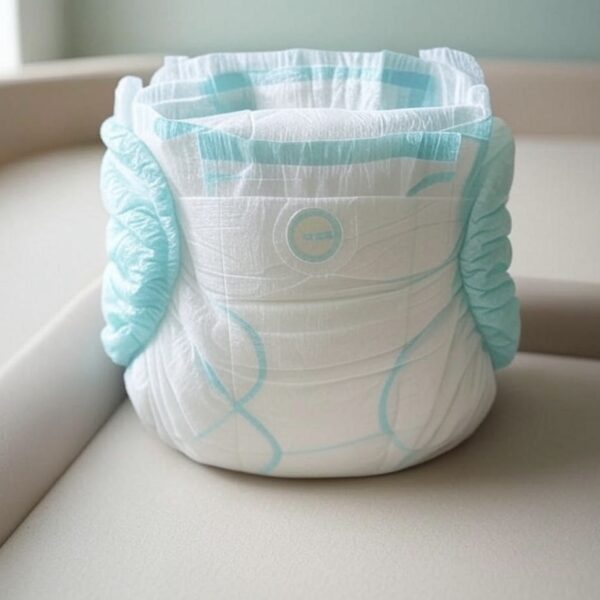
Adults Diapers
Construction of Adult Diapers:
- Outer Layer, typically made of a waterproof or water-resistant material.
- Absorbent Core , responsible for soaking up and retaining fluids, usually made from a combination of materials such as fluff pulp, superabsorbent polymers (SAP), and other absorbent materials.
- Acquisition Distribution Layer or ADL is key in spreading the urine or liquid within the adult diaper to maintain dryness – a good ADL ensures that the urine is distributed across the core to reduce clumping in specific areas.
- Inner Layer, designed to keep the wearer’s skin dry and comfortable. It is often made from a non-woven fabric that allows moisture to pass through to the absorbent core while preventing wetness from coming back to the skin.
- Elastic Leg Cuffs, To prevent leaks and provide a secure fit, adult diapers are equipped with elastic leg cuffs. These cuffs create a barrier around the legs, ensuring a snug and comfortable seal.
- Fastening System: To keep the diaper securely in place,
- Waistband: The waistband provides additional support and helps maintain a comfortable fit
AGM Automotive Batteries
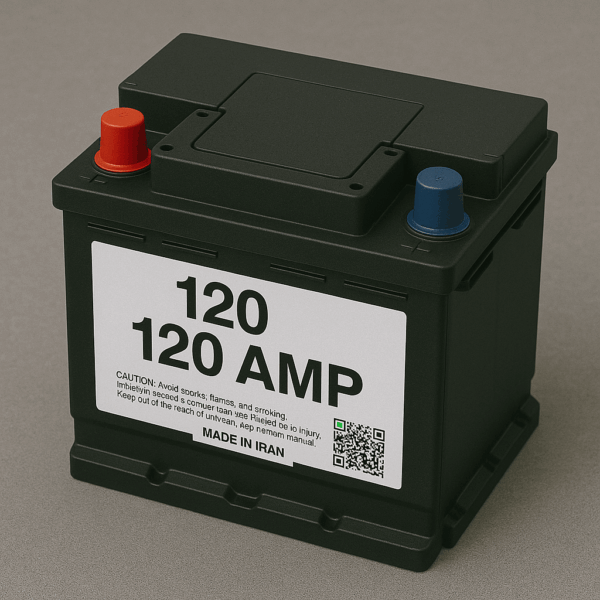
AGM batteries are available in multiple types, including high-cranking AGM, deep-cycle AGM, start-stop AGM EFB-enhanced replacements, and heavy-duty AGM for commercial vehicles. Their amperage range typically includes 35Ah, 45Ah, 55Ah, 60Ah, 70Ah, 80Ah, 90Ah, 100Ah, 120Ah, and up to 200Ah, depending on engine size and electrical load requirements. AGM technology is widely used in vehicles with energy-intensive systems such as infotainment units, navigation devices, LED lighting, electric steering, safety sensors, and auxiliary power modules. They are ideal for premium cars, hybrid start-stop engines, off-road vehicles, trucks, and emergency response fleets. AGM batteries provide high cycle life, low internal resistance, strong cold-cranking performance, and excellent recharge efficiency. Their spill-proof sealed construction enhances safety, prevents acid leakage, and allows flexible mounting positions in automotive design.
AGM technology ensures stable voltage output, extended service life, and excellent performance under extreme temperatures. This makes AGM batteries a preferred choice for advanced automotive electrical systems and demanding B2B applications.
Each AGM battery is supplied with terminal caps, QR traceability codes, serial numbers, and compliance labels such as CE, ISO/TS certifications, and automotive test reports. B2B customers can request private-label production, customized amperage ranges, and regional market specifications. We also provide charge-state diagnostics, warranty programs, and after-sales technical support for distributors. With stable supply chains, competitive export pricing, and proven AGM technology, these batteries offer a dependable and long-lasting power solution for automotive manufacturers and spare-parts wholesalers worldwide.
Agricultural Tire R1
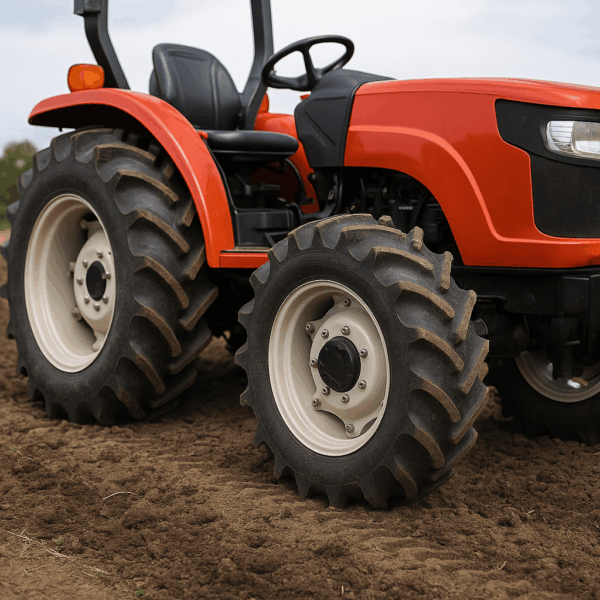
R1 tires, also known as “agricultural” or “ag tires,” are standard for farm tractors. They feature large, widely-spaced lugs designed to prevent slipping or clogging. These tires excel on soft surfaces—like fields of corn, soybeans, and wheat—delivering excellent traction and self-cleaning and reliable performance when working on challenging terrain.
These tires are known for their:
– Large widely-spaced lugs
– Narrow tread build
– Aggressive gripping power
– Bar height of roughly 1.5 inches
– Strong off-road capabilities
– Ability to conquer wet, muddy conditions
Air Compressor Oil
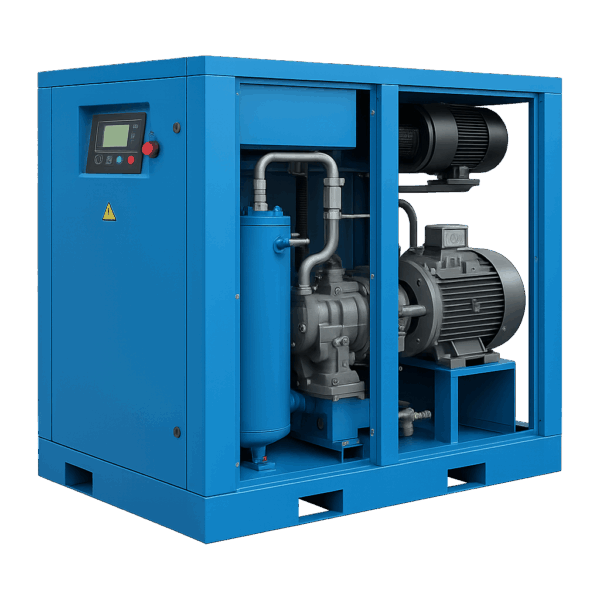
Air compressor oil is used to lubricate both the working parts and the pressurized spaces in a compressor. The purpose of the lubricant in the pressurized section is not only to reduce friction and wear but also to improve sealing of the pressurized spaces and to provide cooling. For Reciprocating Compressors a lubricant is required for the bearings, pistons, rings, cylinders and valves that has enough antiwear additives and suitable viscosity .The pistons and valves reach temperatures of 2200C to 3000C and the oil film on the surfaces of these components must not form soft and hard carbon. Good demulsibility properties are also necessary to aide water/oil separation as the oil containing air is cooled and the water vapor condenses.
In case of screw compressors that are either geared or non-geared type require good lubrication of the rotors as well as the bearings and gears and the oil must have excellent resistance to oxidation , low foam , good air release and antiwear characteristics. Low foam and good air release are also important otherwise excessive foam will form in the receiver and significantly increase oil carry over.
Air Dry Alkyd Top Coat
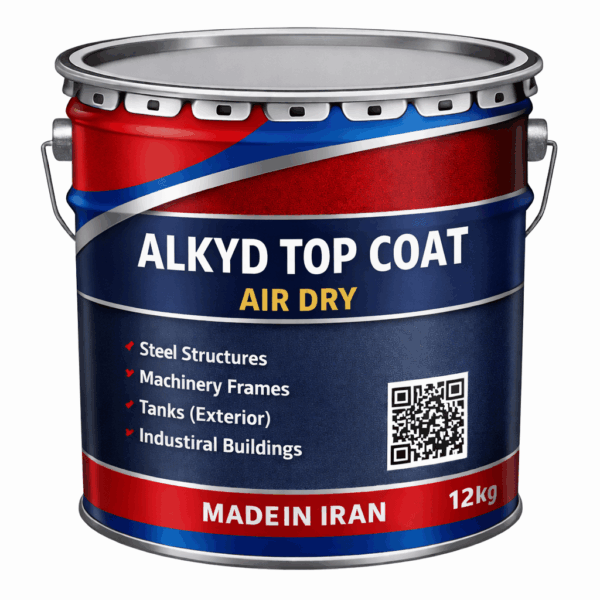
It provides a smooth, attractive finish with reliable surface protection. Air dry alkyd top coats are widely used for general industrial coating systems. And from a technical perspective, air dry oil alkyd top coat is formulated using high-quality oil-modified alkyd resins that offer good adhesion and consistent drying under normal atmospheric conditions. The cured film delivers satisfactory resistance to moisture, atmospheric exposure, and mild industrial environments. It provides balanced hardness and flexibility, allowing the coating to withstand normal mechanical stress without cracking. Good flow and leveling properties ensure uniform finishes when applied by brush, roller, or spray. The coating is compatible with common alkyd and suitable primer systems, supporting easy recoating and maintenance.
Air dry alkyd top coats are commonly applied on steel structures, machinery, equipment frames, agricultural tools, fences, railings, and general maintenance projects. They perform well in indoor and outdoor environments with mild to moderate exposure conditions. The coating helps reduce application costs and simplifies repair work. It allows easy touch-up and refurbishment without complex curing requirements. Available in a wide range of colors and gloss levels, air dry oil alkyd top coats offer a dependable and economical solution for industrial and commercial finishing needs.
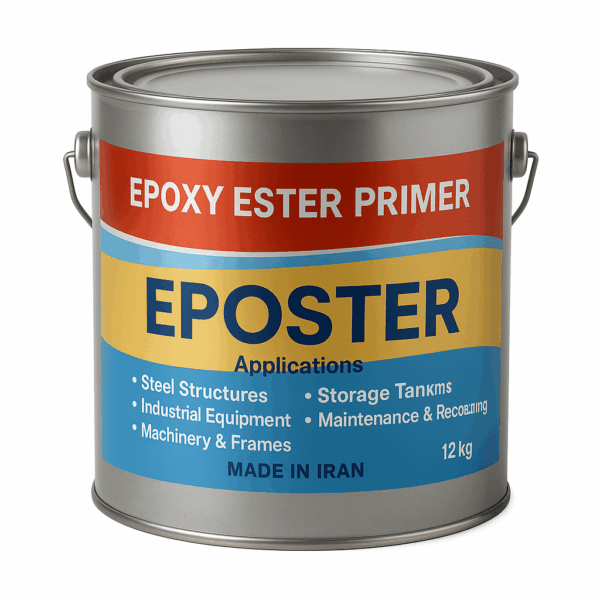
Air Dry Epoxy Ester Primer
Epoxy Ester Primers are usually supplied as single-pack (one-component) systems and are applied on structural steel, machinery, storage tanks (external surfaces), pipelines, marine structures, agricultural equipment, and general industrial steelwork. Key advantages include good corrosion resistance, excellent adhesion to properly prepared steel, faster drying compared to conventional epoxies, and easy application by brush, roller, or spray. Typical properties include good surface wetting, smooth film formation, moderate chemical and moisture resistance, and good compatibility with alkyd, epoxy, and polyurethane topcoats.
Epoxy Ester Primers are available in standard industrial packaging such as 1 kg, 5 kg, 10 kg, 12 kg, and 20 kg metal pails, as well as 200 kg drums for high-volume industrial use. These primers are commonly selected for maintenance painting, fabrication shops, and infrastructure projects due to their balanced performance, simple application, and economic pricing. Epoxy Ester Primers offer a reliable solution for projects requiring practical corrosion protection with reduced application complexity.
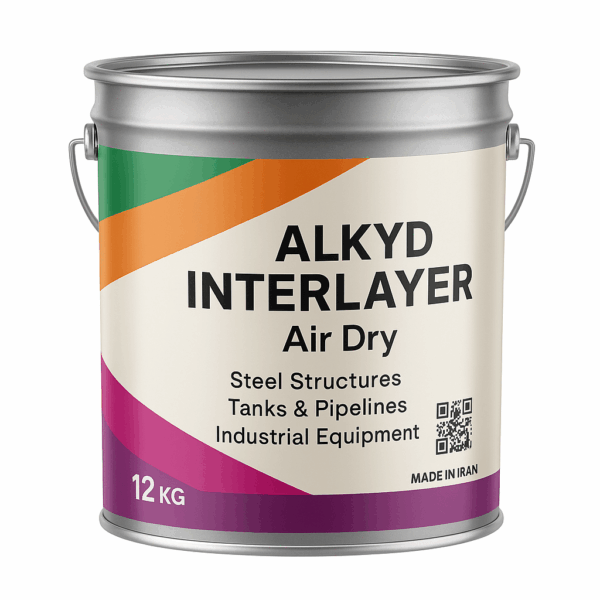
Air Drying Alkyd Interlayer
Air Drying Alkyd Interlayer paints ,from a technical standpoint, are available in standard alkyd interlayers, MIO (Micaceous Iron Oxide) alkyd interlayers, and fast-drying or modified alkyd grades to suit different environmental conditions. Typical applications include structural steel, workshop-fabricated steel, storage tanks (external surfaces), pipelines (above ground), industrial machinery, metal frameworks, and maintenance repainting projects. The main ingredients generally include alkyd resins, organic solvents, iron oxide or MIO pigments, anti-corrosive additives, and metallic driers such as cobalt and calcium. Key advantages include easy brush, roller, or spray application, good adhesion to alkyd and compatible epoxy primers, smooth film formation, and good compatibility with alkyd and synthetic enamel topcoats.
In terms of performance properties, Air Dry Alkyd Interlayer paints offer moderate corrosion protection, uniform film build, good flexibility, and acceptable durability in low to medium corrosive environments (C2–C3). They help improve overall coating system integrity while keeping application and material costs low. Commercially, these paints are supplied as single-pack systems in 1 kg, 5 kg, 10 kg, 12 kg, and 20–25 kg metal pails, as well as 200 kg drums for industrial use. Air Dry Alkyd Interlayer paints remain a practical and widely used solution for cost-sensitive industrial coating systems.
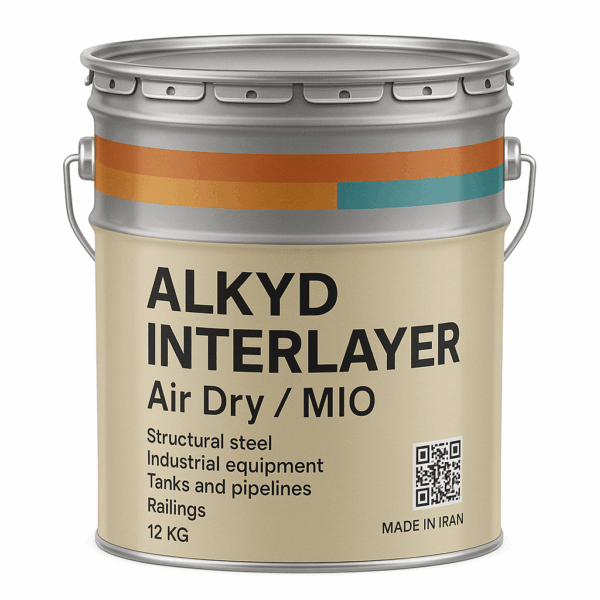
Air Drying MIO Alkyd Interlayer
Air Dry MIO Alkyd Interlayer paints are available in standard MIO alkyd grades, high-build MIO alkyd interlayers, and fast-drying modified alkyd formulations. They are commonly applied on structural steel, bridges, storage tanks (external surfaces), above-ground pipelines, industrial machinery, metal frameworks, and infrastructure steelwork. The main ingredients typically include alkyd resins, micaceous iron oxide pigments, anti-corrosive fillers, organic solvents, and metal driers such as cobalt and calcium. Key advantages include good adhesion to alkyd and compatible epoxy primers, improved barrier effect from MIO lamellar pigments, smooth film formation, easy brush, roller, or spray application, and good compatibility with alkyd and synthetic enamel topcoats.
Air Drying MIO Alkyd Interlayer paints provide moderate to enhanced corrosion protection, uniform film build, good flexibility, and improved durability in low to medium corrosive environments (C2–C3). The MIO content helps reduce moisture and oxygen permeability, extending coating system life. These interlayer paints are supplied as single-pack systems in 1 kg, 5 kg, 10 kg, 12 kg, and 20–25 kg metal pails, as well as 200 kg drums for large-scale use. Air Dry MIO Alkyd Interlayer paints remain a reliable and economical solution for infrastructure and industrial maintenance coating systems.