

 Arabic
shop
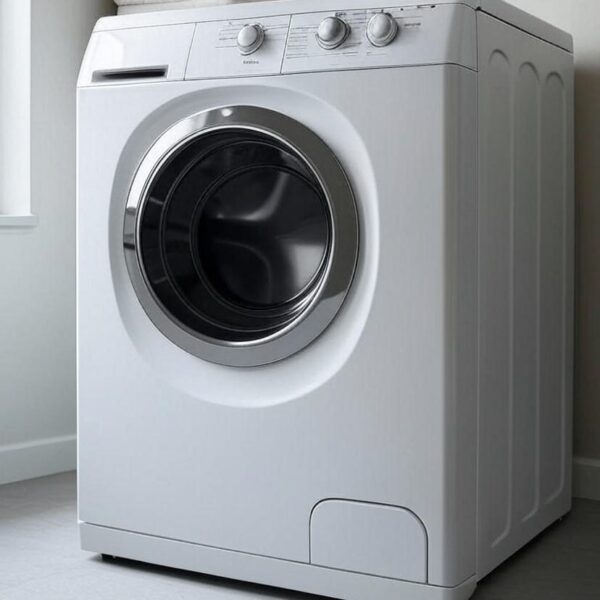
Cloth Washing Machine , All-In-One
Combo washer/dryers may have similar dimensions to a front load washer, but there are also more space-efficient versions available. An all-in-one washer and dryer combo is Space-efficient design that combines two appliances into one , Compact models are available and No need to transfer loads from one machine to another
How it works
- The washer and dryer functions are performed in the same sealed drum
- The machine can be programmed to perform both functions in tandem or individually
- Some models have a “dry only” or “wash only” cycle
Drying Types
- Vented: Uses a heating element to dry clothes like a traditional dryer
- Ventless: Uses a condenser to remove moisture
Features
- Intelligent sensors
- Customized wash and dry cycles
- Delicates, timed drying, and extra rinse settings
- Remote start through a smartphone app
- Delayed start
- Self-cleaning cycles
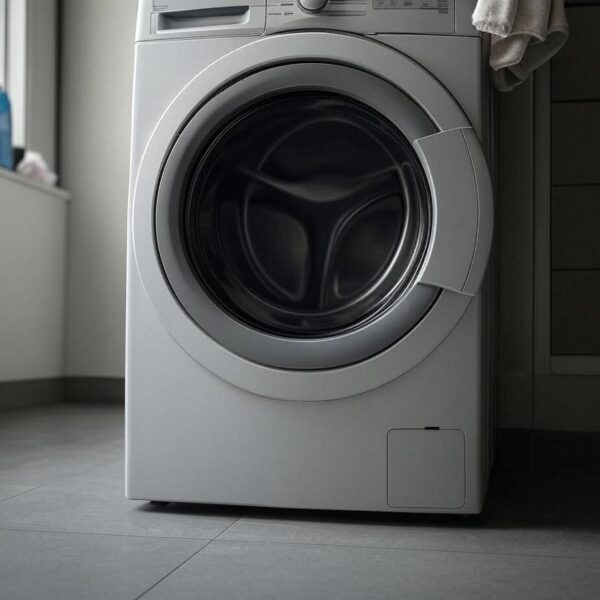
Cloth Washing Machine , Front Load
Front load washing machines come in a range of capacities from compact models that offer around 1.9 cu. ft. to large capacity 5 cu. ft. models, and beyond. Standard-sized front load washing machines are usually around 40 inches high, 28 inches wide and 31-34 inches deep, but this can vary by make and model.
Pros of front load washing machines:
- Wash action provides a thorough but gentle clean
- Typically uses less water per load compared to top load washer models
- Higher spin speeds can help wick away moisture and lead to shorter dry times
- Available in energy efficient and ENERGY STAR models
- Available in compact or large capacity models
- Great for small loads: Because front-load machines don’t rely on clothes rubbing each other to get clean, small loads do well.
- Gentle & quiet: They are known for being easier on your clothes and quieter than top-loading machines.
A front-load washing machine has a large drum and doesn’t have an agitator or impeller taking up space. Instead, it rotates clothes in different directions using a small amount of water instead of fully immersing your clothes.

Cloth Washing Machine , Top Load
top load washing machines are available with capacities ranging from around 1.5 to 5.5 cu. ft. In general, standard top load washing machines are about 40 inches high, 28 inches wide and 31-34 inches deep, but may vary by make and model.
Pros of top load impeller washing machines:
- Wash action provides a thorough, gentle clean
- Allows control over water level with a Deep Water Wash Option on some models
- Extra room in the wash basket for bulky items
- More large capacity options are usually available
- Available in energy efficient and Energy Star certified on select models
- Models generally have a lower price point vs front load washers
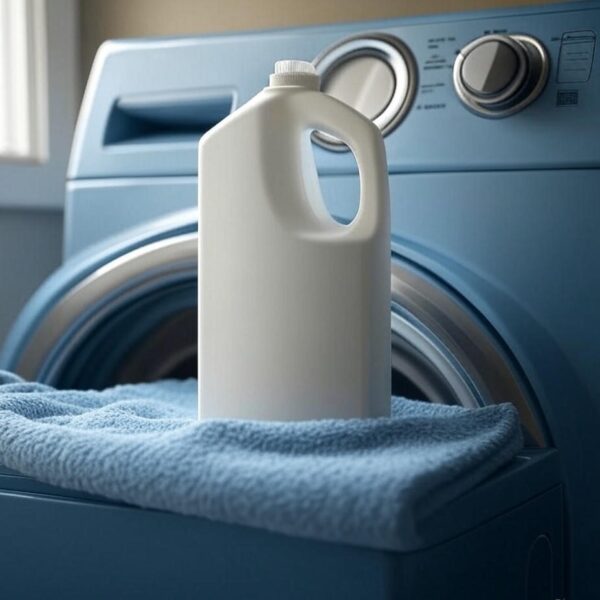
Cloths & Fabric Liquid Softener
Fabric softener is added to the washing machine during the rinse cycle of the laundry process. It coats the fibers of your fabrics with a layer of softening agents, leaving your clothes feeling smooth, fluffy, and smelling amazing.
High-efficiency fabric softeners are also available ,High-efficiency fabric softener is specifically formulated for use in high-efficiency washing machines. These machines use less water and energy than traditional washers, so high-efficiency fabric softeners are designed to be more concentrated, ensuring that you get the same softening and freshening benefits with less product.
Fabric conditioner and fabric softener are same products that help make your clothes feel noticeably softer, especially on laundry items like sheets and linens.
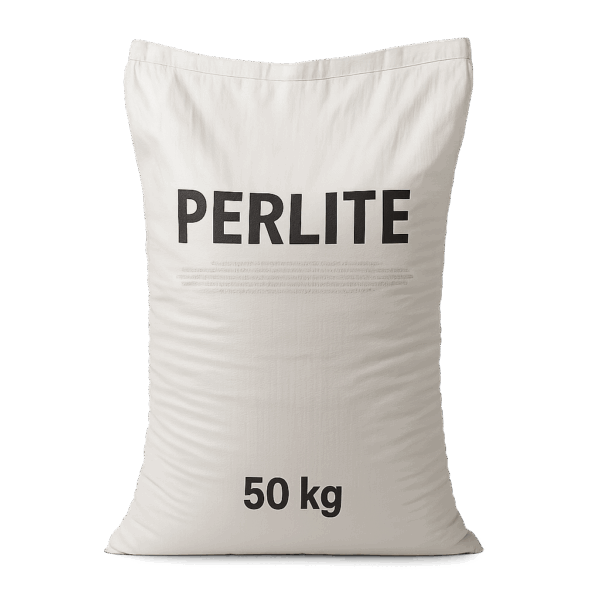
Coarse Perlite
Coarse perlite or Perlite Grade # 3 ranges in size between 3/16 and 3/64”, with a 34% water holding capacity. It is used to amend raised beds, garden beds, or dense soils with high water-holding capacity. But it is more versatile than super coarse perlite. Coarse perlite can be used for potted plants, window boxes, and general garden use. Considered an all-purpose grade it is a good balance of drainage and water holding capacity. Due to its size, it doesn’t blend well with garden soil but makes a great media for succulents and orchids.
Perlite advantages
- Its sterile nature makes it highly suitable for starting seeds. There is little risk of root rot or damping off.
- Naturally contains minerals needed for plant growth.
- A non-toxic substance that doesn’t require rinsing like some other growing media does prior to use.
- Neutral pH doesn’t need to be adjusted, nor will it adjust the overall pH when mixed with other components.
- It can be used alone or mixed with other media to create potting mixes.
- Great for seedling germination or plant propagation as the particles allow for plants to be pulled from the perlite without damage to the root systems when it’s time for transplanting.
- Reusable year after year since it doesn’t decompose.
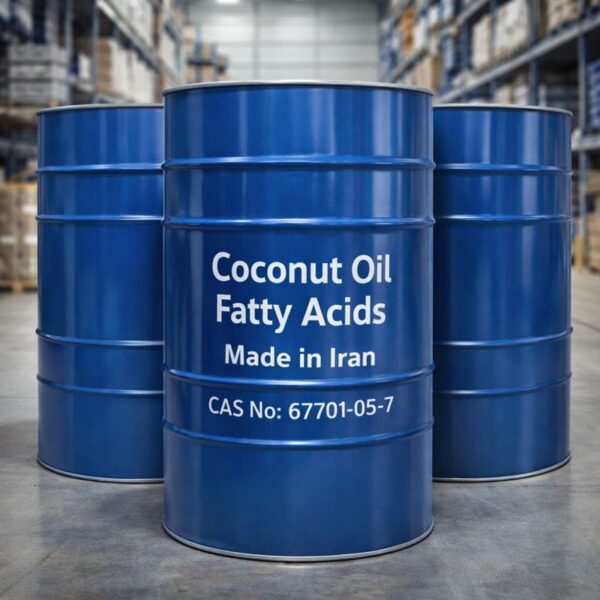
Coconut Oil Fatty Acids
Their clean profile makes them suitable for both industrial and consumer-focused formulations, Coconut Oil Fatty Acids are available in refined, distilled, and technical grades, including lauric-rich and fractionated cuts tailored to specific applications. Key features include strong foaming performance, excellent detergency, good emulsifying properties, and low color and odor. Typical technical specifications include acid value, iodine value, saponification value, moisture content, and fatty acid composition, ensuring uniform quality and predictable processing behavior. These fatty acids perform efficiently in saponification, esterification, and surfactant production processes. Their biodegradable and renewable nature supports compliance with environmental and regulatory standards. Packaging options include drums, IBCs, flexitanks, and bulk tankers for efficient global supply.
Coconut Oil Fatty Acids are widely used in soaps and detergents, surfactants, cosmetics and personal care products, household and industrial cleaners, lubricants, rubber and plastic additives, and chemical intermediates. They are especially valued in formulations requiring high foaming, mildness, and fast biodegradability. With stable market availability, versatile functionality, and strong performance characteristics, Coconut Oil Fatty Acids remain a key ingredient for manufacturers seeking reliable, natural, and high-performance fatty acid solutions.

Colby Cheese
Colby Cheese , while it may look like cheddar, has a softer texture and less tangy taste. sometimes it’s blended with other different cheeses, like Monterey Jack, to make Colby Jack.
Colby Cheese, originally called Colby Swiss Cheddar, is a semi-hard American Cheese prepared from cow’s milk. it is compared with Cheddar cheese since both are dyed to appear orange, even though they taste radically different.
Colby’s gentle flavour and texture give a new definition to grilled sandwiches, hamburgers, fajitas, rye bread or apples and pears.
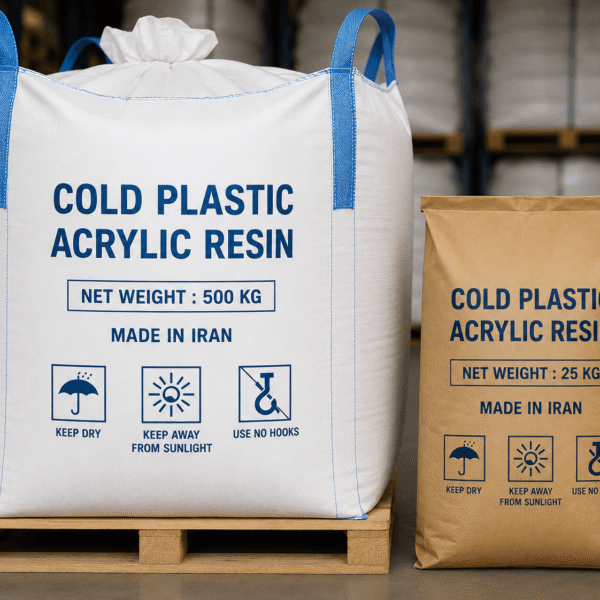
Cold Plastic Acrylic Resin
It is primarily used in cold plastic road marking systems, anti-skid surfaces, decorative and industrial flooring, pedestrian crossings, airport markings, bike lanes, and safety coatings. The system typically consists of acrylic resin, mineral fillers, pigments, additives, and a peroxide-based hardener or catalyst that initiates curing. Key technical properties include high impact and abrasion resistance, strong bonding to asphalt and concrete, excellent UV and chemical resistance, non-yellowing performance, and high retro-reflectivity when combined with glass beads. The material cures quickly without heating, allowing for fast application and minimal traffic disruption.
Cold Plastic Acrylic Resin is supplied in commercial packages suitable for small to large projects, including 20–25 kg pails, multi-component kits with separate hardener packs, 200 kg drums, and bulk supply for large infrastructure works. It offers consistent quality, long shelf life when properly stored, and reliable performance across a wide temperature range. With its durability, rapid curing, and compliance with international road marking standards, Cold Plastic Acrylic Resin is an efficient and cost-effective solution for modern road safety, industrial flooring, and high-performance surface coating applications worldwide.
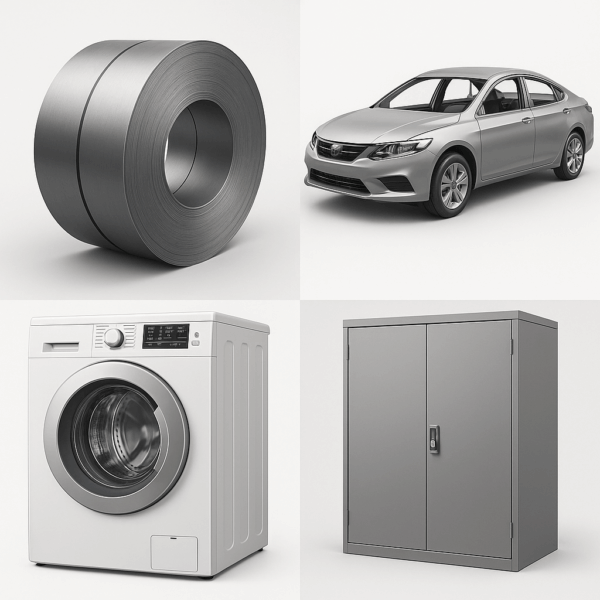
Cold rolled Steel Coil
Cold-rolled steel is low-carbon hot-rolled steel that has been rolled at room temperature by applying plastic deformation in cold – rolling mill . With such processing, the product can have more accurate dimensional tolerances, better surface quality and improved mechanical properties as compared with hot-rolled coils. In the construction world, Cold Rolled Steel is commonly used to produce structures like beams, structures, columns, and sections. It also is frequently used in the construction of steel sheds, industrial buildings, and garages. One of the most favored cold-rolled steel grades is ASTM A1008 Carbon Steel which is widely used in industrial as well as domestic applications.
Cold rolled steel is also used in various industries, such as automotive and appliance manufacturing. The thickness typically ranges from 0.12mm to 4.00mm. The width of cold rolled steel coils can vary, but is often within the range of 600mm to 2100mm. The inner diameter of cold rolled steel coils is often 508mm or 610mm. other sizes are available according the customer request.

Color Masterbatch
Color Masterbatches are made of granules combined with polymers, additives, and various color pigments and make it possible to reduce manufacturing costs effectively while maintaining the desired hue and color intensity throughout the manufacturing cycle , colored plastic masterbatches are necessary for strengthening and extending the life of the plastic.
high-quality Plastic color masterbatches must be good in color dispersion , natural transparent . transparency in color masterbatches helps to have plastic colors that look vivid, rich, consistent, and uniform. Even when exposed to light, natural transparency helps maintain the depth and richness of the colors. Opacity must be somehow that boost the color’s vibrancy and keeps it from fading or blending together when exposed to various environments. High stability and resistance to heat is another factor that must be considered . Heat resistance guarantees that the colors hold up even in very hot conditions. All of these characteristics are necessary to effectively create high-quality color masterbatches.
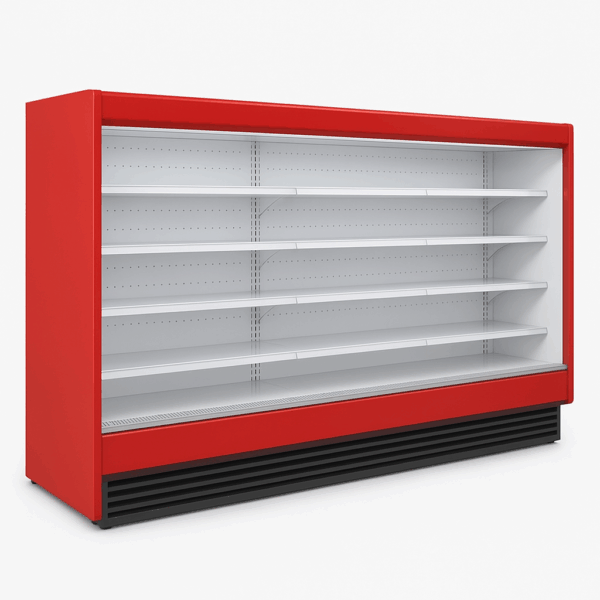
Commercial Refrigerators , Air Curtain
These units are perfect for retail environments, such as supermarkets and convenience stores, where frequent access to products is necessary. They utilize a curtain of air to create a barrier that minimizes temperature fluctuations, ensuring that food products remain fresh and appealing and also air curtains provide a long-term solution to reducing supermarket operational costs while supporting the in-store experience and sustainability goals.
There are several types of air curtain refrigerators available, catering to different business needs and environments. Each type is designed to offer specific advantages based on usage. Width , depth and height of such door less refrigerators can be customized according customer requests

Commercial Refrigerators , Horizontal Showcase
Horizontal Showcase refrigerators come in various types, each tailored to suit specific needs and environments. Here are some of the most common types:
- Glass Top Display Refrigerators: Perfect for displaying packaged goods, desserts, and drinks while allowing customers to view the contents easily.
- Ice Cream Freezers: Designed specifically for the storage and display of ice cream and frozen desserts, often with partitions for various flavors.
- Bakery Display Cases: Ideal for showcasing pastries and breads, typically featuring humidification systems to retain product freshness.
- Multi-Temperature Showcase Refrigerators: These versatile units can maintain different temperatures in various sections, allowing for a mix of products.
Their primary functions and key features include:
- Energy Efficiency: Many models are designed to minimize energy consumption without compromising cooling performance, helping businesses reduce operational costs.
- Adjustable Shelving: Flexible shelving options allow users to customize the internal layout to accommodate different product sizes and types.
- Glass Doors: Features like double-glazed or tempered glass doors help maintain temperature while providing full visibility of products.
- Temperature Range Control: Precise control settings ensure optimal humidity and temperature levels for a variety of perishable goods.