

 Arabic
shop

Chicken Egg
Chicken egg is not only an encapsulated product that meets all requirements for the developing embryo, but also a perfect foodstuff with diverse and balanced nutrients along with superior bioavailability for humans.
The whole raw and freshly laid eggs consist of water (76.1%), proteins (12.6%), lipids (9.5%), carbohydrates (0.7%), and ash (1.1%), which are specifically distributed along the shell, egg white, yolk, vitelline membrane, and chalazae, the different components of the egg. Large amounts of proteins are found in the egg white (10.9 g per 100 g) and in the egg yolk (15.9 g per 100 g), including the vitelline membrane, of which these values are slightly modified by the age of hens and their genetic background.
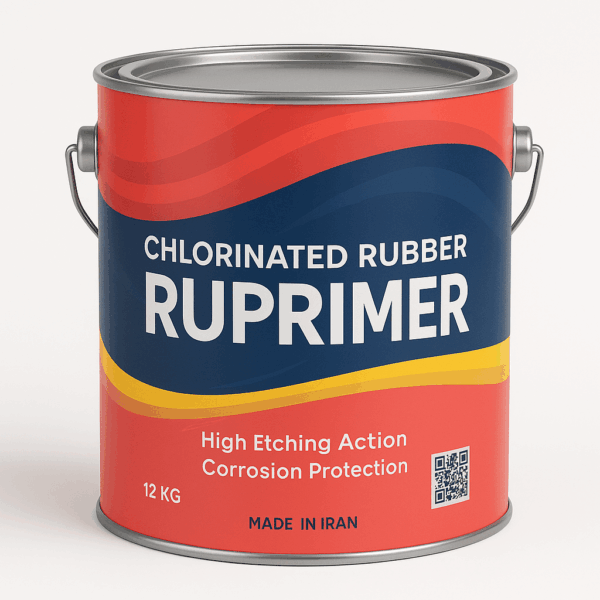
Chlorinated Rubber Primer
Chlorinated Rubber Primers are available as single-pack (one-component) systems and are commonly applied on steel structures, marine equipment, pipelines, storage tanks, bridges, swimming pools, water treatment facilities, and industrial machinery. Key advantages include rapid drying, good resistance to water, salts, and mild chemicals, easy application by brush, roller, or spray, and good compatibility with chlorinated rubber, acrylic, and certain epoxy topcoats. Typical properties include smooth film formation, good flexibility, moderate abrasion resistance, and suitability for low to medium corrosive environments.
Chlorinated Rubber Primers are supplied in standard packaging such as 1 kg, 5 kg, 10 kg, 12 kg, and 20 kg metal pails, as well as 200 kg drums for large-scale industrial use. These primers are widely selected for maintenance painting, marine works, and infrastructure projects due to their ease of use, short recoating time, and cost-effective performance. Chlorinated Rubber Primers provide a practical solution for projects requiring fast application and reliable surface protection.
Chlorine
Industrial Chlorine is recognized for its high reactivity, excellent antimicrobial performance, and ability to form a wide range of chlorine-based chemicals. It is extensively used in municipal water purification, wastewater treatment, swimming pool sanitation, paper bleaching, textile processing, PVC production, and manufacturing of hydrochloric acid, chlorinated solvents, and organic chemicals. Commercially available chlorine products include chlorine gas, liquid chlorine, calcium hypochlorite, sodium hypochlorite, and chlorine tablets, each designed for specific applications and industries.
Chlorine suppliers provide different grades and packaging options according to international industrial standards. Liquid chlorine is generally supplied in cylinders, drums, or ISO containers, while chlorine compounds are available in powder, granule, or tablet forms. High-purity chlorine is used in chemical and pharmaceutical industries, while industrial-grade chlorine is widely applied in water treatment and manufacturing sectors. Reliable sourcing of Chlorine requires experienced suppliers who can ensure quality, safety compliance, proper documentation, and stable supply for international B2B markets.

Chloroprene Based Adhesives
The selection of the grade of polychloroprene and the tackifier allows the adhesives formulator to design products having specific properties, such as long or short tack or open time, controlled development of ambient- and/or elevated-temperature bond strength, and ultimate peel and shear strength. The cured adhesives are generally resistant to heat, oxidation, water, solvents and other chemicals. Resins are also used in polychloroprene contact adhesives, the most common being the alkyl phenolic resins , terpene phenolic resins, rosin-modified phenolic resins, rosin esters, and hydrocarbon and coumarone resins .These substances have little effect on the final crystallizing of polychloroprene but improve adhesion , oxidative stability characteristics. adhesives based on chloroprene exhibit performance advantages in a wide variety of related applications where quick, high-strength, permanent bonds are needed. A significant advantage of contact adhesives is auto-adhesion, which results in an instant bond with sufficient green strength so that fixturing is unnecessary.
Excellent adhesive properties and formulating latitude at competitive prices vs. other adhesives technologies have contributed to the dominant position of polychloroprene solvent borne adhesives in many market segments. Polychloroprene based adhesives are used for bonding high-pressure laminates, automotive trim, roofing-membrane attachment, furniture, kitchen cabinets, custom display cabinets, interior and exterior panels, wall partitions, and many other applications where quick, high-strength, permanent bonds are needed, specially in she and leather crafting .

Chocolate Coated Biscuits
Chocolate Coated Biscuits are supplied in various commercial sizes and packaging formats according to customer requirements and export market standards. Standard retail packs are commonly available in 25 g, 50 g, 75 g, 100 g, 150 g, 200 g, and 300 g sizes, while family packs and wholesale cartons can be supplied in 500 g, 1 kg, and customized weights. Milk Chocolate Coated Biscuits are suitable for general retail consumption, supermarkets, and snack markets due to their balanced sweet flavor. Dark Chocolate Coated Biscuits are preferred by premium consumers looking for a stronger cocoa taste, while White Chocolate Coated Biscuits are used for specialty confectionery products. Filled Chocolate Biscuits are suitable for premium snack categories, gift packs, and luxury food collections. Industrial bulk packaging options are also available for hotels, restaurants, catering companies, and food manufacturers using biscuits as ingredients in desserts and confectionery products.
Export-quality Chocolate Coated Biscuits are manufactured according to international food safety standards with controlled specifications for appearance, moisture content, texture, chocolate coating percentage, flavor, and microbiological quality. The main advantages of Chocolate Coated Biscuits include excellent taste, attractive presentation, long shelf life, convenient packaging, easy transportation, high consumer demand, and suitability for global markets. These biscuits are widely used as ready-to-eat snacks, breakfast accompaniments, school snacks, office snacks, travel foods, dessert ingredients, hotel and catering products, and private label confectionery items. Manufacturers can provide customized formulations, chocolate types, packaging designs, and private label solutions for international buyers seeking reliable wholesale Chocolate Coated Biscuit suppliers.

Chrome Effect Spray Paint
Chrome Effect Spray Paint is a high-quality decorative coating product designed to create a bright metallic chrome finish on different surfaces, providing an attractive mirror-like appearance similar to polished metal. It is also commercially known as Chrome Spray Paint, Mirror Effect Spray Paint, Metallic Chrome Paint, Silver Chrome Coating Spray, Reflective Chrome Aerosol Paint, and Decorative Chrome Finish Paint. This aerosol-based coating contains specially formulated metallic pigments that produce a smooth, glossy, and highly reflective surface after application. Chrome Effect Spray Paint is available in different formulations such as general-purpose grade, automotive grade, plastic adhesion grade, and industrial decorative grade, each developed for specific applications. Standard packaging sizes include 100 ml, 200 ml, 300 ml, 400 ml, 450 ml, and 500 ml aerosol cans, while industrial and wholesale export packages are commonly supplied in cartons containing multiple cans according to customer requirements.
Chrome Effect Spray Paint is widely exported for use in automotive, construction, furniture, household decoration, advertising, handicraft, and industrial finishing sectors. The product provides advantages including rapid drying time, easy application, excellent surface coverage, smooth metallic appearance, resistance to minor abrasion, and cost-effective replacement for traditional chrome plating processes in decorative applications. High-quality Chrome Effect Spray Paint can be supplied according to international standards with customized colors, can designs, labels, and packaging options for wholesale buyers. Manufacturers producing export-quality chrome aerosol paint focus on consistent viscosity, pigment dispersion, spray performance, and long shelf life to meet global market requirements.

Chromite Ore
Chromite Ore is widely used in metallurgical industries for ferrochrome production, which is the essential alloying element in stainless steel manufacturing. High-grade chromite concentrates are preferred for producing low carbon ferrochrome, high carbon ferrochrome, and charge chrome. In addition to metallurgy, chromite is used in refractory applications due to its high melting point and resistance to heat, chemical attack, and abrasion. Foundry-grade chromite sand is also used for producing high-quality casting molds and cores in steel and iron foundries.
Commercial Chromite Ore is available in various forms including raw chromite lumps, chromite concentrate, chromite sand, and refractory-grade chromite. Different grades are selected according to industrial requirements, including stainless steel production, foundry operations, refractory bricks, and chemical applications. Suppliers usually provide chromite ore with controlled specifications such as Cr₂O₃ content, silica level, moisture percentage, and sizing. For international B2B trade, reliable sourcing of Chromite Ore requires evaluation of mineral quality, laboratory analysis, export capability, and consistent supply capacity.
Chromite Ore offers several important advantages including high chromium recovery, excellent resistance to oxidation, superior heat stability, and compatibility with advanced metallurgical processes. It is traded globally in bulk quantities and supplied in different packaging options such as bulk shipment, jumbo bags, and customized industrial packaging. Available commercial types include metallurgical grade chromite, refractory grade chromite, foundry grade chromite sand, and chemical grade chromite concentrate. Choosing the right chromite specification helps industries optimize production efficiency and final product quality.

Circulation Oil
Circulation Oil is available in several viscosity grades and formulation levels to meet the requirements of different industrial lubrication systems, with commonly supplied grades including ISO VG 32, ISO VG 46, ISO VG 68, ISO VG 100, ISO VG 150, and higher-viscosity grades for applications requiring increased film strength. Depending on the manufacturer and application, products may be offered as conventional mineral circulation oil, anti-rust and anti-oxidation circulating oil, turbine-type circulation oil, high-temperature circulation oil, or specialized formulations developed for demanding industrial systems. Key technical properties normally considered when selecting Circulation Oil include kinematic viscosity, viscosity index, flash point, pour point, oxidation stability, demulsibility, rust protection, foaming tendency, thermal stability, and resistance to sludge formation. A suitable Circulation Oil should provide dependable lubrication, rapid circulation, good heat transfer, excellent air-release behavior, and effective protection against wear and corrosion while maintaining its physical and chemical properties throughout the recommended operating period. Selection should always be based on equipment manufacturer recommendations, operating temperature, system design, load conditions, circulation rate, and the required ISO viscosity grade.
Circulation Oil is widely applied in industrial plants and manufacturing facilities for the lubrication of continuously operating bearings, gearboxes, hydraulic or mechanical circulation systems, pumps, compressors, fans, blowers, machine tools, paper machinery, textile equipment, steel-processing machinery, plastic-processing equipment, and other systems requiring a stable circulating lubricant. In many applications, its low tendency to form deposits and its ability to separate water efficiently help maintain clean oil systems and reduce maintenance requirements, while its anti-oxidation and rust-preventive properties contribute to longer equipment service life and more reliable operation. Commercial packaging is available in practical formats according to customer requirements and consumption volume, including small industrial containers, 18–20 kg pails, 180–208 kg steel drums, and bulk delivery in IBC tanks or flexitanks where suitable for the product specification and transportation method. For industrial buyers, Circulation Oil can be supplied according to agreed viscosity grade, technical specification, formulation, packaging format, and quality requirements, making it suitable for both routine industrial lubrication and continuous-duty applications where stable performance and dependable oil circulation are critical.
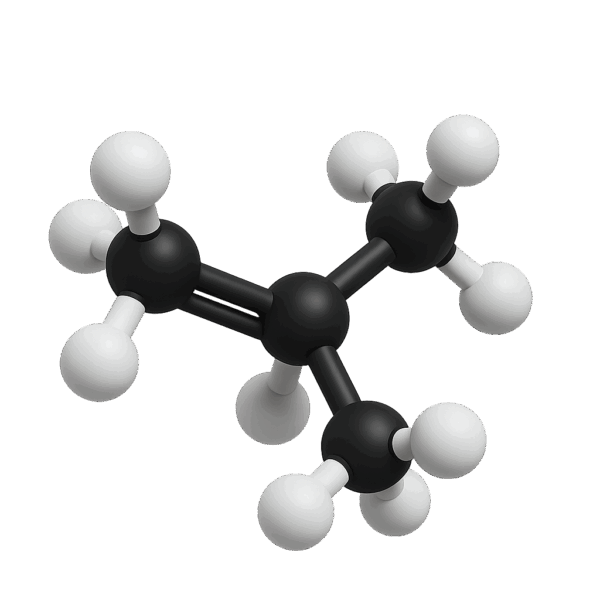
Cis-2-Butene
Cis-2-Butene is commercially used in the production of methyl ethyl ketone (MEK) through controlled oxidation processes and can serve as a feedstock for other downstream C4 chemicals. It is also used in olefin conversion, alkylation, metathesis, polymer-related processes, and specialty chemical manufacturing where a reactive internal olefin is required. Available commercial types may include standard industrial grade cis-2-butene, high-purity grade cis-2-butene, and customized specifications based on hydrocarbon composition, purity, sulfur content, moisture, and other trace impurities. Standard industrial grades are suitable for general petrochemical and chemical processing, while high-purity grades are preferred for applications where feedstock consistency and low impurity levels are critical. Depending on the customer’s process requirements, suppliers can provide cis-2-butene in specified purity ranges and according to agreed technical specifications. Its advantages include good reactivity, predictable chemical behavior, suitability as a C4 feedstock, efficient integration into petrochemical processes, and compatibility with a range of downstream chemical production systems.
For industrial procurement, Cis-2-Butene can be supplied according to required purity, composition, packaging, and transportation conditions. Packaging commonly includes pressurized cylinders, specialized gas containers, ISO tanks, or other approved pressure-rated containers depending on quantity, destination, and supplier specifications. With appropriate quality control, packaging, and logistics, Cis-2-Butene can provide a reliable C4 olefin feedstock for petrochemical manufacturers, chemical processors, and industrial production facilities.
Citric Acid
Citric Acid Uses
The citric acid that’s added to many food and drinks, medications, personal care products, and cleaning products is artificially manufactured. It’s used as an antimicrobial, antioxidant, flavoring agent, and more.
This type of citric acid is used in:
The food industry. Citric acid is often added to packaged food and drinks. It helps keep canned and jarred foods fresh over long periods. It can prevent some kinds of fresh-cut produce, such as sliced apples, from turning brown. Citric acid can also help thicken foods or give them a slightly sour flavor.
Alcohol production. Citric acid can balance out the acid in a food or drink. Winemakers sometimes add it to their products to improve the taste.
Drug manufacturing. Some creams include citric acid to help clear up skin infections. Other citric acid drugs that you take by mouth can lower the amount of acid in your urine
Personal care products. When manufacturers mix citric acid with other ingredients, they can form a compound called “alpha hydroxy acid” that helps smooth your skin. It’s also in some cosmetics and toiletries, such as lipstick, hair spray, and deodorant, to help them last longer.
Household cleaners: Because citric acid can eat away at hard water buildup, you’ll often see it in dishwasher detergent. Other household cleaners also include it as an ingredient since it can help remove stains and odors and also it is a water softener
Disinfectants and cleaning products: Since citric acid kills some types of bacteria and viruses, you’ll find it in insect sprays, products that kill fungus or algae, hand sanitizers.

Clay Kraft Liner Paper
The core of the paper is Kraft paper, known for its strength and durability, made from virgin wood pulp and CCK can be found with different finishes, such as a matte finish for packaging or a glossy finish for printing. Clay Coating is a layer of clay is applied to the Kraft paper, typically on one side (C1S) for printing purposes, but it can also be coated on both sides (C2S).
The clay coating provides a smooth, white surface for printing, enhancing the print quality of logos, artwork, and text. It also improves the paper’s resistance to moisture and wear, making it suitable for packaging and labeling applications where these properties are important.

Clear Coat Powder Coating
Clear Coat Powder Coating is formulated with high-purity polyester resins, advanced curing agents, flow modifiers, leveling additives, UV absorbers, HALS stabilizers, anti-yellowing agents, and anti-scratch enhancers that provide an ultra-smooth transparent film with excellent adhesion and long-term color preservation. It is available in multiple finishes including high-gloss, semi-gloss, matte, ultra-matte, satin, and anti-scratch versions to support diverse design requirements. Clear Coat Powder Coating ensures outstanding clarity, chemical stability, and resistance to chipping, impact, solvents, stains, and outdoor degradation. It is widely used in automotive parts, alloy wheels, architectural aluminum, furniture hardware, industrial machinery, lighting fixtures, consumer electronics, bicycle frames, and premium decorative components.