

 Arabic
shop
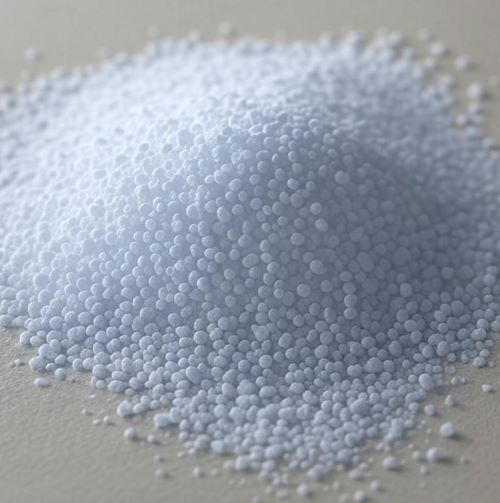
Calcium Hypochlorite
Calcium hypochlorite is a white solid that contains 65%-70% available “Pure” samples have 99.2% active chlorine that dissolves easily in water. Calcium hypochlorite is very stable and can be stored for an extended period of time. Calcium hypochlorite is a corrosive material with a strong odor.
APPLICATION & USAGE
- Water Treatment: Calcium Hypochlorite is widely used as a disinfectant and sanitizer in water treatment, swimming pools, and wastewater treatment plants. It effectively kills bacteria, algae, and other microorganisms, making water safe for various applications.
- Bleaching Agent: It is utilized in the textile industry as a bleaching agent for fabrics, fibers, and paper products.
- Disinfectant: Calcium Hypochlorite is used for general disinfection purposes in various industries, including food processing, healthcare, and sanitation.
- Sterilization: In medical and laboratory settings, it is employed for the sterilization of equipment and surfaces.
- Other uses an be :
- Household Cleaning: In households, it is used as a household bleach for cleaning and disinfecting surfaces.
- Chemical Reagent: Calcium Hypochlorite is used as a chemical reagent in various chemical processes.
Synonyms
- Calcium hypochloride
- Hypochlorous acid, calcium salt
- Losantin
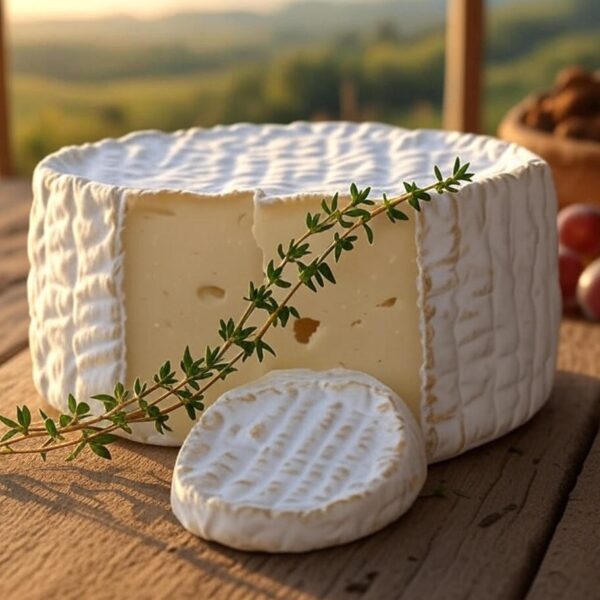
Camembert Cheese
Fresh camembert cheese is bland, hard and crumbly, but becomes smoother with a runny interior as it ages. It has a rich, buttery flavor with a rind that’s meant to be eaten.
Made from cow’s milk and it soft, artisan with texture: smooth and soft-ripened and pale yellow color.
Synonyms: Camembert Le Châtelain, Camembert ST Loup
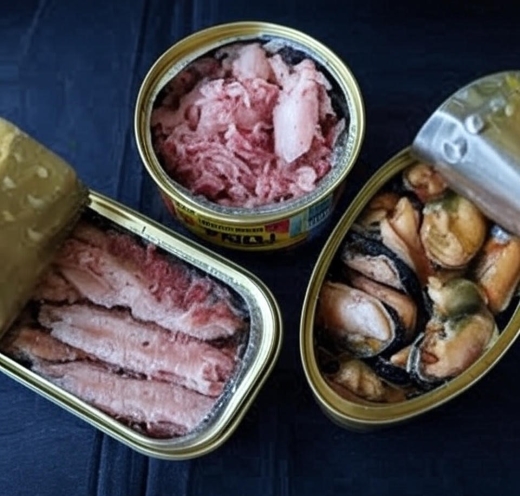
Canned Fishes
The most common commercial types include Canned Tuna Fish, Canned Skipjack Tuna, Canned Sardine Fish, Canned Mackerel, Canned Anchovy, and other processed seafood products. These products are available in different packaging options such as metal cans, easy-open cans, and customized private-label packaging according to buyer requirements.
Canned Iranian Fishes are known for their high protein content, rich omega-3 fatty acids, essential minerals, and excellent nutritional properties. They are suitable for retail food markets, supermarkets, restaurants, catering companies, food service industries, and export businesses. Depending on the fish species and customer requirements, canned fish can be supplied in vegetable oil, olive oil, brine, tomato sauce, chili sauce, or other customized formulations. Iranian canned seafood manufacturers offer different can sizes, including consumer packaging and industrial bulk options for international buyers. The products are produced with modern processing technologies to maintain flavor, texture, freshness, and extended shelf life without compromising quality.
Commercially available Canned Iranian Fishes include premium-grade tuna cans, standard tuna products, sardine cans, mackerel cans, and mixed seafood preparations. Export suppliers can provide products with different fish weights, drained weights, labeling designs, carton packaging, and OEM/private label services for global brands. Iranian canned fish products are exported to various countries in Asia, Europe, the Middle East, and Africa due to their reliability and competitive advantages. Buyers looking for Iranian canned seafood suppliers can source high-quality products through experienced trading companies , which connects international buyers with verified Iranian manufacturers and exporters.
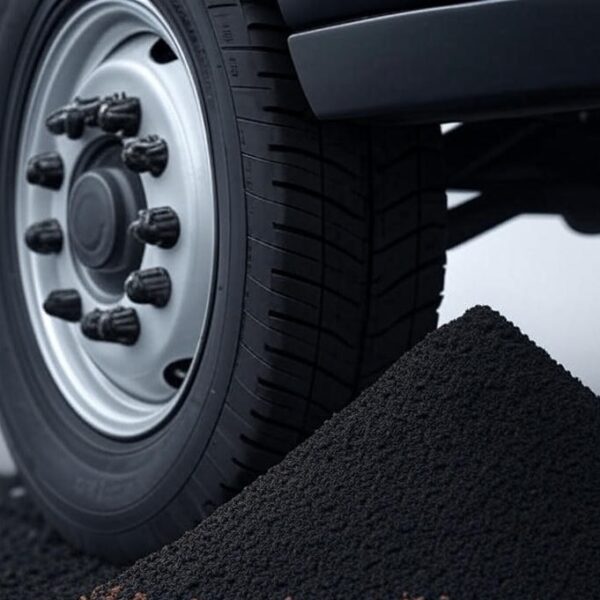
Carbon Black
Carbon Black provides outstanding mechanical reinforcement in rubber compounds, especially in tire manufacturing, conveyor belts, hoses, seals, and automotive rubber parts. It improves tensile strength, abrasion resistance, hardness, durability, and resistance against aging caused by sunlight and environmental conditions. In plastics, Carbon Black is used for producing black masterbatch, polyethylene pipes, packaging materials, automotive components, and industrial plastic products. Specialty Carbon Black grades are also widely used in conductive materials, lithium-ion batteries, electronic components, paints, coatings, and printing inks due to their superior electrical and optical properties.
Commercially available Carbon Black includes Reinforcing Grades, Semi-Reinforcing Grades, Conductive Carbon Black, Pigment Carbon Black, Rubber Carbon Black, and Specialty Grades. Different grades are classified according to particle size, structure level, surface area, and absorption characteristics such as ASTM N-series grades (N110, N220, N330, N550, N660, etc.). Carbon Black is supplied in powder, pellet, or granulated forms and is commonly packed in 20–25 kg bags, jumbo bags, or customized industrial packaging according to customer requirements. Reliable sourcing of high-quality Carbon Black requires selecting suppliers with consistent quality control, international export experience, and suitable technical documentation.
Carbon Steel Pipe
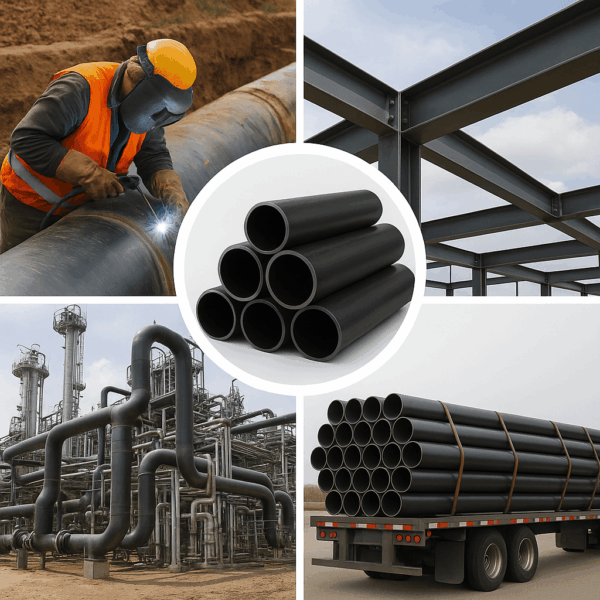
Carbon steel stands out for its ease of processing and ability to be molded into various shapes and sizes, complemented by excellent durability. This adaptability makes it particularly valuable in construction frameworks, where precise specifications are often needed alongside reliability. These pipes can be easily welded, making them versatile for various connections and fittings.
Types of Carbon Steel Pipes:
- Hot-rolled carbon steel pipes: Typically used for general purposes, boiler applications, and specialized uses.
- Cold-rolled (drawn) carbon steel pipes: Used for thin-walled pipes, alloy pipes, and special-shaped pipes.
Carbon steel pipes are known for their high strength and ability to withstand stress and pressure.
Common Uses:
- Transporting liquids and gases, both above and below ground.
- Industrial applications such as construction, infrastructure, shipping, and chemical processing.
- Low-pressure, medium-pressure, and high-pressure boiler applications.
- Petroleum and geological applications.
Carboxylated Styrene Butadiene Rubber-XSBR
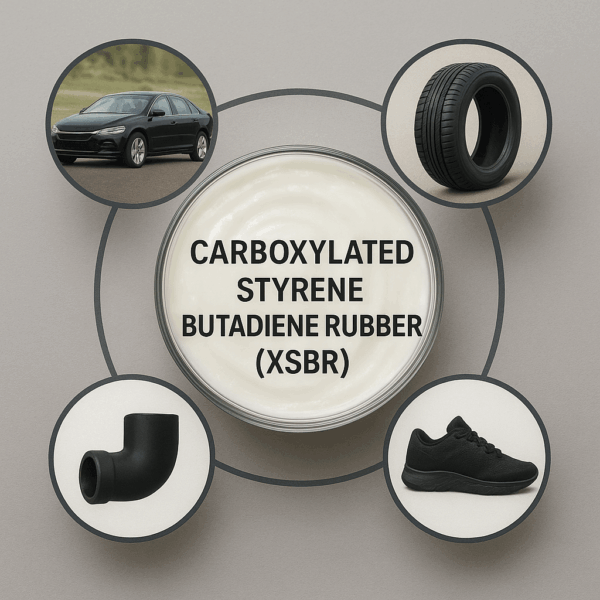
Carboxylated Styrene Butadiene Rubber is commercially available in different grades, including XSBR latex for paper coating, textile coating, carpet backing, adhesive production, and construction applications, as well as modified XSBR grades designed for enhanced adhesion, water resistance, and mechanical properties. Paper and board industries use XSBR latex as a high-performance binder to improve coating strength, printability, and surface quality. Textile manufacturers apply XSBR for fabric coating, impregnation, and finishing processes, while carpet industries utilize it for strong backing adhesion and improved durability. In addition, XSBR is used in adhesives, sealants, rubberized products, nonwoven materials, and specialty coatings where excellent bonding and flexibility are essential.
XSBR is supplied according to international commercial requirements with controlled specifications such as solid content, viscosity, pH value, coagulum level, and mechanical stability. The major advantages of Carboxylated Styrene Butadiene Rubber include excellent adhesion, superior tensile strength, high abrasion resistance, good aging performance, compatibility with various fillers and additives, and improved resistance to water and chemicals. Available packaging options include plastic drums, HDPE containers, IBC tanks, and bulk industrial containers suitable for domestic distribution and worldwide export shipments. As a reliable supplier network provider, Irancorps supports international buyers in sourcing high-quality XSBR from qualified Iranian manufacturers with competitive prices, export documentation, and professional logistics services.
Carpet Tile
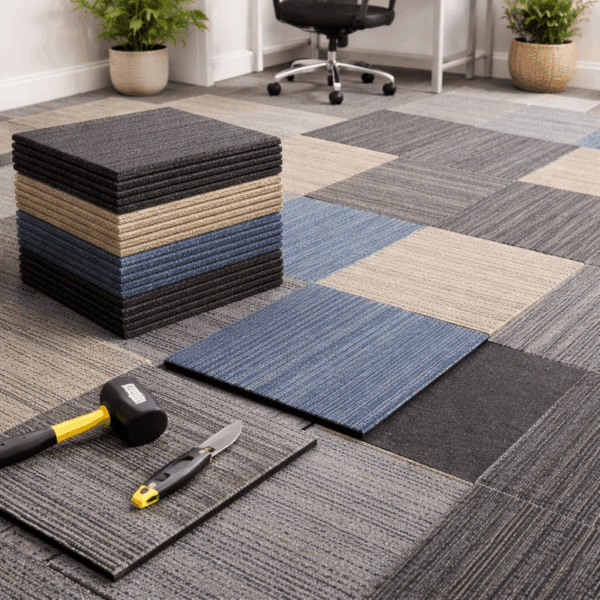
Commercially available Carpet Tile grades are mainly classified according to fiber type, pile structure, backing system, and intended application. Nylon Carpet Tiles are considered premium grade products with excellent durability, abrasion resistance, and stain resistance, making them suitable for high-traffic areas such as airports, offices, hotels, and commercial buildings. Polypropylene Carpet Tiles provide an economical solution with good moisture resistance and are commonly used in offices, temporary spaces, exhibition halls, and general commercial applications. Polyester Carpet Tiles offer attractive colors, softness, and good appearance retention, making them suitable for residential areas, hospitality projects, and decorative interiors. Wool Carpet Tiles represent a luxury grade with natural softness, superior comfort, fire resistance, and premium appearance, mainly used in executive offices, luxury hotels, and high-end interior projects. Carpet tiles are also available in different pile constructions including Loop Pile, Cut Pile, Patterned Pile, and Textured Pile according to design and performance requirements.
Carpet Tile provides many advantages including fast installation, reduced maintenance costs, excellent sound absorption, thermal insulation, design flexibility, and easy replacement of damaged sections without changing the entire floor. The modular structure allows manufacturers to produce different colors, patterns, and customized designs for architectural projects. High-quality Carpet Tiles are resistant to heavy foot traffic, wear, and daily use, while advanced backing technologies improve dimensional stability and moisture resistance. With growing demand for sustainable construction materials, many manufacturers also supply eco-friendly Carpet Tiles made from recycled fibers and recyclable backing systems. Due to their combination of functionality, durability, and aesthetic value, Carpet Tiles are an ideal flooring choice for global commercial and residential markets.
Carriage Bolts
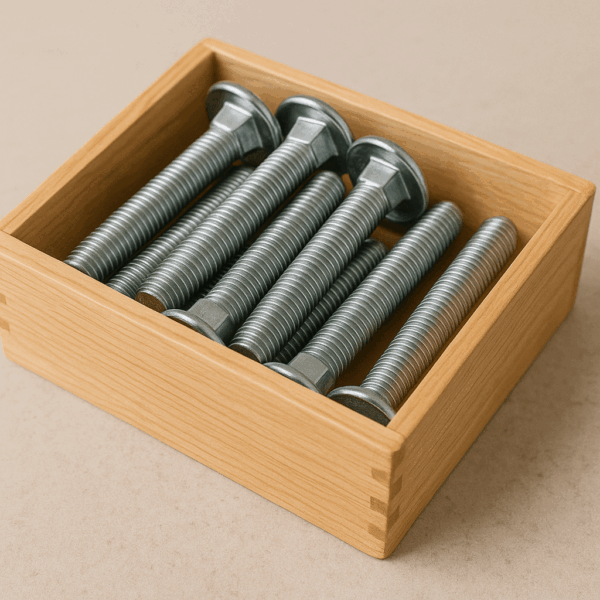
Carriage Bolts provide simple installation and versatility when assembling a variety of building materials, not only with hardened steel, but also for softer materials like wood & plastic. They are designed with a smooth, large diameter head that resists pull-through in softer materials and a square neck that prevents the bolt from turning when tightening the nut.
Carton Box
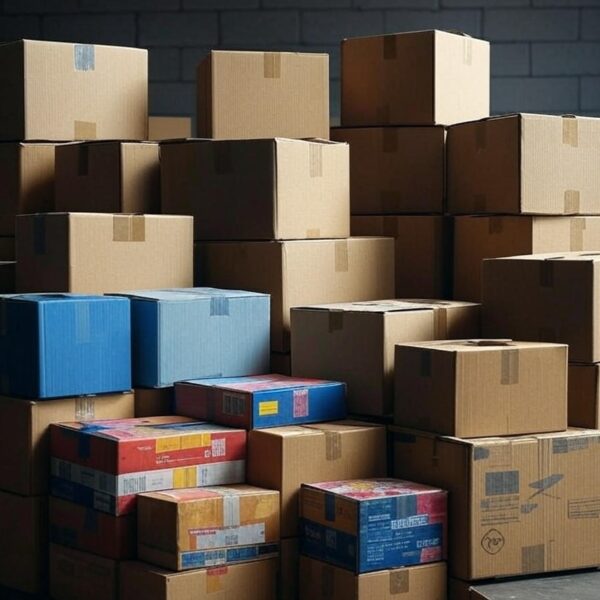
Carton Boxes are widely used in food and beverage packaging, pharmaceutical industries, chemical products, electronics, automotive components, household goods, agriculture, and e-commerce shipping applications. Their main features include high strength-to-weight ratio, excellent stacking performance, shock absorption capability, easy printing and branding options, and environmental sustainability. Corrugated carton boxes consist of liner paper and fluting layers that improve compression resistance and protect products against impact, vibration, and moisture during transportation. Various paper grades such as kraft liner, test liner, and recycled paper can be selected according to product sensitivity and packaging conditions.
Commercial carton boxes are available in different specifications including Regular Slotted Carton (RSC), Full Overlap Carton (FOL), Half Slotted Carton (HSC), telescopic cartons, customized die-cut boxes, printed retail cartons, and export-grade packaging boxes. These packaging solutions can be supplied with different printing methods, coatings, moisture resistance treatments, handles, partitions, and internal supports. For international B2B trade, carton boxes are commonly supplied in customized dimensions, bulk quantities, and OEM packaging formats according to buyer requirements. High-quality carton boxes help companies reduce logistics costs, improve product presentation, and ensure reliable supply chain packaging performance.
Cast Iron Hot Water Radiator
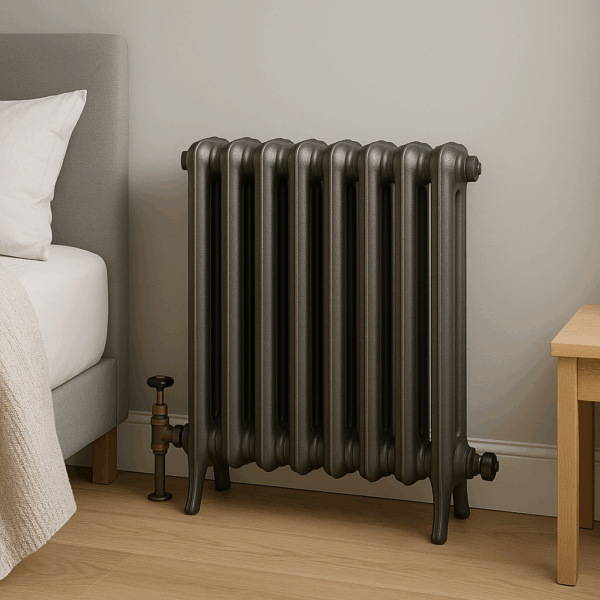
It’s even possible to disguise your home radiators in artful design features. A hugely adaptable option for adding to your central heating system, it’s clear why hot water radiators are such a widespread option. A cast iron radiator is a radiator made up of sections. Each section is a casted piece of iron by heating iron and pressing/casting it into a mold under pressure, which is formed to a specific design. It’s then left to cool down so it can take shape properly .The sections are slotted or welded together using radiator gaskets or radiator nipples as connectors.
Cast Iron Pipe & Fittings
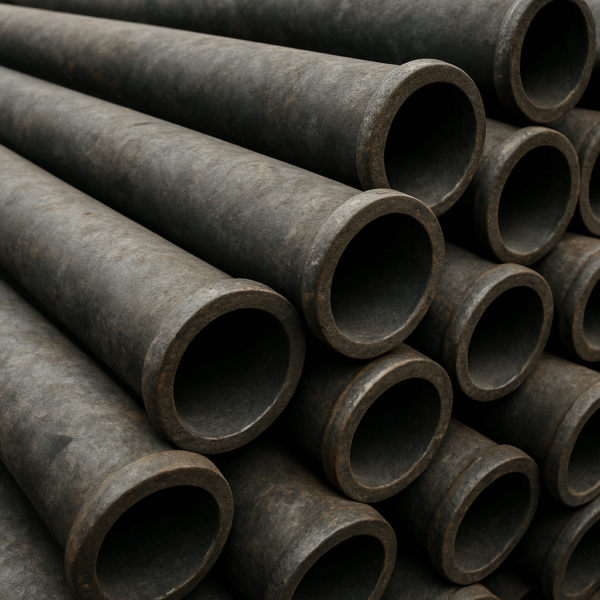
Commercially available Cast Iron Pipes include different types such as Ductile Cast Iron Pipes, Gray Cast Iron Pipes, and centrifugal cast iron pipes, each designed for specific applications. Ductile Iron Pipes are the most widely used modern type due to their superior tensile strength, flexibility, and impact resistance. These pipes are commonly supplied with different joint systems including push-on joints, mechanical joints, flanged joints, and restrained joints. Cast Iron Pipes are available in various diameters, pressure classes, wall thicknesses, and coating options such as cement mortar lining, epoxy coating, zinc coating, and bituminous protection to improve corrosion resistance and durability.
Cast Iron Pipe products are extensively used in potable water transmission, wastewater treatment plants, fire protection systems, irrigation networks, industrial fluid transportation, and underground utility projects. Their long operational lifespan, low maintenance requirements, excellent load-bearing capability, and compatibility with modern pipeline standards make them an economical choice for large-scale infrastructure developments. Export-quality Cast Iron Pipes are supplied according to international standards such as ISO, EN, and ASTM specifications and are available in different sizes and configurations to meet global construction and engineering requirements.
Cast Resin Dry Transformer (CRT)
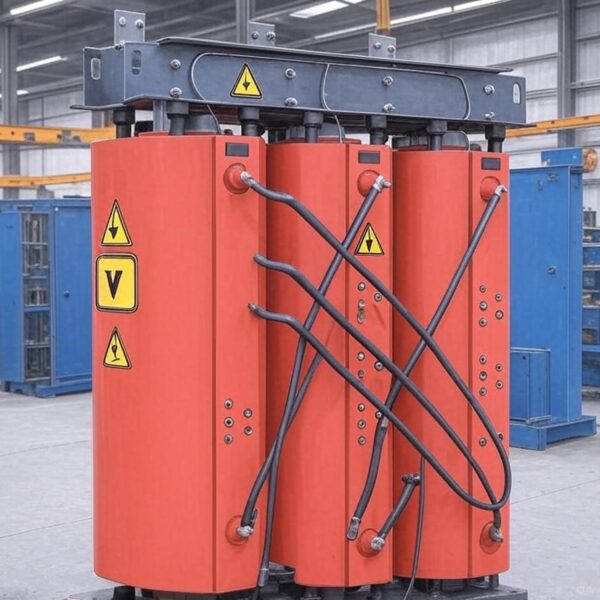
The manufacturing process of Cast Resin Dry Transformers includes the production of high-quality copper or aluminum windings, insulation treatment, vacuum casting of epoxy resin, and controlled curing processes to create a solid and compact insulation structure around the windings. The cast resin system improves thermal performance, reduces partial discharge, and increases resistance to short circuits and mechanical stress. CRT transformers are available in different voltage classes, power ratings, and configurations to meet various requirements in power distribution networks.
Cast Resin Dry Transformers are commonly used in industrial plants, renewable energy projects, commercial buildings, hospitals, airports, data centers, mining facilities, and urban electrical networks. Their flame-resistant design, low noise operation, long service life, and minimal maintenance requirements make them a preferred choice for modern electrical systems. Commercial packaging usually includes protective wooden crates or strong export packaging to ensure safe transportation and handling during international shipment.