

 Arabic
shop
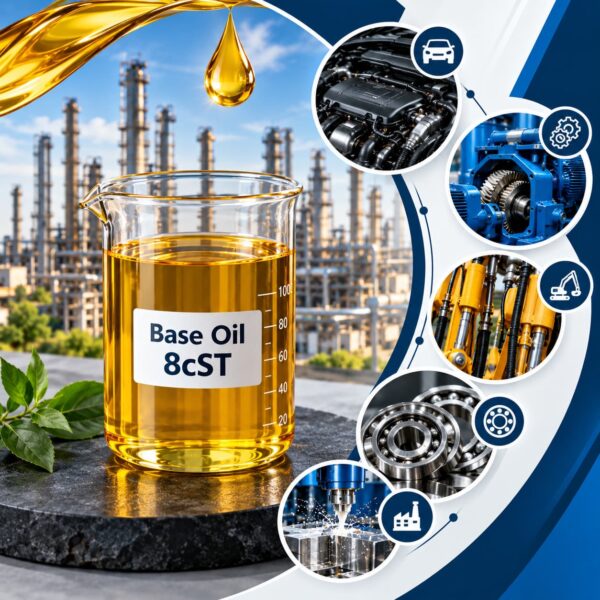
Base Oil 8cST
The production process of Base Oil 8cST includes atmospheric and vacuum distillation of crude oil, followed by advanced refining processes such as solvent extraction, hydrofinishing, and dewaxing to remove impurities, sulfur compounds, aromatic components, and unstable molecules. These refining stages improve color stability, thermal resistance, chemical purity, and overall performance. Depending on the refinery technology and quality requirements, Base Oil 8cST can be produced as Group I, Group II, or higher-quality base oil grades. Commercially available types include SN grades, light neutral base oils, 8 cSt industrial base oils, and specialty low-viscosity lubricant base stocks, each selected for applications such as engine oil blending, hydraulic fluids, compressor oils, metalworking fluids, process oils, and industrial lubricant production.
Base Oil 8cST offers many advantages including excellent lubricity, good low-temperature performance, stable viscosity characteristics, high compatibility with additives, and easy blending with other base oils. It is widely used in the production of automotive lubricants, motorcycle oils, gear oils, hydraulic oils, turbine oils, transformer oils, refrigeration oils, textile oils, rubber processing oils, and various industrial lubricant formulations. Due to its balanced properties and consistent quality, Base Oil 8cST is an important raw material for lubricant manufacturers and international buyers looking for reliable petroleum base stocks for wholesale export markets.
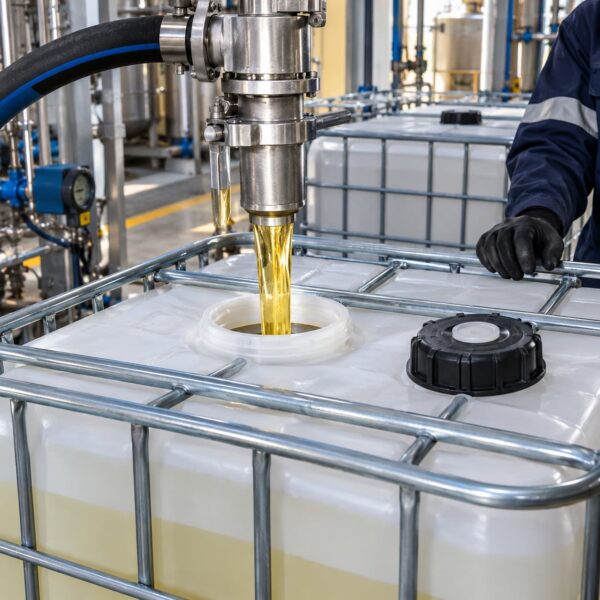
Base Oil SN150
Base Oil SN150 is mainly used as a blending component for producing engine oils, hydraulic oils, gear oils, compressor oils, turbine oils, metalworking fluids, process oils, and industrial lubricants. Due to its balanced viscosity and excellent solvency, it is especially suitable for manufacturing light and medium viscosity lubricants where good additive compatibility and thermal stability are required. Commercially available types of SN150 Base Oil can be supplied according to viscosity index, sulfur content, color, flash point, and refining level. Common grades include standard SN150, high viscosity index SN150, low sulfur SN150, and hydrotreated SN150, each designed for different applications such as automotive lubricants, industrial oils, rubber processing oils, and specialty lubricant formulations. SN150 can also be blended with other base oils such as SN500, SN600, Bright Stock, and synthetic base oils to achieve specific viscosity and performance requirements.
The main advantages of Base Oil SN150 include excellent blending ability, good solvency for additives, reliable oxidation stability, uniform molecular structure, low volatility, and cost-effective performance compared with synthetic alternatives. This base oil is an essential raw material for lubricant manufacturers requiring a dependable mineral base stock for international production and export applications. Export-quality SN150 Base Oil is supplied with complete technical specifications and quality control documentation to meet the requirements of customers in automotive, industrial, agricultural, marine, and manufacturing sectors. Its consistent quality, wide application range, and competitive performance make Base Oil SN150 one of the most demanded Group I base oils in global lubricant markets.
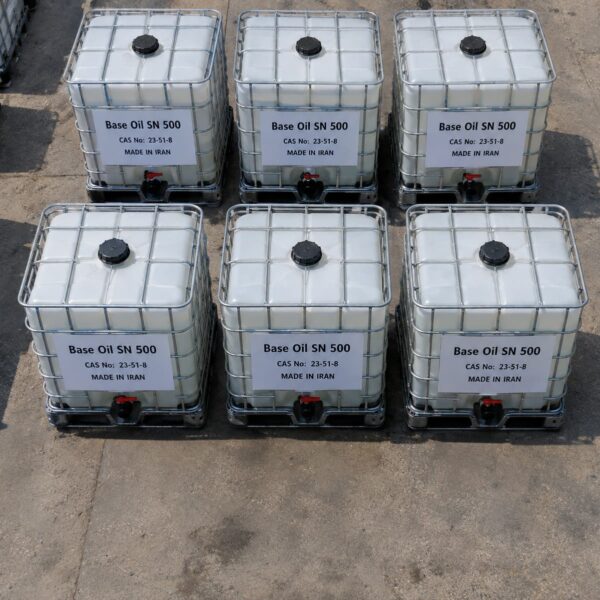
Base Oil SN500
Base Oil SN500 is available in different commercial grades according to viscosity index, sulfur content, color, and refining level, allowing manufacturers to select the appropriate grade for specific applications. Standard SN500 Base Oil is mainly used for manufacturing engine oils, heavy-duty diesel lubricants, industrial gear oils, hydraulic oils, compressor oils, marine lubricants, metalworking fluids, and grease production. Higher quality SN500 grades with improved color and oxidation resistance are suitable for premium lubricant formulations, while conventional grades are widely applied in general industrial lubricant production. The production process and quality control procedures ensure excellent resistance to thermal degradation, good additive solubility, low volatility, and reliable lubrication performance under demanding operating conditions.
The main advantages of Mineral Oil SN500 include high viscosity, excellent film-forming capability, good wear protection, strong oxidation resistance, and stable performance over a wide operating temperature range. Due to its superior refining characteristics, SN500 Base Oil is exported globally as a key raw material for lubricant blending industries. It is supplied according to international quality requirements and is commonly selected by lubricant manufacturers seeking a cost-effective and reliable Group I base oil solution. With its wide industrial applications, competitive performance, and compatibility with different additives, Mineral Oil SN500 remains one of the most commercially important base oils for the global petroleum and lubricant market.
Mineral Oil specifications vary according to grade and final application, and typical commercial parameters include kinematic viscosity, density, flash point, pour point, color, sulfur content, water content, and refining quality. Before purchasing, manufacturers should select the appropriate grade according to operating temperature, viscosity requirements, compatibility, regulatory requirements, and the specific formulation or production process. High-quality Mineral Oil can therefore serve as a dependable industrial raw material for lubricant manufacturers, rubber and plastic processors, chemical producers, textile industries, and other manufacturers requiring stable petroleum-based process fluids.
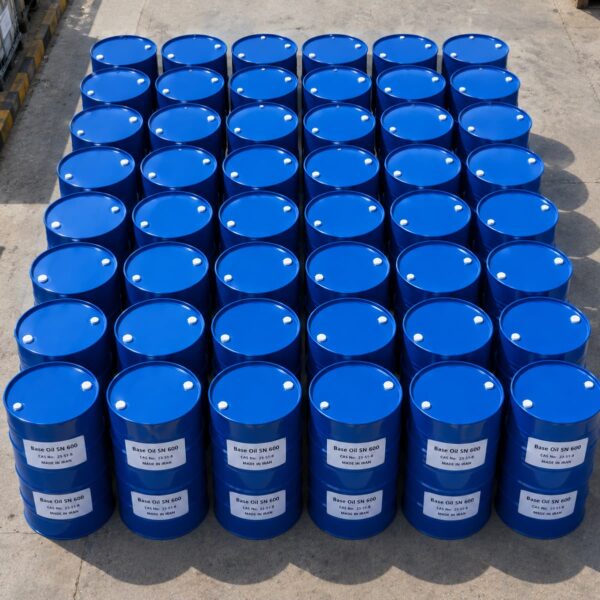
Base Oil SN600
Base Oil SN600 is available in different commercial grades depending on viscosity, sulfur content, viscosity index, and refinery specifications. The most common types include SN600 Low Sulfur Base Oil, SN600 Standard Grade Base Oil, and SN600 Premium Grade Base Oil, each designed for specific industrial applications. SN600 is mainly used as a blending component in the production of automotive lubricants, heavy-duty engine oils, gear oils, hydraulic oils, industrial lubricants, compressor oils, marine lubricants, and grease formulations. It is also used in the manufacturing of rubber processing oils, metalworking fluids, process oils, and specialty oil formulations where high viscosity and good solvency are required. The excellent compatibility of SN600 with additives allows lubricant producers to formulate products with improved wear protection, oxidation resistance, and long service life.
The main advantages of Base Oil SN600 include high viscosity performance, good low volatility, excellent additive response, strong solvency, stable chemical properties, and consistent quality for large-scale industrial production. This base oil is widely exported in bulk quantities to lubricant manufacturers, blending plants, and petroleum distributors around the world. Depending on customer requirements, SN600 Base Oil can be supplied according to international specifications and packed in bulk vessels, flexitanks, IBC tanks, or drums for global export. Its combination of technical performance, availability, and cost efficiency makes Base Oil SN600 one of the preferred choices for companies looking for a reliable heavy neutral base stock for lubricant and industrial oil production.
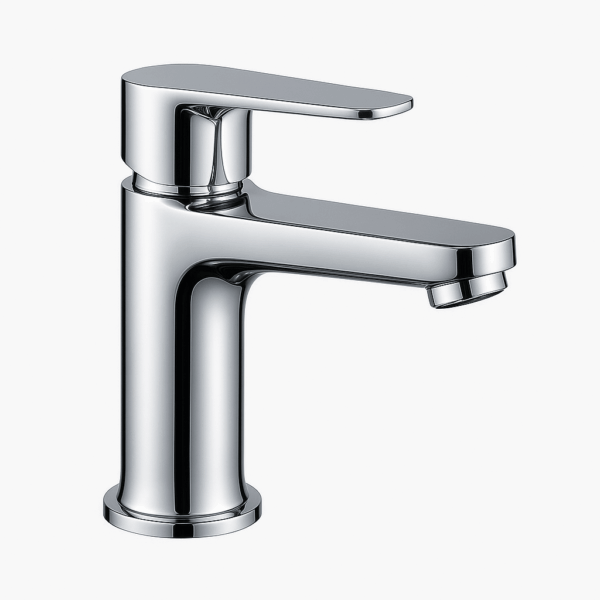
Basin Pillar Tap
This mounting style provides a stable and secure installation, as the tap is anchored directly to the sink. Basin-mounted taps are available in a range of styles and configurations, allowing for a customized look that complements the sink and overall bathroom design. This integration can create a cohesive and polished appearance, seamlessly blending with the sink’s design. Basin-mounted taps also simplify the installation process compared to some other types of mounts, as they are typically designed to fit standard sink configurations. With basin pillar taps, you have two taps – one for hot water and one for cold – and they are more common in traditional-style bathrooms or in bathrooms in older houses.

Bath Soap
Some qualities of good bath soap include:
- Bubbly: The soap’s ability to lather
- Cleansing: The soap’s ability to trap and wash away dirt from the skin
- Hardness: The firmness of the soap bar
- Conditioning: The amount of moisture left on the skin
- Creamy: The soap’s stability and creaminess
Bathing soap is one of the two soap variants that can be considered a calcium or potassium salt of a fatty acid. When we compare bathing soap with toilet soap, the fatty substance content in bathing soap usually takes a relatively lower percentage
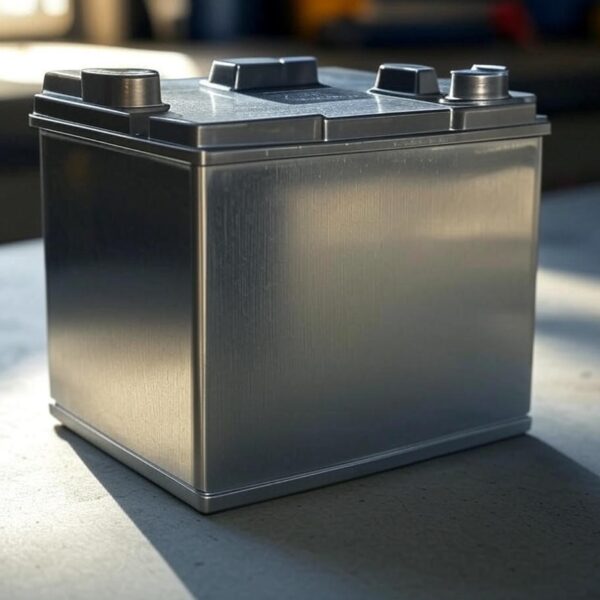
Batteries For Automotive
Most cars with an internal combustion engine use a lead acid battery. These can generally be classified into the:
Flooded battery: Also known as the wet cell battery, and requires regular topping up with distilled water.
Valve Regulated Lead Acid (VRLA) battery: The VRLA battery is a low-maintenance, sealed battery, which is why it’s also referred to as the Sealed Lead Acid (SLA) battery. It doesn’t need to be topped up and won’t spill if tipped over.
Car Batteries Come In Different Size groups from 24 to 78 and It’s essential to get the right battery size to ensure that it mounts securely in the car compartment and provides sufficient power.

Belted Power Cable
Manufactured using high-quality copper or aluminum conductors, Belted Power Cables feature multiple layers of impregnated paper or polymer insulation, wrapped in a common protective belt. The construction includes individual core insulation, a belted layer, metallic screening, and an outer serving of lead sheath or PVC/XLPE material for environmental resistance. They are available in single-core, twin-core, and three-core types, conforming to international standards such as IS 692, BS 6346, and IEC 60502. Applications include underground distribution, lighting systems, substations, and heavy industrial operations where moderate voltage transmission up to 11 kV is required.
The specification of Belted Power Cables provides excellent insulation resistance, thermal stability, and flexibility for ease of installation. They are produced through precision stranding, paper taping, and impregnation processes to ensure consistent quality and long service life. With advantages like low dielectric loss, cost-effectiveness, and reliable operation under varying load conditions, Belted Power Cables continue to be a trusted choice for stable electrical distribution in both urban and industrial environments.

Bentone (Clay) Grease
The primary components of grease are Lubricating Fluid , Thickeners , Additives. Bentone grease is a clay-based lubricant developed with the help of bentonite clay. This grease type is often called non-melt lubricant because it has no known dropping point. Its main properties are temperature change resistance, great wear and tear protection, exceptional water tolerance, good mechanical or shear stability, and impressive adhesiveness.
Bentone is a high-quality, extreme pressure (EP), clay thickened grease developed for the lubrication of industrial equipment operating under heavy loads and at high temperatures.
It is recommended for medium to large, low speed bearings operating at very high temperatures where conventional soap based greases typically fail to provide satisfactory lubrication and it’s typically used in the steel, manufacturing, construction, mining, ceramic industry , automotive , aerospace. Another advantage of Benton base grease is its resistance to water washout and moisture intrusion. This property makes it ideal for applications exposed to wet.
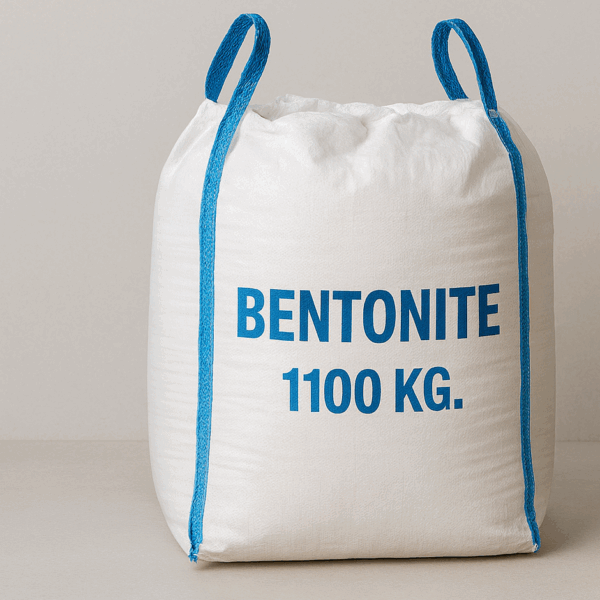
Bentonite
Bentonite offers excellent binding, thickening, suspension, and filtration control properties, making it an essential raw material for many industrial applications. Sodium Bentonite has high swelling capacity and is commonly used in drilling fluids, waterproofing systems, foundry casting, and civil engineering projects. Calcium Bentonite provides strong adsorption properties and is mainly used in agriculture, animal feed additives, cosmetics, and environmental applications. Activated Bentonite is widely used for purification, oil refining, and removing impurities due to its high surface area and adsorption performance.
Commercial Bentonite is supplied in different forms including fine powder, granules, pellets, and customized industrial grades. In the oil and gas industry, Bentonite is used as a drilling mud component to improve lubrication, control fluid loss, and stabilize boreholes. In construction, it is applied for waterproofing membranes, geosynthetic clay liners, and foundation sealing. Bentonite is also used in foundry industries as a molding sand binder, in ceramic production, paints, detergents, fertilizers, and wastewater treatment due to its excellent rheological and chemical properties. Reliable Bentonite suppliers can provide customized grades according to industrial specifications, packaging requirements, and international trade standards.

Benzene
Benzene is mainly used as a feedstock for producing styrene monomer, phenol, cyclohexane, aniline, alkylbenzene, maleic anhydride, and various chemical intermediates. It plays an essential role in the manufacturing of plastics such as polystyrene, engineering plastics, epoxy resins, nylon, detergents, synthetic rubber, and coatings. Its excellent solvency characteristics also make it suitable for specific industrial applications where aromatic solvents are required. Commercial Benzene is supplied in bulk quantities through tankers, ISO tanks, and drums according to customer requirements and international transportation standards.
The main features of Benzene include high purity, excellent chemical reactivity, consistent quality, and compatibility with various petrochemical production processes. Industrial users select Benzene based on purity level, moisture content, sulfur content, and other technical parameters. Available commercial types include Pure Benzene, Industrial Grade Benzene, Chemical Grade Benzene, and High Purity Benzene for pharmaceutical and laboratory applications. Reliable sourcing of Benzene requires cooperation with experienced suppliers who can provide quality documentation, safety data sheets (SDS), and stable international supply solutions.

Bias Truck & Trailer Tires
The production process of bias tires involves overlapping plies of nylon or polyester cords at alternating angles, reinforced by thick rubber layers that give superior sidewall protection and stability under load. Available in a range of types and sizes—from 7.50-16 to 12.00-24—they suit light, medium, and heavy trucks as well as trailer axles. Their load capacities vary from 1,500 kg to over 5,000 kg per tire, depending on design and ply rating. Bias tires are widely used in mining, logging, construction, and long-haul trailer operations where rugged reliability outweighs high-speed performance.